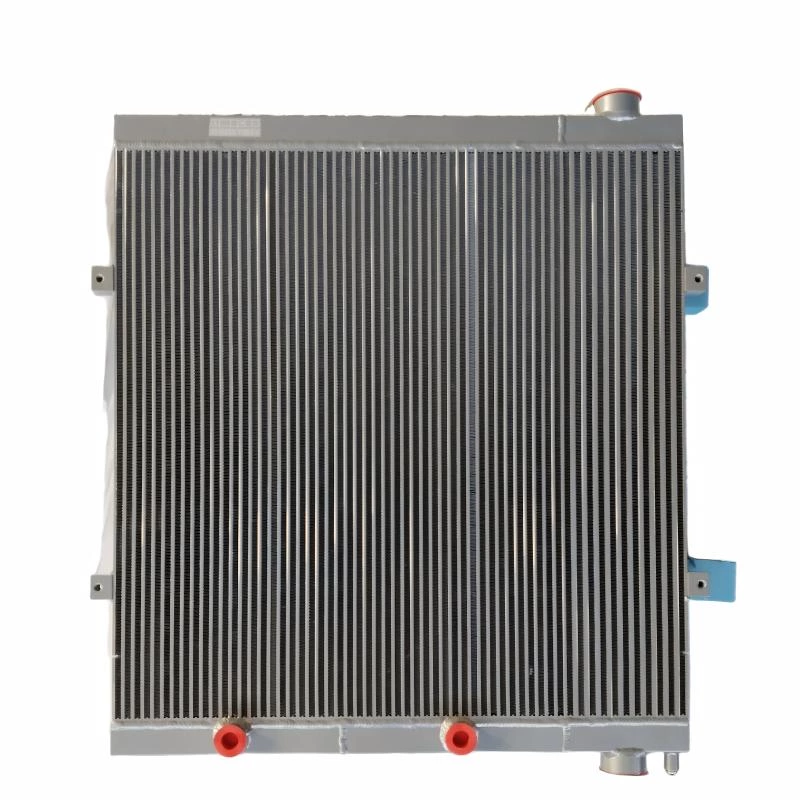
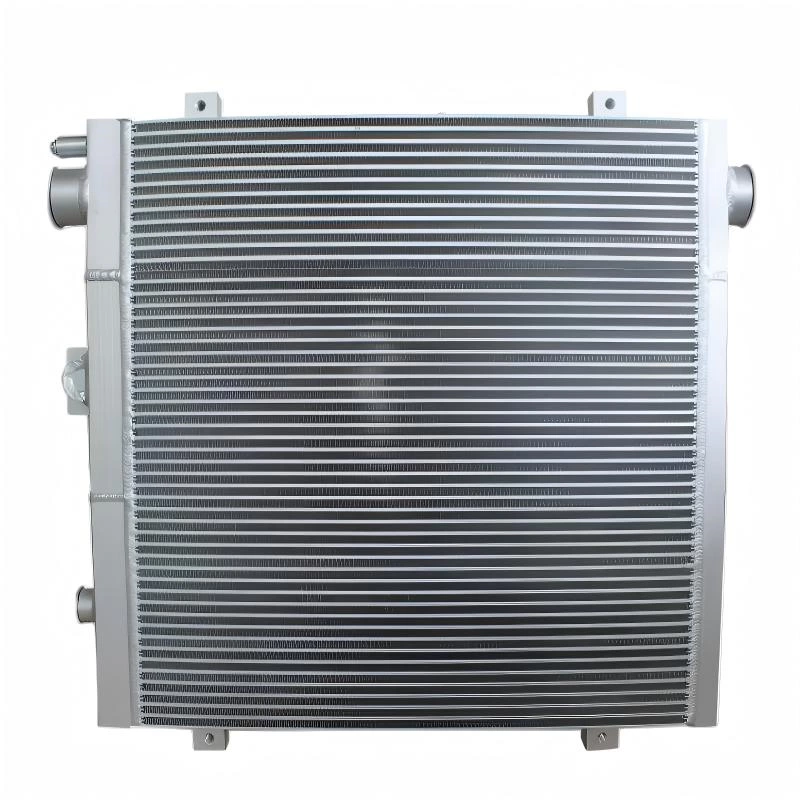
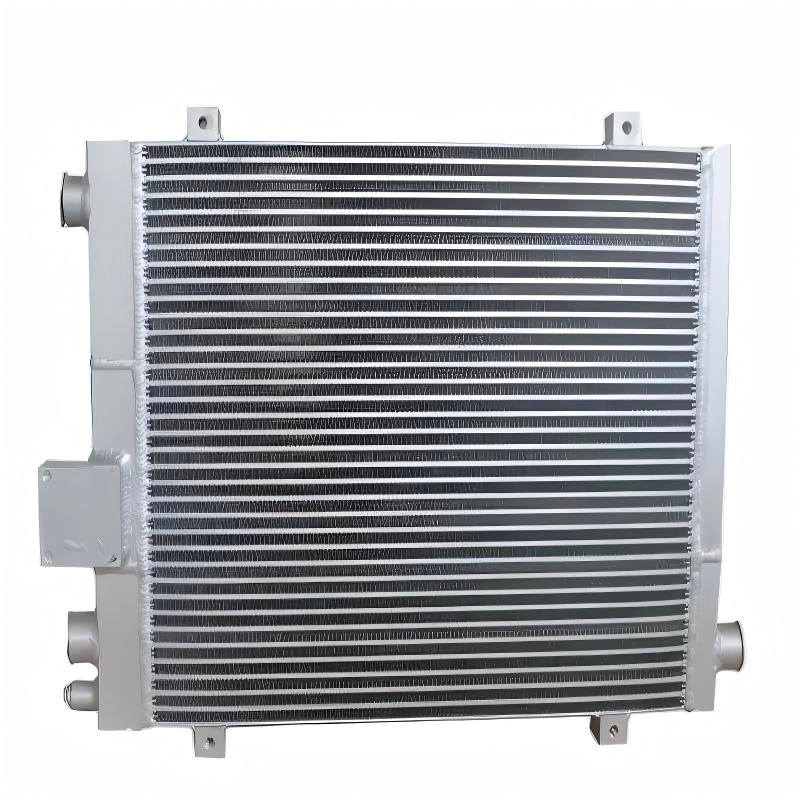
Bad Radiator Symptoms: How to Tell If Your Radiator Is Bad
Bad radiator symptoms often include overheating, coolant leaks, steam under the hood, and unstable temperature readings. If you are wondering how to tell if your radiator is bad, these warning signs usually indicate problems with heat dissipation or coolant flow.
The radiator is a critical part of the engine cooling system. When it fails, engine temperature can rise quickly, leading to reduced performance or even serious engine damage. Recognizing early symptoms can help you avoid costly repairs.
Quick Answer: Signs of a Bad Radiator
- Engine overheating frequently
- Coolant leaking under the vehicle
- Low coolant levels without visible cause
- Steam coming from under the hood
- Fluctuating temperature gauge
- Rust or sludge inside the radiator
Other guidelines related to the repair of cooling system failures
How to Tell If Your Radiator Is Bad
If your radiator is failing or losing efficiency, the vehicle may show one or more noticeable symptoms. Some signs are directly related to the radiator itself, while others may also be linked to problems elsewhere in the cooling system.
- Your vehicle is running hot or overheating
- A fluctuating temperature gauge
- Steam coming from under the hood
- White exhaust fumes
- Low coolant levels
- Coolant leaking under the vehicle
- Reduced fuel efficiency
Common Bad Radiator Symptoms
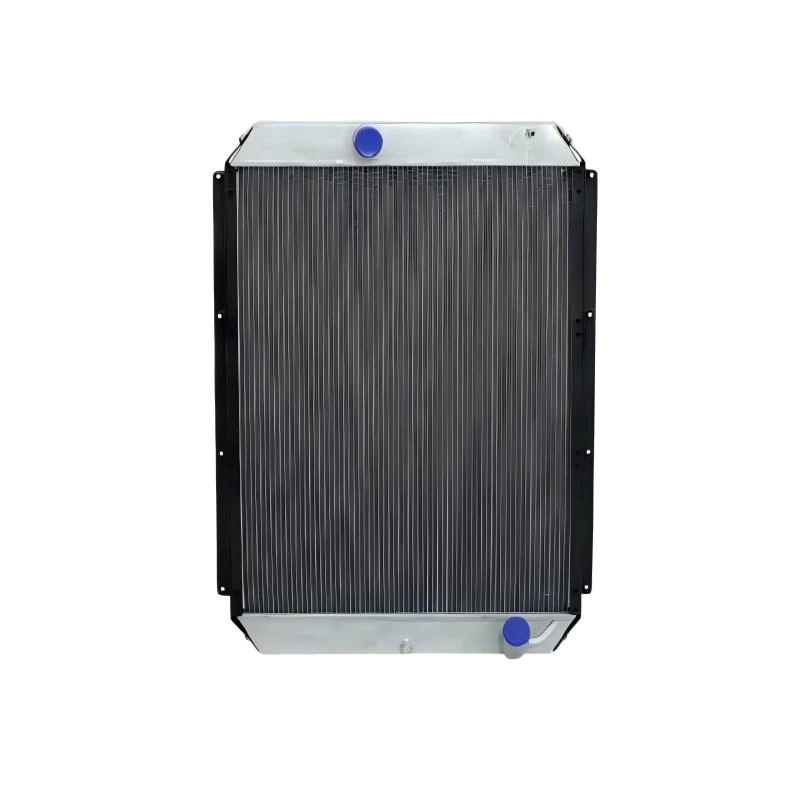
1. Engine Overheating
One of the most obvious bad radiator symptoms is engine overheating. If the radiator cannot dissipate heat effectively, engine temperature will rise quickly during driving or idling.
2. Coolant Leaks
Coolant leaking under the vehicle is a clear sign of radiator damage or loose connections. Leaks reduce cooling efficiency and may lead to overheating.
3. Low Coolant Levels
If you frequently need to refill coolant, it may indicate hidden leaks or internal radiator problems.
4. Steam from Under the Hood
Steam usually appears when coolant is overheating or escaping from the system, often due to radiator failure.
5. Fluctuating Temperature Gauge
Unstable temperature readings may indicate inconsistent coolant flow or partial blockage inside the radiator.
6. White Exhaust Smoke
White smoke may indicate coolant entering the combustion chamber. While not always caused by the radiator, it often appears alongside cooling system issues.
7. Reduced Fuel Efficiency
An overheating engine can affect combustion efficiency, leading to increased fuel consumption.
Can You Drive With a Bad Radiator?
Driving with a bad radiator is not recommended. Even a minor issue can quickly escalate into serious engine problems because the radiator is responsible for keeping engine temperature under control.
What Happens If You Keep Driving?
If the radiator is not working properly, heat cannot be dissipated effectively. This can lead to:
- Engine overheating
- Coolant loss or boiling
- Warped engine components
- Head gasket failure
- Complete engine damage
In severe cases, continuing to drive can result in extremely costly repairs or even total engine failure.
Is It Ever Safe to Drive Short Distances?
In some situations, you may be able to drive a very short distance (such as to a repair shop), but only if:
- The temperature gauge stays within a safe range
- There are no visible leaks
- Steam is not coming from under the hood
Even then, it is important to drive cautiously and stop immediately if the engine begins to overheat.
What Should You Do Instead?
- Stop driving as soon as possible if overheating occurs
- Allow the engine to cool before checking coolant levels
- Inspect for leaks or visible damage
- Seek professional inspection and repair
Bottom Line
A bad radiator can quickly turn into a major mechanical failure. If you notice symptoms like overheating, coolant leaks, or steam, it’s best to avoid driving and fix the issue immediately to prevent further damage.
| Radiator Replacement Cost Overview | Estimated Cost |
|---|---|
| Typical Radiator Replacement Cost | $400–$1,000 |
| Parts Cost | $200–$600 |
| Labor Cost | $200–$400 |
Factors That Affect Radiator Replacement Cost
| Factor | Impact on Cost |
|---|---|
| Vehicle Type | Cars, SUVs, trucks, and luxury vehicles have different radiator sizes and installation complexity. |
| Radiator Quality | OEM radiators usually cost more than aftermarket options. |
| Labor Rates | Repair shop rates and installation difficulty can increase total labor cost. |
Quick Tip
Minor leaks may sometimes be repaired, but cracked or heavily clogged radiators are usually better replaced for long-term reliability.
Fixing a bad radiator early is usually much cheaper than repairing engine damage caused by overheating.
Other Cooling System Problems That Cause Similar Symptoms
Some symptoms that seem like radiator failure may also be caused by other cooling system components. This is why a full inspection is often necessary when diagnosing engine temperature problems.
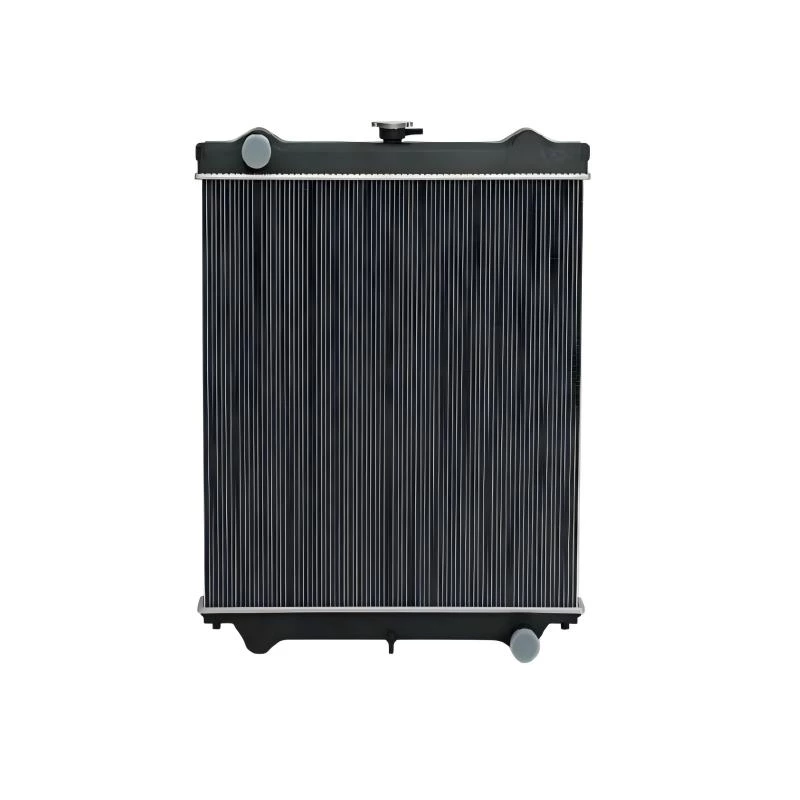
Radiator Leaks
Leaks may occur in the radiator core, end tanks, or hose connections. Common signs include coolant puddles under the vehicle and continuously low coolant levels.
Air in the Cooling System
Air trapped in the system can reduce coolant circulation and cause unstable engine temperature readings.
Thermostat Issues
A faulty thermostat may cause overheating or irregular temperature changes, similar to radiator problems.
Water Pump Failure
If the water pump fails to circulate coolant properly, the radiator cannot perform effectively, leading to overheating.
Low Coolant
Low coolant can trigger overheating and poor heating performance, often caused by leaks or evaporation over time.
When to Have the Radiator Checked
If you notice one or more bad radiator symptoms, it is important to have the cooling system checked as soon as possible. Continuing to drive with overheating, coolant loss, or unstable temperature can lead to severe engine damage.
A professional inspection can help determine whether the radiator is leaking, clogged, or damaged, or whether another component is causing similar symptoms.
Choosing a Reliable Radiator Supplier
If your radiator needs replacement, choosing a reliable manufacturer is essential for long-term performance and durability.
High-quality radiators offer better heat transfer efficiency, leak resistance, and longer service life, especially in demanding environments such as construction machinery and industrial equipment.
We provide durable radiator solutions designed for heavy-duty applications, helping improve cooling performance and reduce maintenance costs.
Conclusion
Bad radiator symptoms often include overheating, coolant leaks, steam under the hood, fluctuating temperature readings, and low coolant levels. Recognizing these warning signs early can help prevent serious engine damage.
Regular inspection and timely replacement of faulty components are essential to keep your vehicle running safely and efficiently.