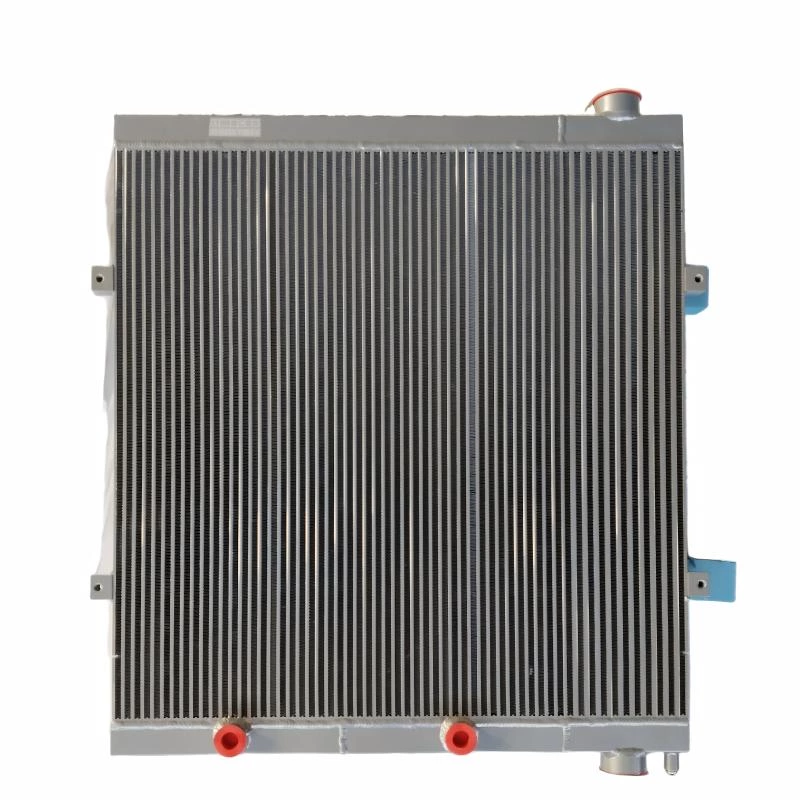
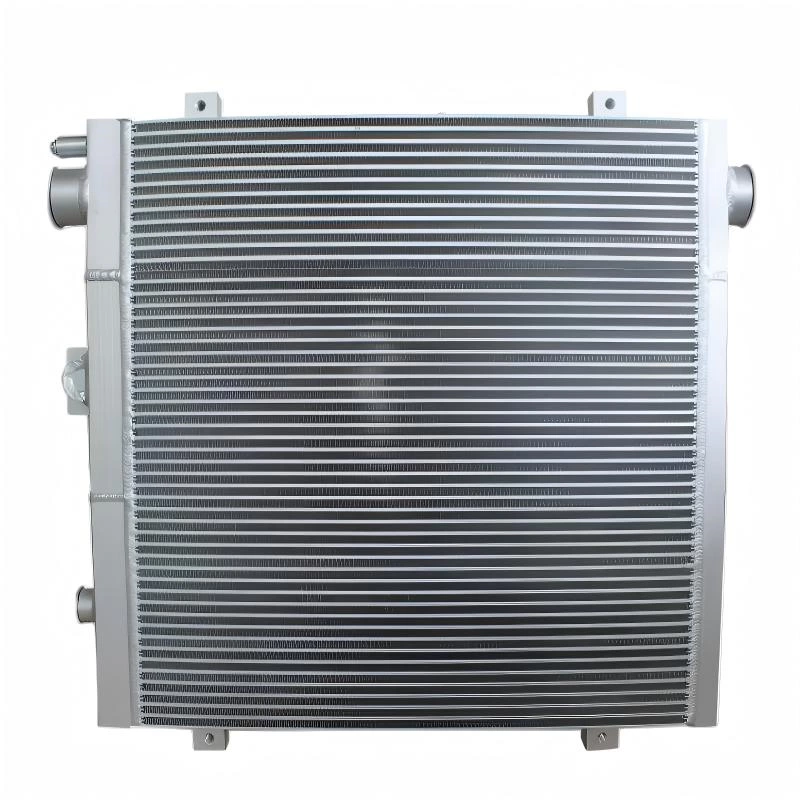
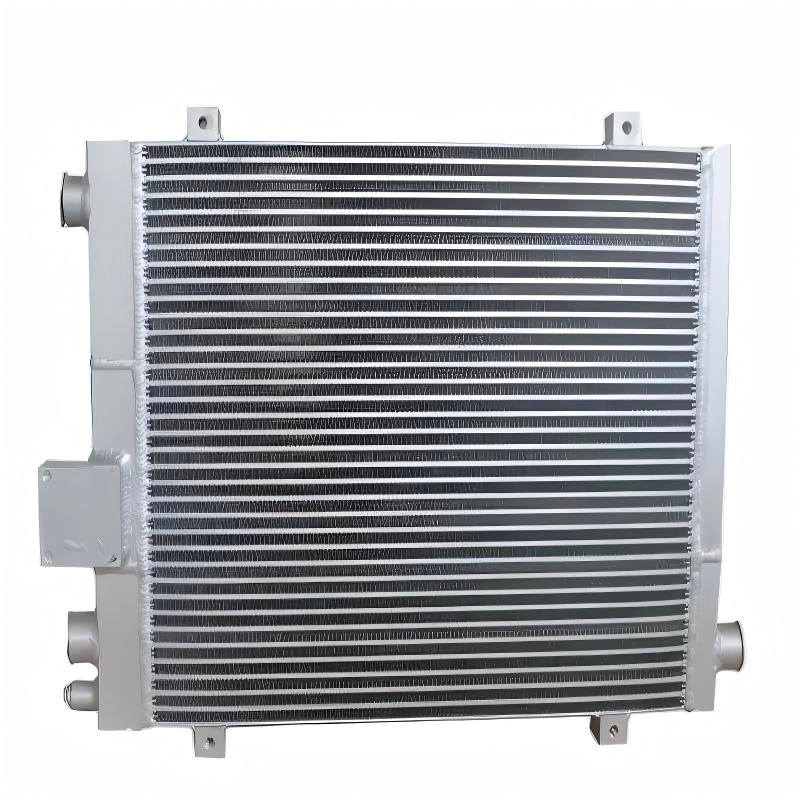
What Does a Car Radiator Do? Functions, Common Problems, and Solutions
The car radiator is one of the most important parts of the engine cooling system. Its main function is to remove heat from the engine coolant and help keep the engine operating within a safe temperature range. Without a properly working car radiator, engine temperature can rise too quickly and lead to overheating, reduced performance, and possible engine damage.
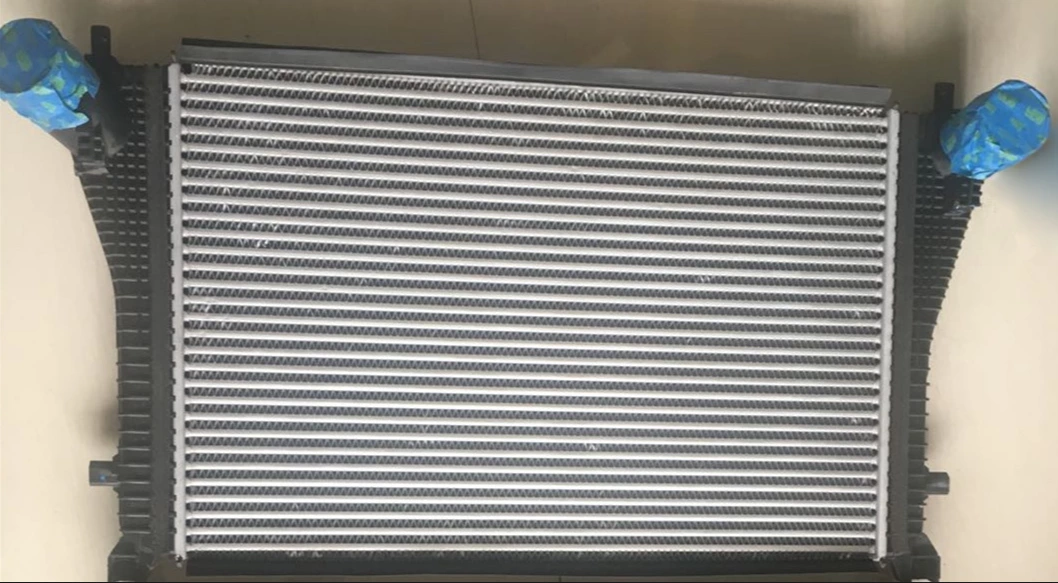
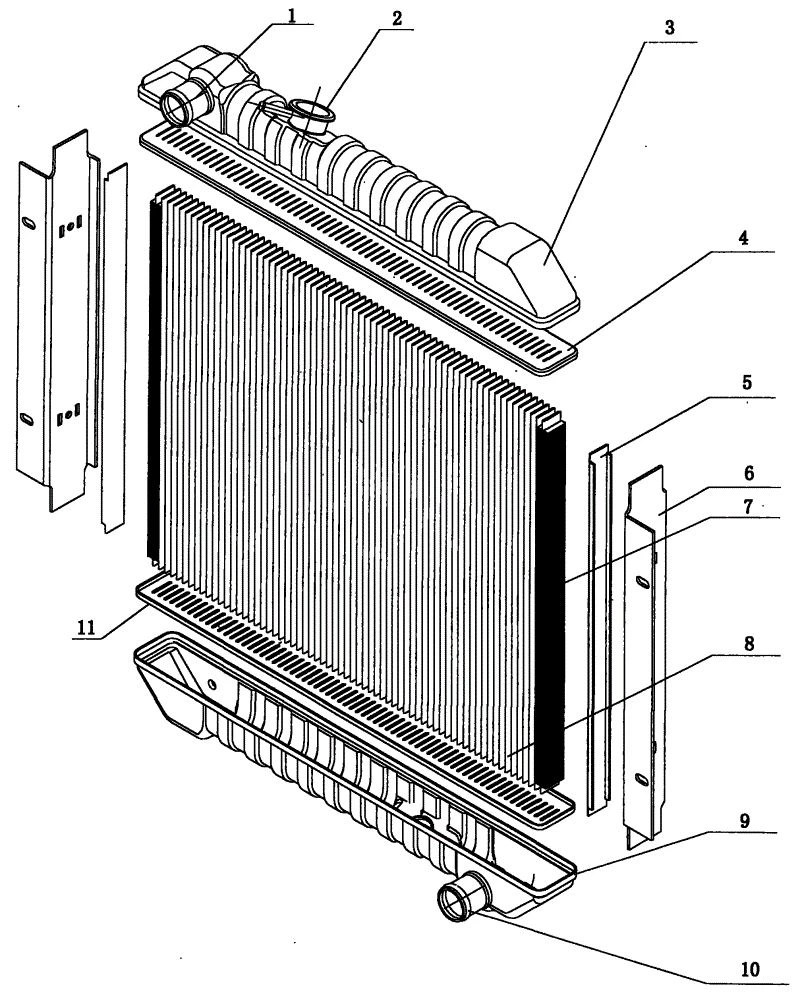
In a water-cooled automotive system, coolant absorbs heat from the engine and then flows to the radiator. Inside the radiator, this heat is released to the surrounding air through the radiator core, tubes, and fins. As air passes through the radiator, the coolant temperature drops before it circulates back through the engine.
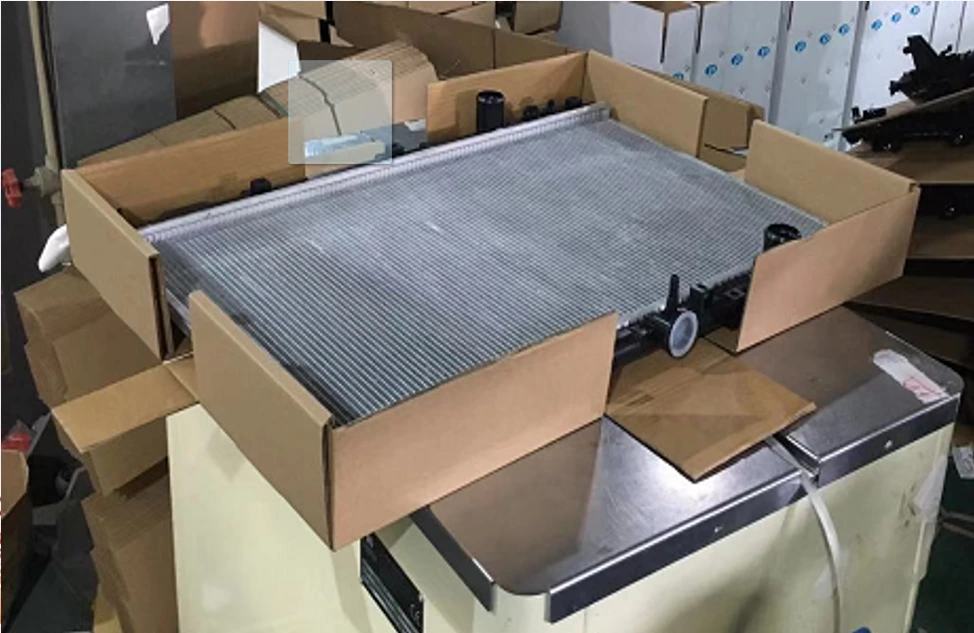
What Does a Car Radiator Do?
The main job of a car radiator is to cool the hot coolant that comes from the engine. During engine operation, combustion generates a large amount of heat. If this heat is not controlled, the engine may overheat and suffer serious damage. The radiator helps manage this heat by transferring it from the coolant to the outside air.
In simple terms, the radiator works as a heat exchanger. It removes unwanted heat from the cooling system and helps maintain stable engine temperature during driving.
Main Functions of a Car Radiator
Preventing engine overheating: The radiator helps reduce coolant temperature before it returns to the engine. This protects engine components from excessive heat.
Maintaining stable engine temperature: A car radiator helps the engine stay within an efficient operating temperature range, which supports normal combustion and reliable performance.
Protecting key engine parts: High temperatures can damage parts such as the cylinder head, valves, seals, and gaskets. The radiator helps reduce this risk by improving heat dissipation.
Supporting cooling system efficiency: The radiator works together with the water pump, thermostat, cooling fan, and coolant passages to maintain consistent cooling performance.
Why Is the Car Radiator Important?
The radiator is important because the engine produces continuous heat whenever the vehicle is running. If the cooling system cannot remove that heat effectively, coolant temperature will continue to rise. This can lead to overheating, loss of engine efficiency, and increased wear on critical components.
A well-functioning car radiator helps improve engine reliability, supports long-term vehicle performance, and reduces the risk of costly repairs caused by excessive temperature.
How the Car Radiator Works in the Cooling System
The radiator does not work alone. It is part of a complete cooling system. Coolant absorbs heat from the engine and is then pumped into the radiator. As the coolant passes through the radiator tubes, heat is transferred through the metal surfaces and fins. Airflow from vehicle movement and the cooling fan carries this heat away. The cooled coolant then flows back into the engine to repeat the cycle.
Because of this continuous process, the radiator plays a central role in keeping the cooling system effective under normal driving conditions.
What Happens If a Car Radiator Fails?
A car radiator is responsible for removing excess heat from the engine cooling system. When the radiator cannot dissipate heat effectively due to leaks, internal blockages, corrosion, or physical damage, engine temperatures can rise quickly.
You can refer to these several articles for details.
Heating failure of the radiator:https://www.leakproofheatexchanger.com/news/air-compressor-overheating-causes-diagnosis-and-solutions
Common faults of radiators:https://www.leakproofheatexchanger.com/news/car-cooling-system-troubleshooting-2
In the early stages, drivers may notice higher coolant temperatures, reduced cooling efficiency, or occasional overheating during heavy traffic and hot weather conditions. If the problem is not addressed, the cooling system may struggle to maintain a stable operating temperature, placing additional stress on the engine and related components.
Severe radiator failure can lead to coolant loss, repeated overheating, and potential damage to engine parts such as the head gasket, water pump, or thermostat. In extreme cases, prolonged overheating may result in costly engine repairs. For this reason, any signs of radiator malfunction should be inspected and repaired as early as possible.
Conclusion
The main function of a car radiator is to remove heat from engine coolant and help prevent overheating. As a key part of the vehicle cooling system, it supports stable engine temperature, protects major engine components, and improves overall operating reliability.
A properly working car radiator is essential for maintaining cooling performance and helping the engine operate safely and efficiently over the long term.