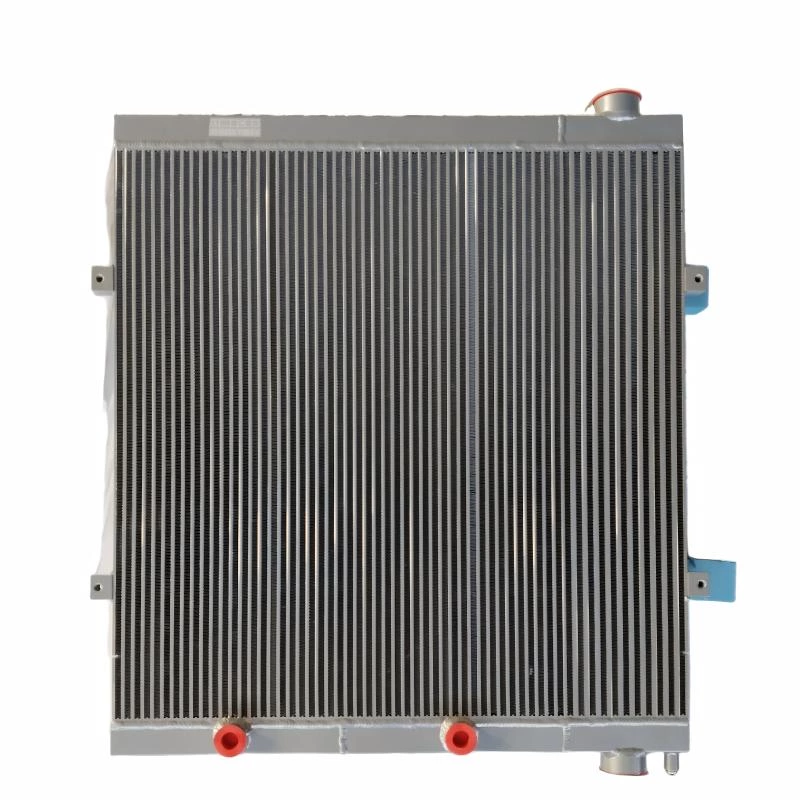
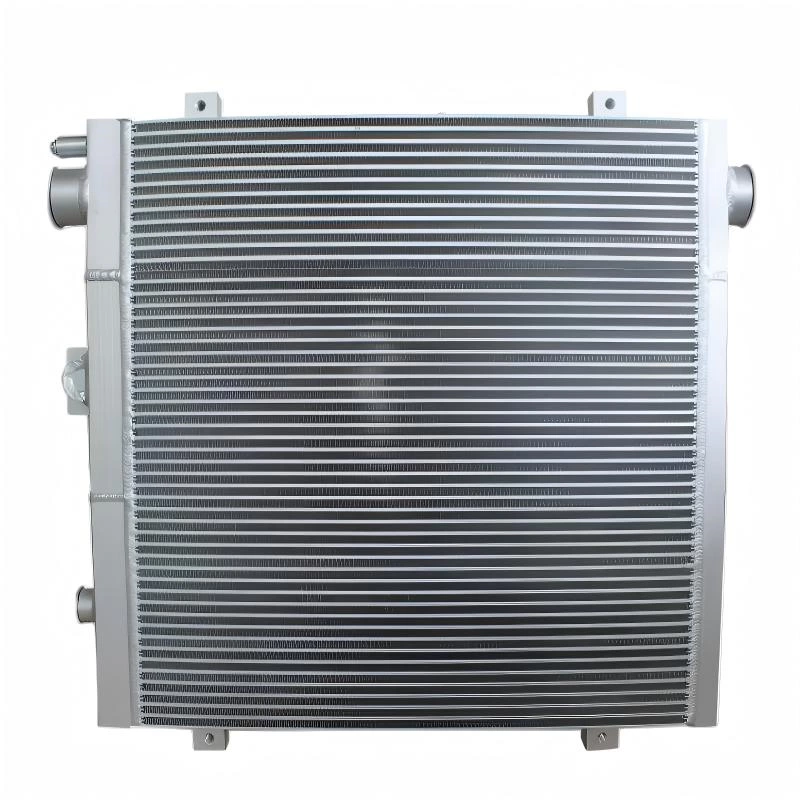
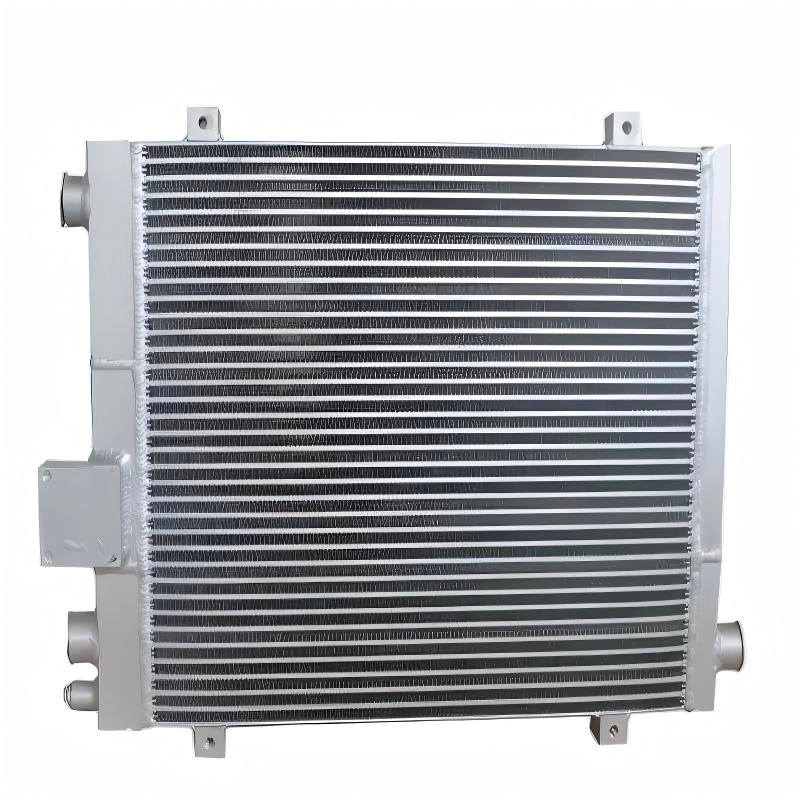
Car Intercooler: What It Does and Which Type Is Better
A car intercooler is an important cooling component used in turbocharged and supercharged engines. Its main function is to cool compressed intake air before it enters the engine. By reducing intake air temperature, an intercooler helps improve air density, combustion efficiency, and overall engine performance.
When a turbocharger compresses air, the air temperature rises significantly. Hot compressed air contains less oxygen, which can reduce combustion efficiency and engine output. An intercooler solves this problem by cooling the compressed air before it reaches the combustion chamber, allowing the engine to operate more efficiently under boost conditions.
Modern car intercoolers are widely used in passenger vehicles, performance cars, racing applications, and commercial automotive systems where stable thermal management and reliable turbo performance are important.
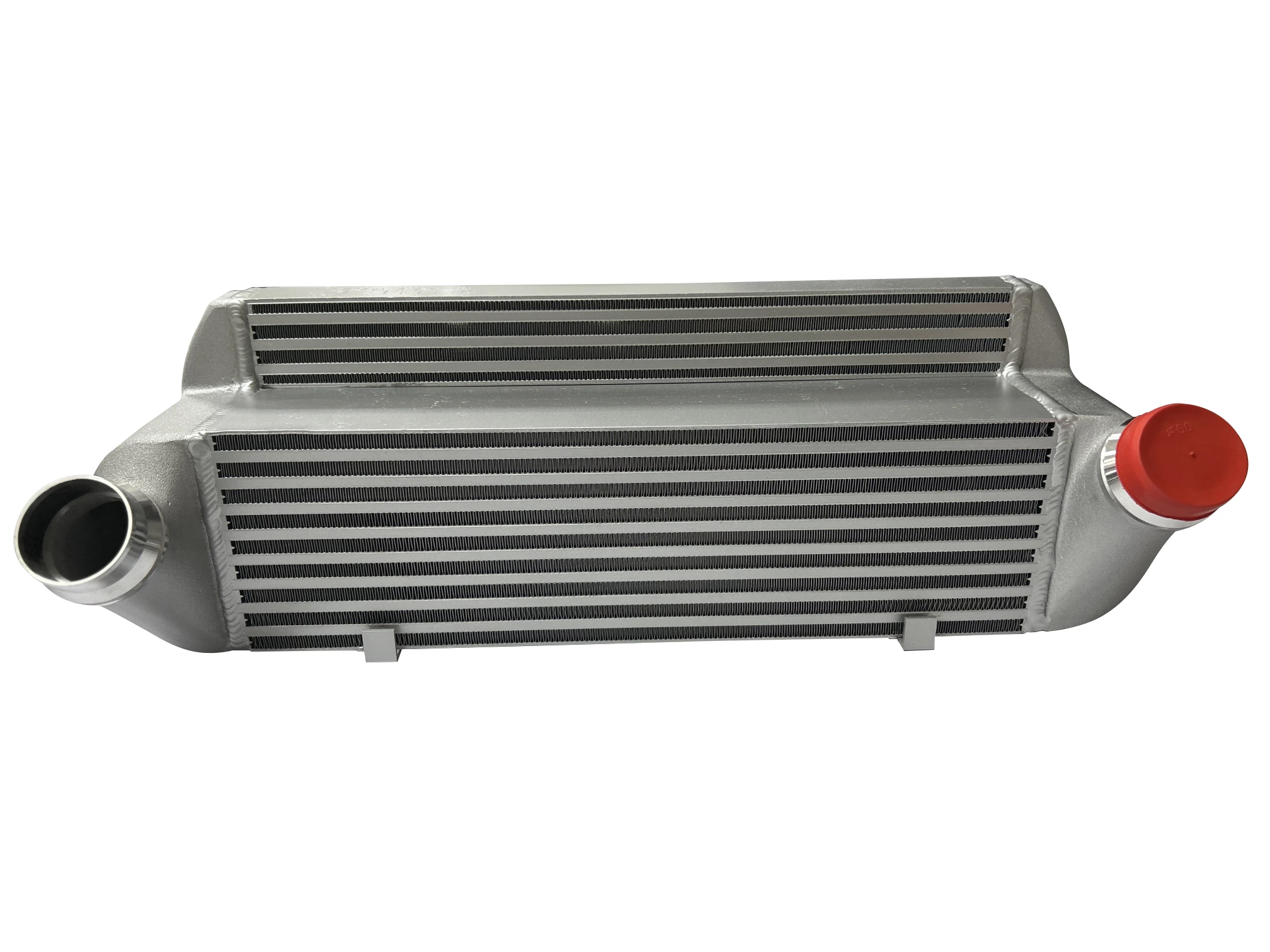
What Is an Intercooler in a Car?
An intercooler is a heat exchanger designed to remove heat from compressed intake air generated by a turbocharger or supercharger. It is typically installed between the turbocharger and the intake manifold.
As compressed air passes through the intercooler core, heat is transferred away before entering the engine. Cooler air is denser and contains more oxygen, which improves combustion efficiency.
In turbocharged vehicles, intercoolers help maintain stable boost pressure, reduce thermal stress, and support consistent performance during high-load conditions.
How Does an Intercooler Work in a Turbocharged Engine?
In a turbocharged engine, the turbocharger compresses incoming air to increase oxygen intake. However, this process also generates heat, reducing air density and combustion efficiency.
The intercooler passes hot compressed air through a cooling core, where heat is removed via ambient airflow or a liquid cooling circuit, depending on the design.
This cooling process lowers intake air temperature, improving combustion stability and overall engine efficiency.
During repeated acceleration or high-load driving, intake temperatures rise quickly. A well-designed intercooler helps reduce heat soak and maintain airflow efficiency.
Benefits of a Car Intercooler
A properly designed car intercooler does more than simply cool intake air. In turbocharged engines, intake temperature directly affects combustion stability, throttle response, and overall thermal efficiency. Under higher boost pressure or extended driving conditions, intercooler performance becomes even more important for maintaining consistent engine output.
Without effective charge air cooling, compressed air from the turbocharger can become excessively hot, especially during repeated acceleration, towing, or high-load driving. Higher intake temperatures reduce air density and can make the engine more prone to power loss and heat soak.
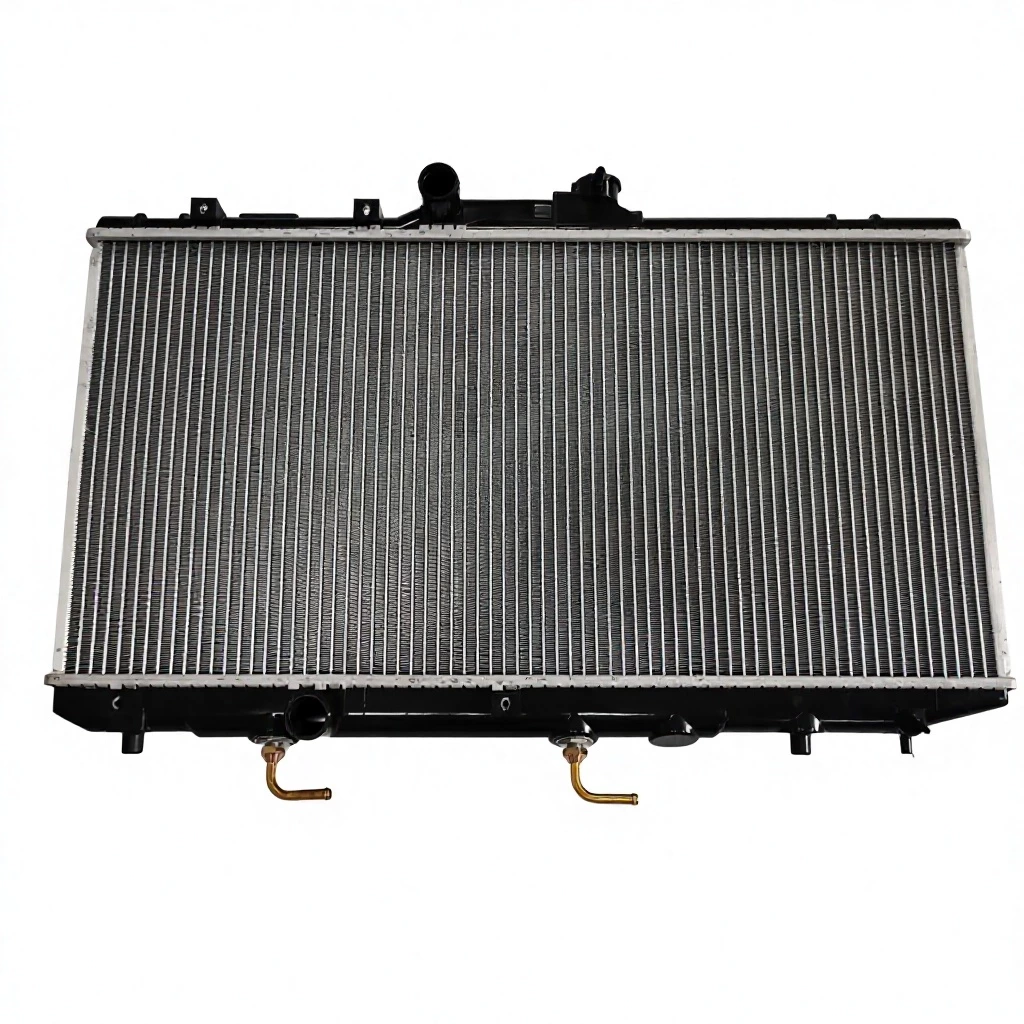
Improved Intake Air Density
One of the biggest advantages of an intercooler is its ability to lower intake air temperature before the air enters the combustion chamber. Cooler air is denser and contains more oxygen, allowing the engine to achieve more efficient combustion under boost conditions.
In real-world driving, this helps turbocharged engines maintain smoother and more stable power delivery, especially during highway acceleration or heavy-load operation.
More Stable Turbocharger Performance
Turbo systems generate significant heat during compression. As intake temperatures rise, turbo efficiency can gradually decrease, particularly in hot climates or under continuous boost.
A high-efficiency intercooler helps control charge air temperature and maintain more stable boost performance. This is especially important for performance vehicles, modified turbo systems, and commercial applications that operate under sustained load.
Reduced Heat Soak Under Load
Heat soak is a common issue in turbocharged vehicles, especially during stop-and-go traffic, repeated acceleration, or aggressive driving. Once heat builds up inside the intercooler and intake system, cooling efficiency starts to drop and engine response may become less consistent.
A properly engineered intercooler core improves heat dissipation and helps the system recover temperature more quickly between boost cycles.
Better Reliability in Demanding Conditions
Stable intake temperatures also help reduce thermal stress on surrounding engine components. In many automotive cooling systems, consistent charge air cooling contributes to more reliable long-term operation, particularly in high-temperature environments or heavy-duty driving conditions.
For OEM and performance applications, intercooler design is not only about peak cooling efficiency. Airflow balance, pressure drop, core structure, and installation layout all affect real operating performance.
Support for Performance Upgrades
Upgraded intercoolers are commonly used in tuned or modified vehicles where higher boost pressure generates additional heat. Compared with standard factory systems, larger aluminum intercooler cores can improve cooling capacity and help maintain more stable intake temperatures during performance driving.
In many turbocharged applications, a properly matched intercooler system can improve throttle consistency, reduce temperature-related power loss, and support more reliable engine performance over extended driving periods.
Air-Cooled vs Water-Cooled Intercoolers
| Type | Advantages | Limitations | Applications |
|---|---|---|---|
| Air-Cooled | Simple, reliable, low maintenance | Requires strong airflow and more space | Passenger vehicles, daily driving |
| Water-Cooled | Compact, efficient in limited space | More complex system | Performance and racing vehicles |
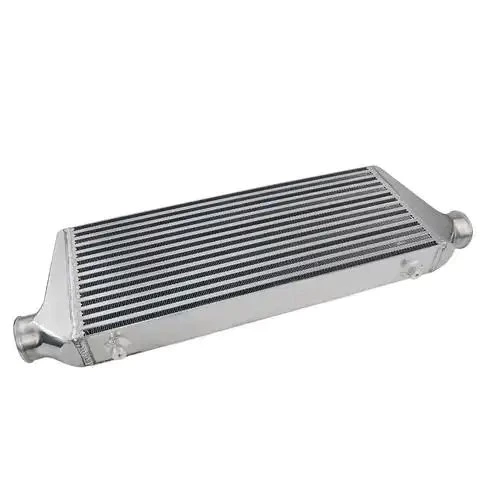
Air-Cooled Intercoolers
Air-cooled intercoolers rely on ambient airflow to remove heat. As the vehicle moves, outside air passes through the core and carries heat away.
They are widely used due to their simplicity, reliability, and cost-effectiveness.
Water-Cooled Intercoolers
Water-cooled intercoolers use a liquid cooling circuit to absorb and transfer heat away from compressed air.
This design is suitable for compact layouts and high-performance applications.
Common Signs of a Bad Intercooler
- Loss of engine power
- Reduced boost pressure
- High intake air temperature
- Turbo lag
- Oil leaks around connections
- Poor throttle response
- Excessive engine heat
If these symptoms appear, inspect the intercooler for leaks, blockages, or internal damage.
Does an Intercooler Increase Horsepower?
An intercooler does not directly create horsepower, but it helps maintain stable and efficient power output.
By lowering intake air temperature, it improves air density and combustion efficiency, supporting consistent performance under boost.
Custom OEM Car Intercooler Solutions
We provide OEM aluminum intercoolers for turbocharged vehicles, aftermarket upgrades, and custom cooling systems.
Customization Options
- Custom core sizes
- OEM and aftermarket solutions
- Bar-and-plate designs
- Custom inlet and outlet layouts
- Performance upgrades
- Drawing-based manufacturing
Our team supports applications across passenger vehicles, racing, and industrial systems.
FAQ
What does an intercooler do?
It cools compressed intake air, increasing oxygen density and improving combustion efficiency.
How does it improve performance?
By reducing intake temperature and stabilizing combustion under boost.
Does it increase horsepower?
It supports consistent power output rather than directly increasing horsepower.
Air vs water intercooler?
Air uses airflow; water uses a cooling circuit and is more compact.
Can a bad intercooler affect performance?
Yes, it can reduce boost pressure and increase intake temperature.
Do all turbo cars need one?
Most do, as compressed air requires cooling for efficient operation.
Need Custom Intercooler Solutions?
We provide OEM aluminum intercoolers and custom cooling solutions with flexible design options for global applications.