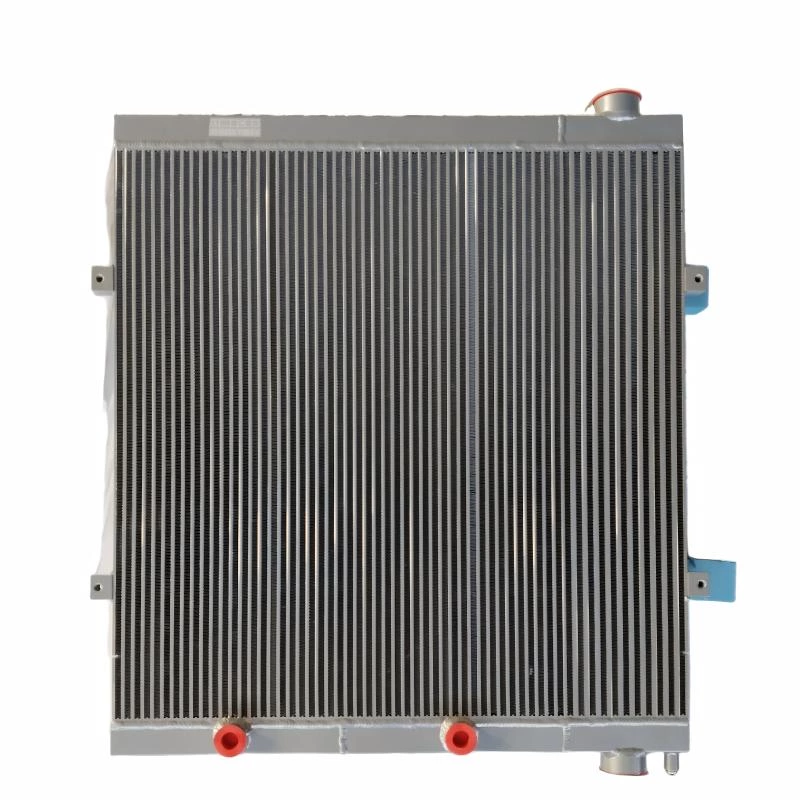
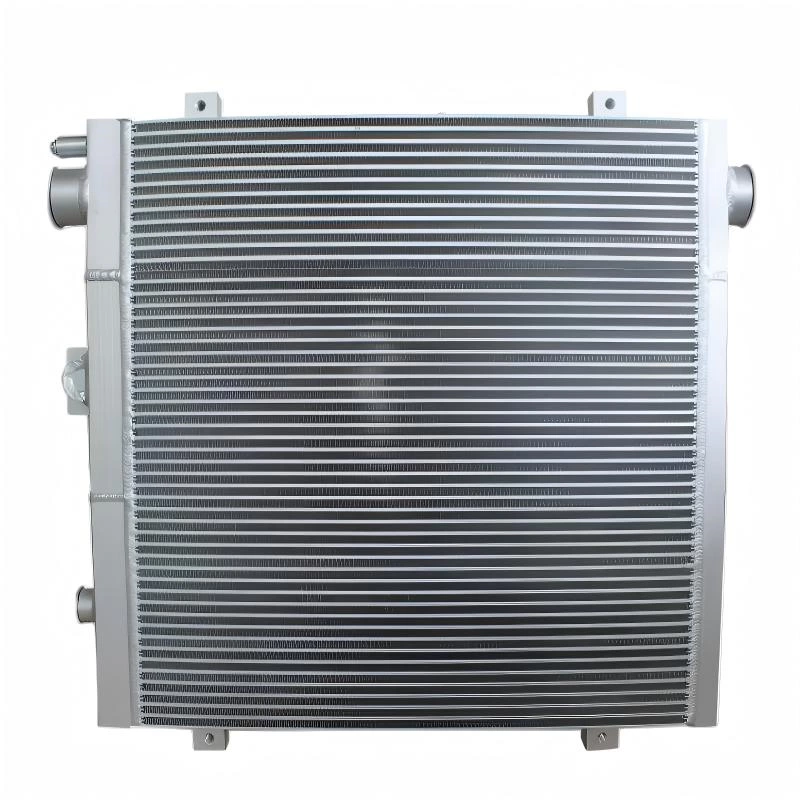
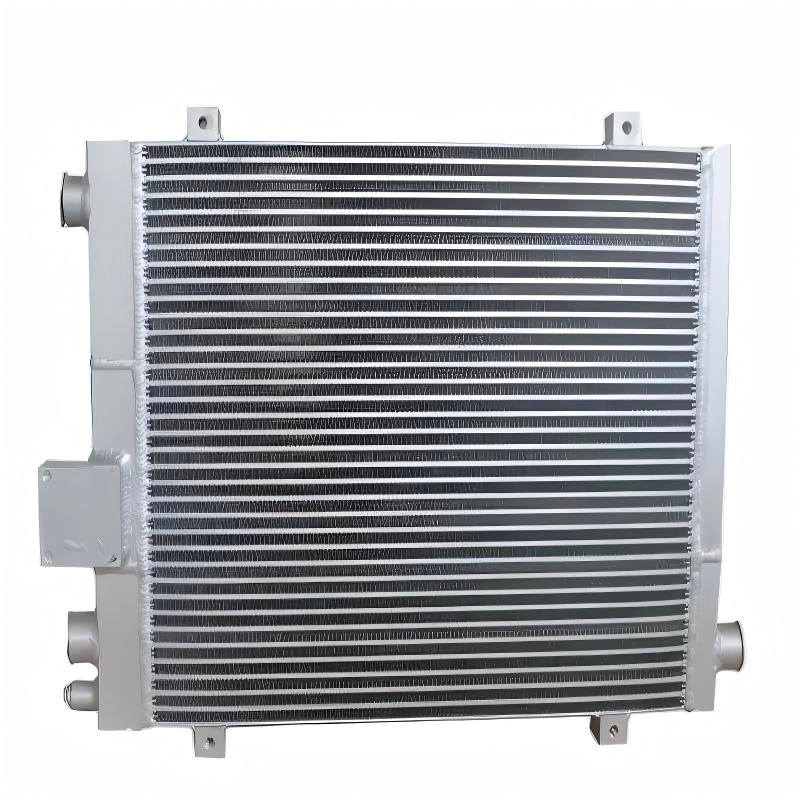
Air Compressor Coolers: Functions, Working Principle, and Benefits
Air compressor coolers are essential components in compressor systems because they help remove excess heat and keep the equipment operating within a stable temperature range. Without effective cooling, high operating temperatures may reduce lubrication performance, affect compressed air quality, and increase the risk of shutdowns or component failure.
In air compressor systems, coolers are often referred to as radiators or heat exchangers. Their role is to transfer heat away from compressed air, lubricating oil, or other system fluids. By controlling temperature, air compressor coolers help improve efficiency, protect critical components, and extend equipment service life.
What Are Air Compressor Coolers?
Air compressor coolers are heat exchange components designed to reduce the temperature of compressed air, lubricating oil, or other fluids within the compressor system. Depending on the equipment design, they may function as aftercoolers, oil coolers, or combined cooling units.
These coolers are widely used in screw air compressors and other industrial compressor systems where stable temperature control is necessary for reliable operation.
The Main Functions of Air Compressor Coolers
Maintaining proper operating temperature: Air compressor coolers help keep the compressor within a suitable temperature range for efficient lubrication, sealing, and mechanical performance.
Reducing overheating risk: If compressor temperature remains too high for extended periods, lubricating oil may degrade more quickly, carbon deposits may form, and key components may experience increased wear or damage. Proper cooling helps reduce these risks.
Improving compressed air quality: By lowering the temperature of discharged compressed air, air compressor coolers help support moisture condensation and separation, which contributes to cleaner and drier compressed air.
Protecting system components: Stable cooling helps reduce thermal stress on bearings, rotors, seals, and other critical moving parts, improving overall system reliability and service life.
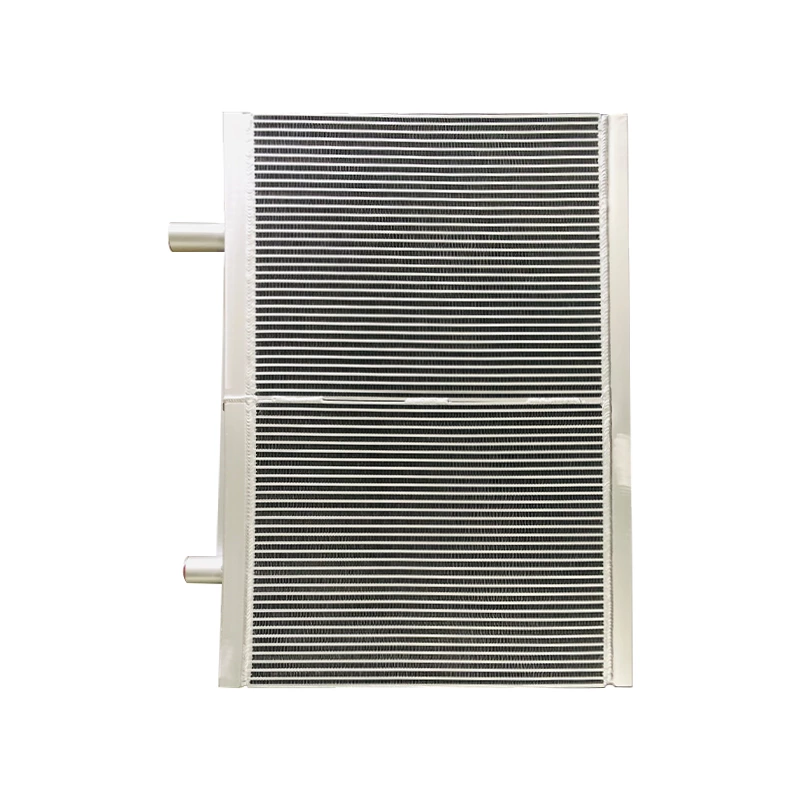
How Do Air Compressor Coolers Work?
The working principle of air compressor coolers is based on heat exchange. High-temperature compressed air or lubricating oil flows through the internal passages of the cooler, while a cooling medium such as air or water removes heat from the system.
Heat is transferred through the cooler walls, which are usually made of materials with good thermal conductivity, such as aluminum or copper. Fins or extended surfaces are often added to increase the heat transfer area and improve cooling efficiency.
In air-cooled systems, a fan helps force ambient air across the cooler surface to carry heat away. In water-cooled systems, circulating water removes heat through a separate cooling circuit. After heat exchange, the cooled compressed air or lubricating oil returns to the system for continued operation.
Common Types of Air Compressor Coolers
Air compressor coolers may include several different cooling components depending on the compressor design and application.
- Aftercoolers: used to cool compressed air after compression
- Oil coolers: used to reduce lubricating oil temperature
- Air-cooled coolers: suitable for systems without a water supply
- Water-cooled coolers: suitable for fixed industrial installations with stable water resources
The right cooler type depends on cooling demand, operating environment, installation conditions, and overall compressor design.
Why Proper Cooling Matters in Air Compressor Systems
Insufficient cooling can lead to higher oil temperature, reduced lubricant performance, unstable compressor operation, and more frequent maintenance. In severe cases, poor heat dissipation may cause overheating alarms, forced shutdowns, and shortened equipment life.
By using the right air compressor coolers, operators can improve thermal management, reduce downtime, and maintain more consistent compressor performance.
Conclusion
Air compressor coolers play a key role in controlling temperature, improving compressed air quality, and protecting major compressor components. Whether used as oil coolers, aftercoolers, or integrated heat exchangers, they are essential for maintaining efficient and reliable compressor operation.
Choosing the right air compressor cooler helps improve heat dissipation, reduce overheating risk, and support the long-term stability of industrial air compressor systems.Welcome to contact us