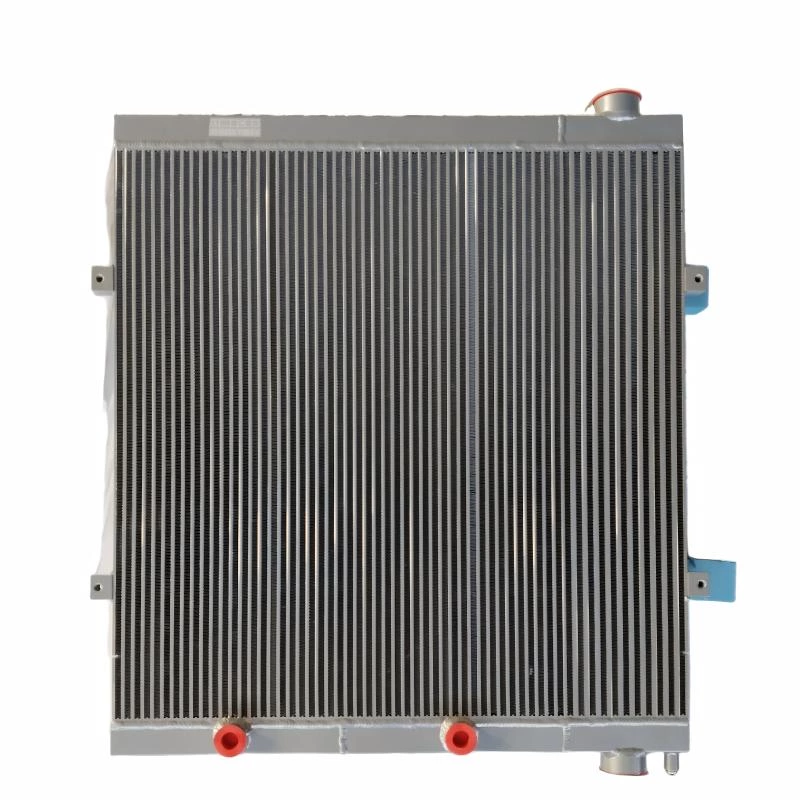
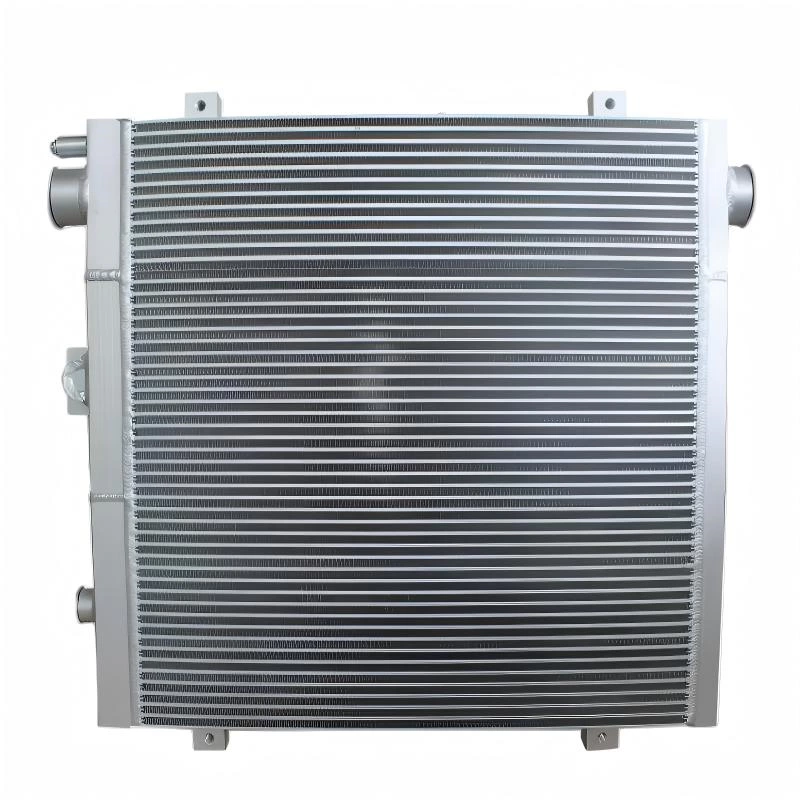
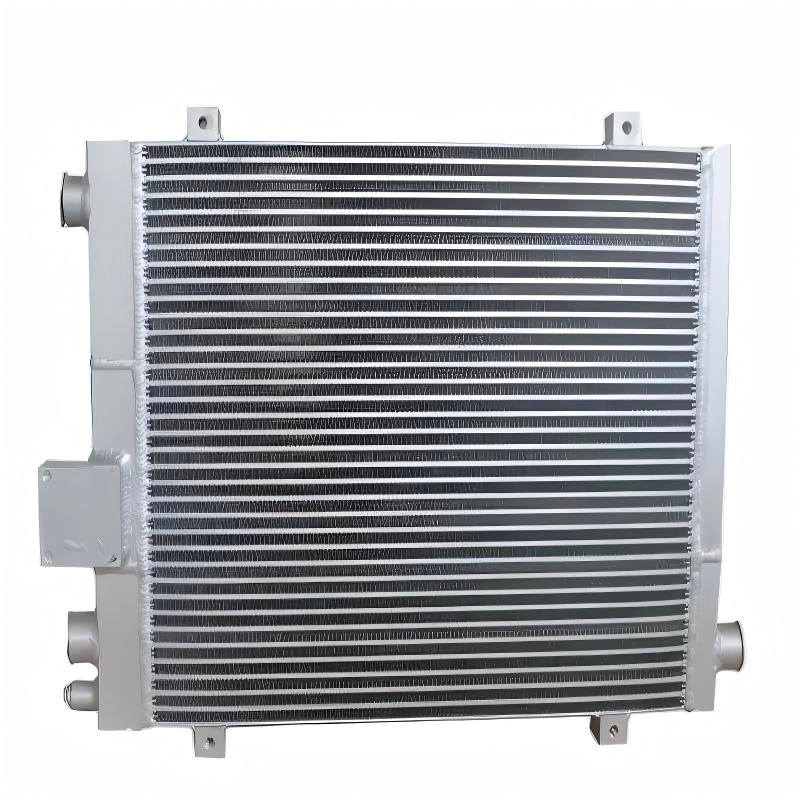
How to Clean Air Compressor Radiators Properly
Cleaning radiators is an important part of maintaining stable cooling performance in air compressor systems. Over time, radiator surfaces can become blocked by dust, oil residue, carbon deposits, or scale. When this happens, heat transfer efficiency drops, operating temperature rises, and the risk of high-temperature shutdown increases.
For screw air compressors, regular radiator cleaning helps protect the cooling system, maintain normal operating temperature, and reduce the risk of equipment failure caused by overheating. Both external and internal cleaning may be required, depending on the type and severity of contamination.
Why Is Cleaning Radiators Important?
Radiators and heat exchangers play a critical role in removing heat from air compressors and other industrial equipment. If radiator fins, tubes, or internal flow passages become blocked, the system cannot release heat efficiently. This may lead to reduced cooling performance, higher oil temperature, unstable operation, and unplanned downtime.
Cleaning radiators on a regular basis helps restore heat transfer efficiency, reduce thermal stress on the equipment, and extend the service life of both the radiator and the compressor system.
When Do Air Compressor Radiators Need Cleaning?
Radiator cleaning is usually necessary when the system shows signs of restricted heat transfer or contamination. Common warning signs include rising operating temperature, high-temperature alarms, visible dust buildup on the fins, oil contamination, carbon deposits, or internal scale formation.
If unsuitable lubricants are used, or if the compressor operates for long periods at high temperature, carbon deposits and coking may build up inside the radiator. In this case, internal cleaning becomes especially important.
External Cleaning Radiators Methods
External cleaning is used to remove dust, oil residue, and debris from the outer heat transfer surfaces of the radiator. In many cases, blocked fins or external contamination are the main causes of poor cooling performance.
Common external cleaning methods include:
- Blowing away dust and loose debris with compressed air
- Using a suitable cleaning agent to remove oil residue from the radiator surface
- Washing carefully with water where the radiator design and working conditions allow
External cleaning should be carried out carefully to avoid bending fins or damaging the heat transfer surface.
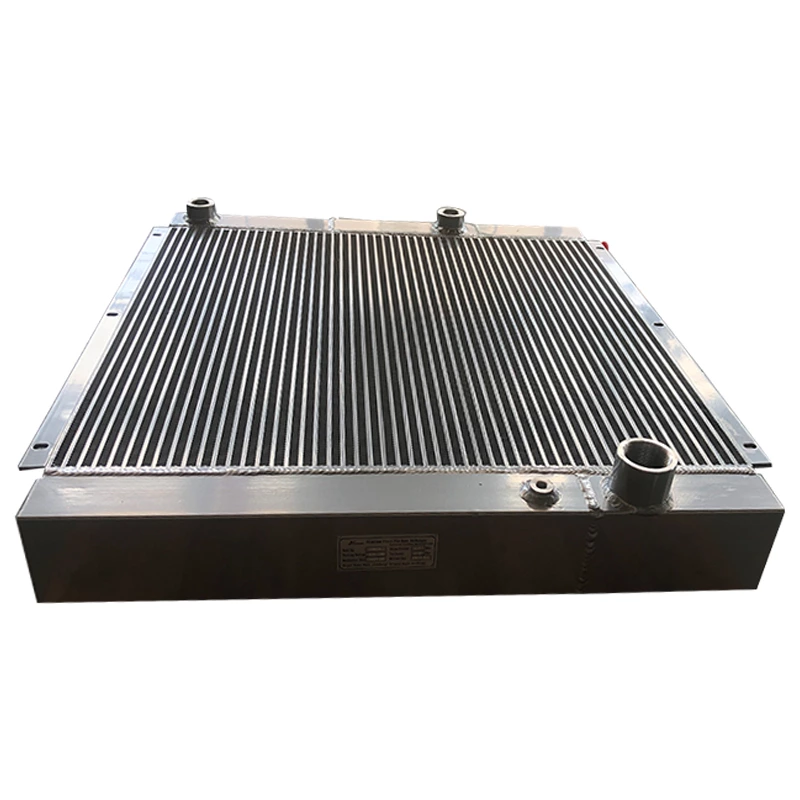
Internal Cleaning Radiators Methods
Internal cleaning is required when carbon deposits, coking, sludge, or scale form inside the radiator or cooler passages. The best cleaning method depends on the contamination level and the condition of the equipment.
Online Cleaner Application
Online cleaning is generally suitable for light carbon deposits, high-viscosity lubricating oil contamination, and air compressors that have been operating under high-temperature conditions.
A typical method is to add the cleaner during operation according to the recommended ratio, allow the system to run for a defined period, and then drain the oil while it is still hot. This helps remove suspended contaminants before they settle again inside the system.
Soaking Cleaner Application
Soaking cleaning is more suitable for severe carbon deposits and heavy oil contamination. In such cases, the main unit and cooler are usually dismantled and soaked in a cleaning solution. The soaking time depends on the thickness and hardness of the deposits and may range from several minutes to several hours.
Scale Remover Application
Scale removers are used when pipework or cooler passages are blocked by mineral scale. Cleaning is often carried out through an independent circulation system connected to a pump and cleaning tank. Depending on the cleaning agent and equipment condition, the solution is circulated for a certain period and then flushed thoroughly with clean water after draining.
When heating is used to improve cleaning efficiency, the liquid temperature should remain within the safe operating range recommended for the cleaning process and radiator material.
Precautions When Cleaning Radiators
Cleaning radiators should always be carried out with care. The wrong cleaning method or unsuitable chemicals may damage the radiator core, internal passages, or seals.
- Choose a cleaning method based on the type of contamination
- Avoid aggressive chemicals that may attack aluminum components
- Do not use excessive pressure on delicate radiator fins
- Flush the system thoroughly after chemical cleaning
- Make sure the radiator is fully dry and properly reinstalled before operation
Conclusion
Cleaning radiators is essential for maintaining cooling efficiency and preventing overheating in screw air compressors and other industrial equipment. Whether the contamination is external dust, internal carbon deposits, or mineral scale, the right cleaning method can help restore heat transfer performance and reduce the risk of shutdowns.
For reliable long-term operation, radiator cleaning should be included as part of regular maintenance, especially in systems exposed to high temperature, heavy oil contamination, or demanding working conditions.
If you need high-efficiency cooling components for air compressors and industrial systems, choosing a reliable manufacturer of aluminum plate-fin heat exchangers and radiators can help improve both cooling performance and equipment reliability.