Car Intercooler: Functions, Benefits, and Types
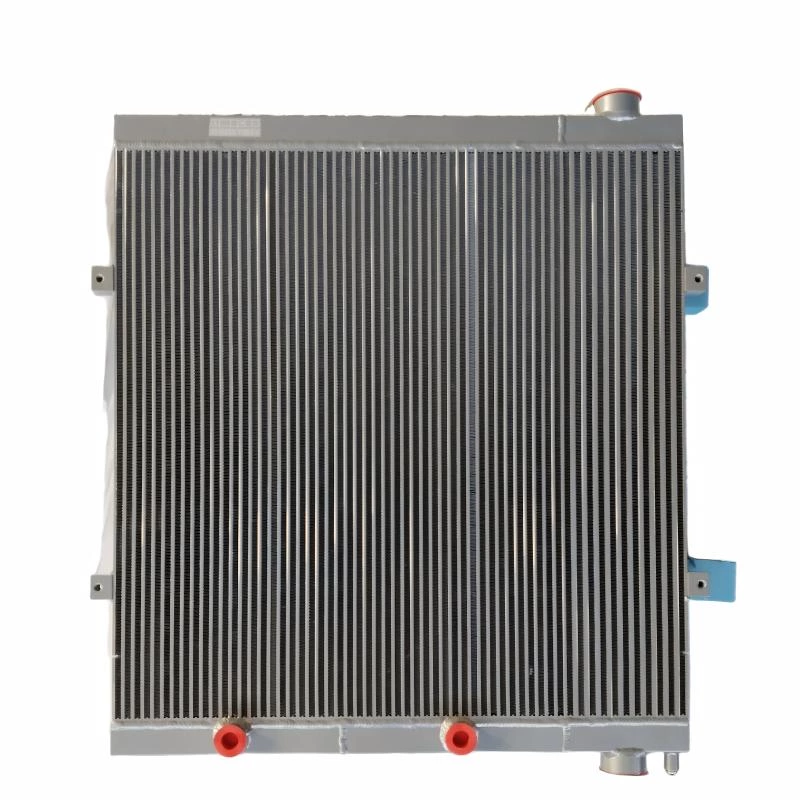
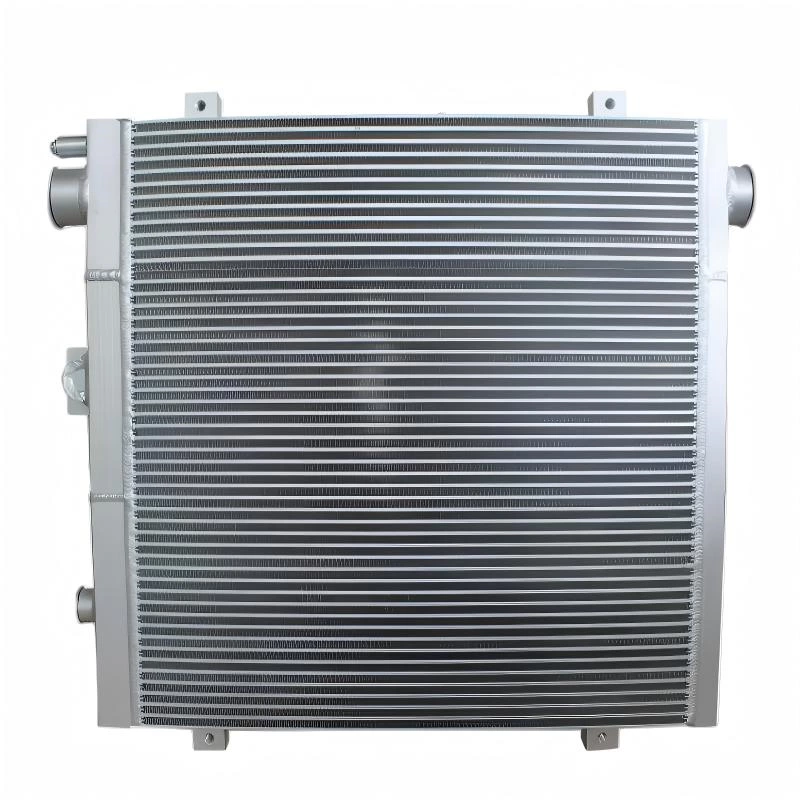
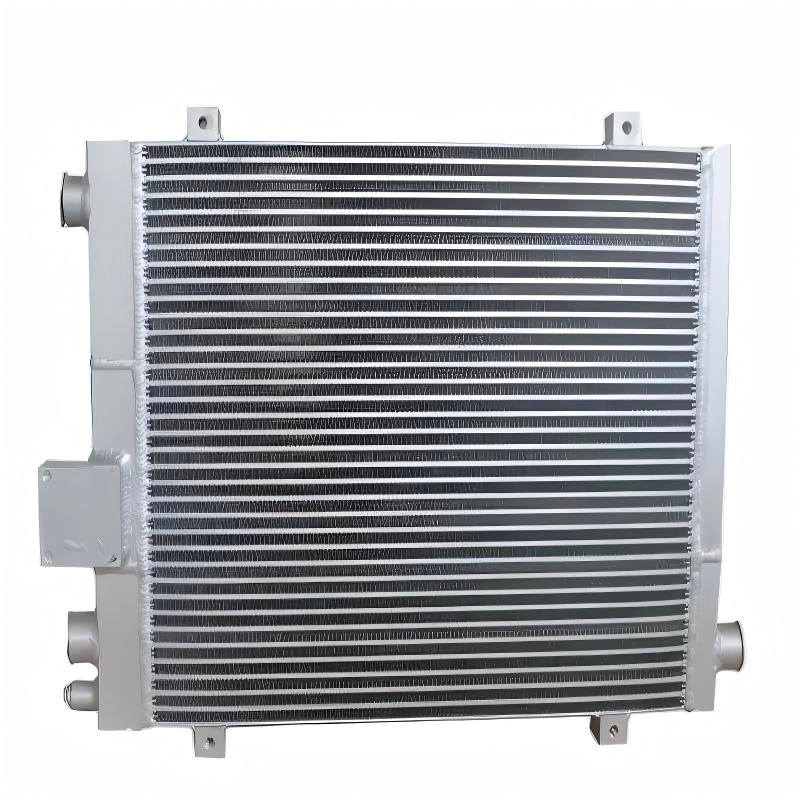
A car intercooler is an important heat exchanger used in turbocharged or supercharged engines. Its main job is to cool the compressed air coming from the turbocharger or supercharger before that air enters the engine. By reducing the temperature of the intake air, a car intercooler helps increase air density, improve combustion efficiency, and support better engine performance.
In modern automotive systems, the car intercooler plays a key role in maintaining stable engine operation. It not only helps improve power output, but also reduces thermal stress on the engine and supports fuel efficiency. For vehicles equipped with forced induction systems, an intercooler is a critical component for both performance and durability.
What Is a Car Intercooler?
A car intercooler is a cooling device installed between the turbocharger or supercharger and the engine intake manifold. When air is compressed by a turbocharger, its temperature rises significantly. Hot air contains less oxygen per unit volume than cool air, which reduces combustion efficiency.
The intercooler solves this problem by removing heat from the compressed air. Once the air is cooled, it becomes denser, allowing more oxygen to enter the combustion chamber. This improves engine efficiency and helps the engine generate more power under boost conditions.
In simple terms, a car intercooler allows a forced induction engine to perform better by delivering cooler and denser air to the engine.
How Does a Car Intercooler Work?
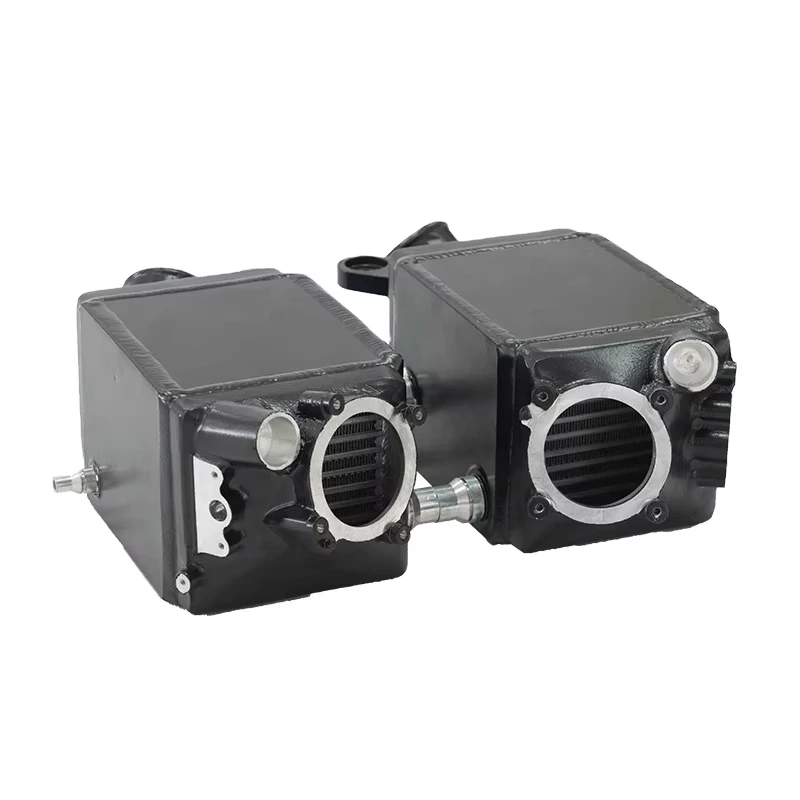
The working principle of a car intercooler is similar to that of a heat exchanger. After air is compressed by the turbocharger, it passes through the intercooler core. As the hot compressed air moves through the internal channels, heat is transferred to the surrounding air or coolant, depending on the intercooler design.
After the heat is removed, the cooled air flows into the engine intake system. Because cooler air is denser, the engine can burn fuel more effectively. This results in better combustion, improved throttle response, and more stable performance.
The effectiveness of a car intercooler depends on several factors, including:
- Core design
- Heat transfer efficiency
- Airflow management
- Material quality
- Installation position
A well-designed intercooler helps maintain lower intake temperatures even under high load and high boost conditions.
Why Is a Car Intercooler Important?
A car intercooler is important because high intake air temperatures can reduce engine efficiency and increase the risk of engine knock or overheating. In turbocharged vehicles, compressed air can become extremely hot, especially during high-speed driving or heavy engine load.
By cooling the intake charge, the intercooler provides several key benefits.
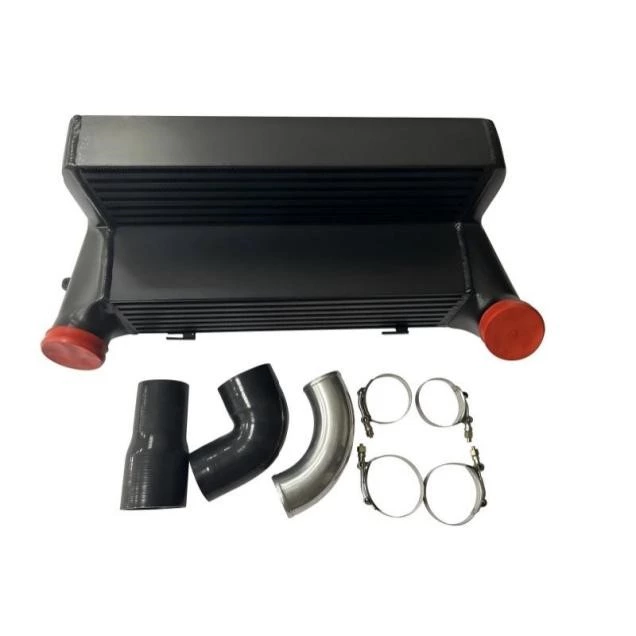
1. Improved Engine Performance
Cooler air is denser and contains more oxygen. This allows the engine to burn fuel more efficiently and produce more power.
2. Better Combustion Efficiency
Lower intake temperatures help create a more stable air-fuel mixture, which supports cleaner and more efficient combustion.
3. Reduced Thermal Stress
Excessive heat can place additional strain on engine components. A car intercooler helps reduce heat-related stress on pistons, valves, and other parts.
4. Enhanced Engine Reliability
By controlling intake temperatures, the intercooler helps improve long-term engine durability, especially in turbocharged applications.
5. Support for Fuel Efficiency
Efficient combustion can also contribute to improved fuel economy under certain driving conditions.
For these reasons, the car intercooler is widely used in performance vehicles, commercial vehicles, and modern passenger cars equipped with turbocharged engines.
Types of Car Intercoolers
There are two main types of car intercoolers used in automotive applications.
| Item | Air-to-Air Intercooler | Water-to-Air Intercooler |
|---|---|---|
| Cooling Method | Uses ambient air to cool compressed intake air. | Uses liquid coolant to remove heat from compressed intake air. |
| Structure | Simpler system design. | More compact but relatively complex system. |
| Advantages | Cost-effective, reliable, and easy to maintain. | Faster heat transfer and better for limited installation space. |
| Typical Applications | Passenger cars, trucks, and turbocharged road vehicles. | Performance cars, racing vehicles, and high-performance applications. |
Choosing the right type of car intercooler depends on engine design, available space, cooling requirements, and vehicle application.
Car Intercooler vs Radiator: What Is the Difference?
Many people confuse a car intercooler with a radiator, but they serve different purposes.
A radiator cools the engine coolant that circulates through the engine block. Its job is to keep the engine itself from overheating.
A car intercooler, on the other hand, cools the compressed intake air before it enters the engine. Its main purpose is to improve combustion efficiency and performance in forced induction systems.
Although both components are heat exchangers, they work in different parts of the engine system and handle different types of heat.
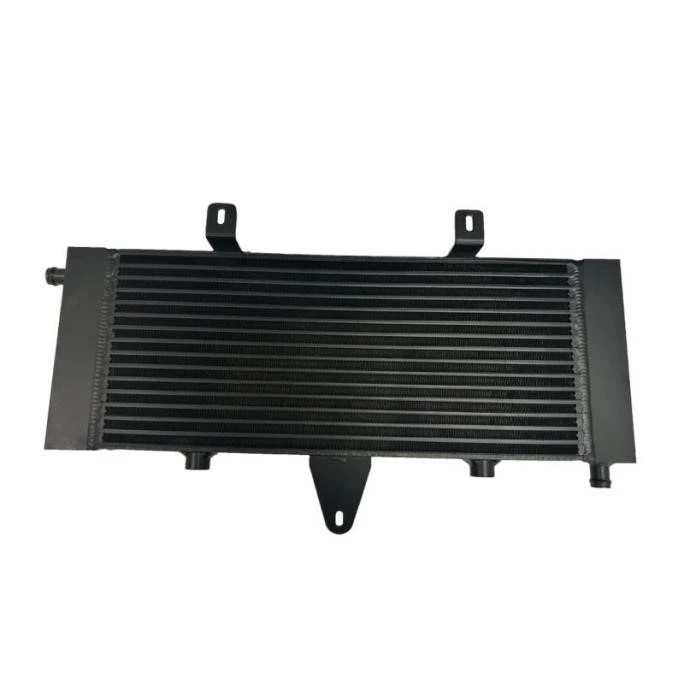
Common Signs of a Bad Car Intercooler
Like any heat exchanger, a car intercooler can develop problems over time. Damage, leaks, or internal blockage can reduce cooling performance and affect engine operation.
Common signs of a failing car intercooler include:
- Reduced engine power
- Poor acceleration
- Increased intake air temperature
- Turbo boost leaks
- Excessive smoke from the exhaust
- Lower fuel efficiency
- Visible oil contamination or external damage
If the intercooler is leaking or damaged, the engine may not receive the correct amount of cooled compressed air. This can lead to unstable performance and reduced reliability.
How to Choose the Right Car Intercooler
When selecting a car intercooler, it is important to consider both performance requirements and manufacturing quality. A suitable intercooler should provide efficient heat transfer, stable structural strength, and long-term leak resistance.
Here are several factors to evaluate:
1. Material
Aluminum is widely used in car intercoolers because it offers good thermal conductivity, light weight, and corrosion resistance.
2. Core Design
The internal and external fin structure directly affects cooling efficiency and airflow performance.
3. Pressure Resistance
A high-quality car intercooler should withstand boost pressure and temperature cycling without deformation or leakage.
4. Vehicle Application
The intercooler should match the engine platform, installation space, and cooling requirements of the vehicle.
5. Manufacturing Capability
For automotive manufacturers and buyers, it is important to work with a supplier that has experience in brazing, leak testing, and customized heat exchanger production.
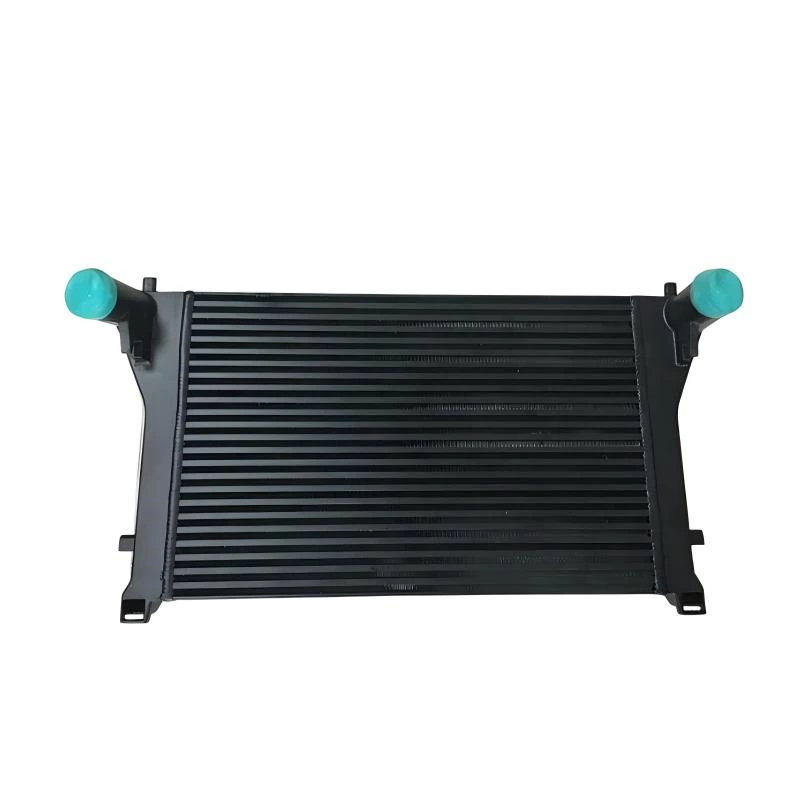
Car Intercooler Applications in the Automotive Industry
The car intercooler is widely used in many segments of the automotive industry, including:
- Passenger cars with turbocharged engines
- Performance vehicles
- SUVs and pickup trucks
- Commercial vehicles
- Modified and aftermarket automotive systems
As engine downsizing and turbocharging continue to develop, the demand for efficient car intercoolers is also increasing. Manufacturers are focusing on lighter, more compact, and higher-efficiency designs to meet modern automotive requirements.
Why Manufacturing Quality Matters for Car Intercoolers
The performance of a car intercooler is not only determined by design, but also by production quality. Reliable manufacturing ensures the intercooler can maintain sealing performance, thermal efficiency, and structural stability over time.
For buyers, OEMs, and automotive parts distributors, choosing a professional intercooler manufacturer is essential. A qualified supplier should be able to provide:
- Stable aluminum brazing technology
- Strict leak testing
- Custom design capability
- Consistent product quality
- Experience in automotive heat exchanger production
For businesses looking for durable and efficient car intercooler solutions, working with an experienced manufacturer can help improve product performance and reduce long-term quality risks.
Conclusion
A car intercooler is a vital component in turbocharged and supercharged engines. By cooling compressed intake air, it improves air density, enhances combustion efficiency, supports engine performance, and helps protect the engine from excessive heat.
Whether used in passenger cars, performance vehicles, or commercial automotive systems, the right intercooler can make a significant difference in both efficiency and durability. As automotive technology continues to evolve, the importance of high-quality car intercoolers will continue to grow.
If you are looking for reliable car intercooler solutions, it is important to choose a manufacturer with strong engineering capability, strict quality control, and experience in automotive heat exchanger production.
FAQ
What does a car intercooler do?
A car intercooler cools compressed air from the turbocharger or supercharger before it enters the engine. This improves air density and supports better combustion.
Does a car intercooler increase horsepower?
A car intercooler can help improve engine performance by lowering intake air temperature. Cooler air allows the engine to operate more efficiently, which can support better power output.
Is a car intercooler necessary for turbocharged engines?
Yes. In most turbocharged systems, a car intercooler is important because compressed air becomes hot and must be cooled before entering the engine.
What is the difference between a car intercooler and a radiator?
A radiator cools engine coolant, while a car intercooler cools compressed intake air in turbocharged or supercharged engines.
What material is commonly used for car intercoolers?
Aluminum is one of the most common materials used for car intercoolers because of its good heat transfer performance and lightweight properties.