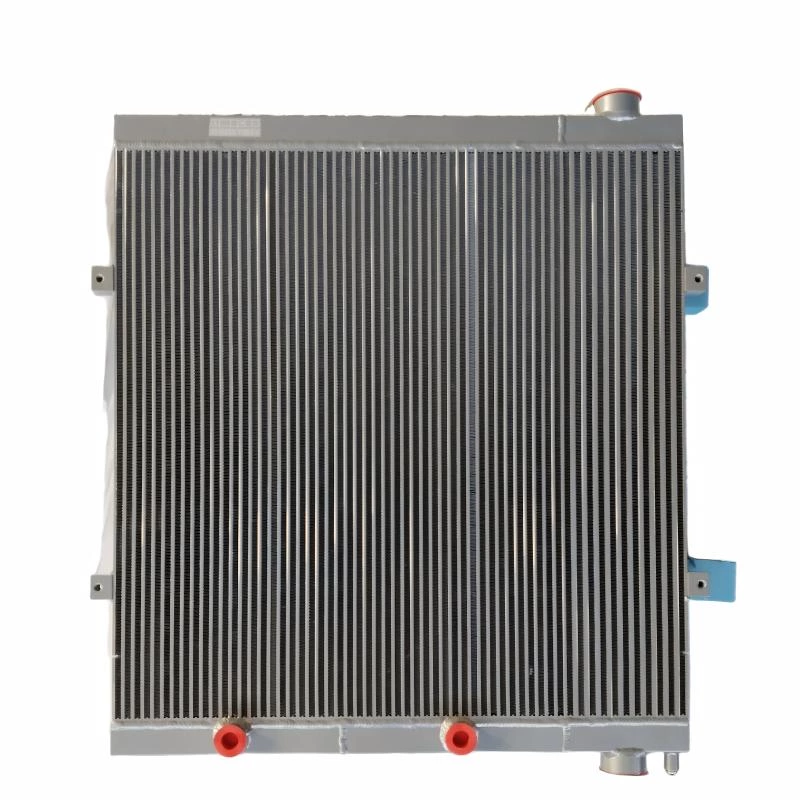
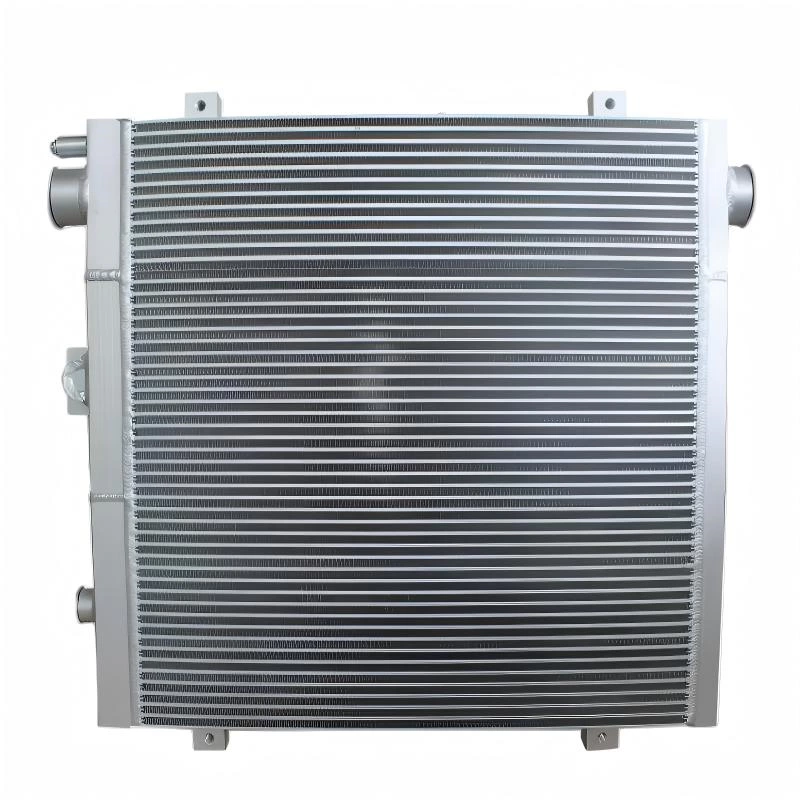
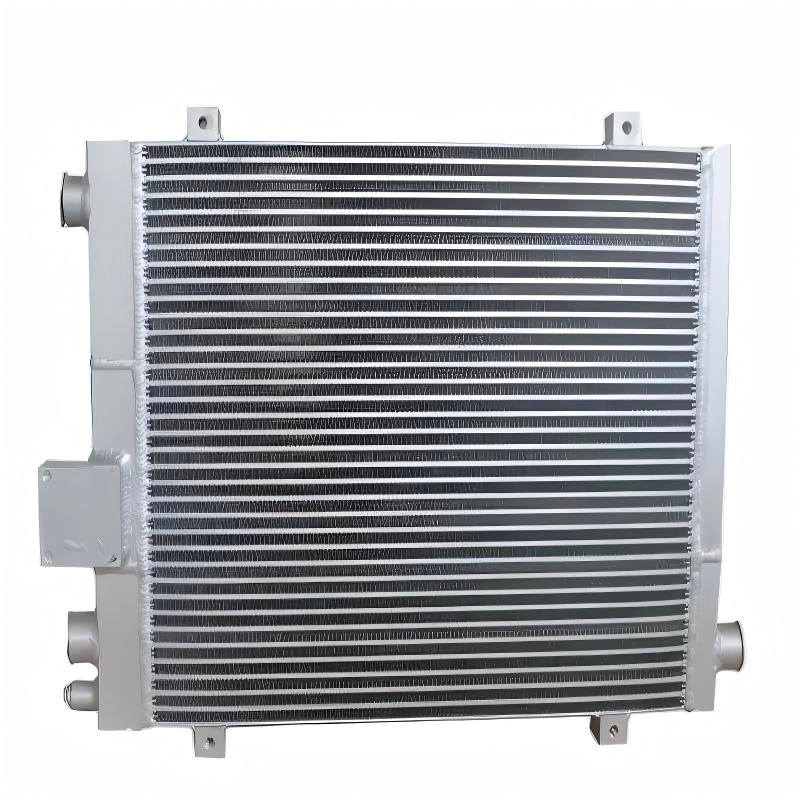
Excavator Radiators: Types, Functions, and Applications
Excavator radiators are essential components in the excavator cooling system, helping control the temperature of both the engine and the hydraulic system during operation. In heavy-duty construction environments, excavators generate a significant amount of heat. Without an efficient excavator cooling radiator, excessive heat can reduce operating efficiency, damage critical components, and shorten equipment service life.
In general, the term excavator radiators includes both the engine radiator for excavator applications and the hydraulic oil cooler for excavator systems. These cooling components use different working media and perform different tasks, but both are necessary for keeping the machine running smoothly under demanding conditions.
What Is the Excavator Radiator Function?
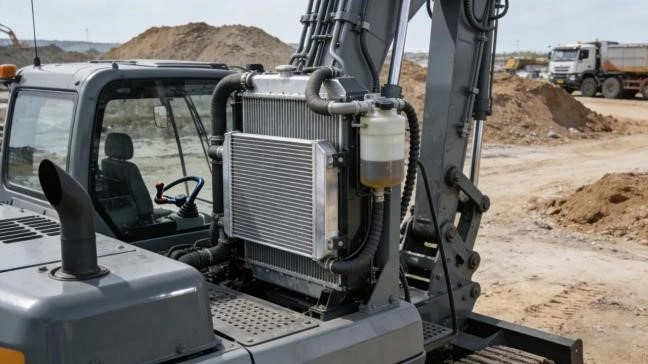
The main excavator radiator function is to remove excess heat from key systems and maintain a stable operating temperature. Excavators typically rely on two main cooling solutions: one for engine cooling and one for hydraulic oil cooling.
The engine cooling system uses coolant or water-based liquid to absorb heat from the engine, while the hydraulic cooling system uses an oil cooler to reduce the temperature of hydraulic oil. Together, these systems form a complete excavator cooling system that supports machine reliability, fuel efficiency, and long-term performance.
Excavator Radiator Types
Excavators typically use two independent cooling systems to ensure stable machine performance under heavy-duty working conditions. One is the engine cooling system (radiator), and the other is the hydraulic oil cooling system (oil cooler).
| Cooling System Type | Hydraulic Oil Cooler | Engine Cooling Radiator (Water Tank) |
|---|---|---|
| Cooling Medium | Hydraulic oil | Coolant / Antifreeze (ethylene glycol + water) |
| Cooling Target | Hydraulic oil tank / hydraulic system | Engine cooling system |
| Main Function | Reduces hydraulic oil temperature generated during digging, lifting, and rotation operations. | Regulates engine temperature and prevents overheating during continuous operation. |
| Working Principle | Hot hydraulic oil flows through the cooler core. Heat is transferred from oil to air through fins and tubes via forced airflow. | Engine coolant absorbs engine heat, circulates through the radiator core, and releases heat to ambient air through heat exchange. |
| System Role | Ensures stable hydraulic pressure, protects hydraulic components, and maintains system efficiency. | Ensures stable engine combustion temperature and improves overall machine reliability. |
| Typical Application | Heavy-duty digging, mining, lifting, continuous hydraulic operation | All excavator working conditions requiring engine thermal control |
Best-selling Hydraulic Oil Cooler: KOMATSU PC20 / PC20MR-1 / PC20UU-3, CASE CS580, DOOSAN DH55 / S55 / S55W-V, etc.
Best-selling Engine Cooling Radiator:KOMATSU PC40MR-3, KOMATSU PC270 / PC290 Series, DOOSAN DH55, JCB 240, etc.
Best-selling Integrated Excavator Cooling System: KOMATSU PC27MR / PC30MR / PC30UU, SUMITOMO SH120, CASE CX58, KATO HD450-7 / HD450V2, etc.
For other brands of radiators, I accept custom orders based on drawings. Please for a quote.
Why Aluminum Excavator Radiators Are Widely Used
An aluminum excavator radiator is widely used in the construction machinery industry because aluminum offers excellent heat transfer performance, light weight, and good corrosion resistance. Compared with some traditional materials, aluminum radiators are more suitable for applications that require efficient cooling and durable structural performance.
Modern aluminum excavator radiator designs often include optimized tube layouts and high-efficiency fins to improve heat dissipation. This makes them ideal for both engine cooling radiators and hydraulic oil coolers in demanding construction environments.
Why Excavator Radiators Are Important
High-quality excavator radiators are critical for maintaining machine performance and extending service life. If the cooling system cannot remove heat effectively, the engine may overheat and the hydraulic system may lose efficiency. This can lead to reduced productivity, increased maintenance costs, and more frequent equipment downtime.
A reliable excavator radiator offers several important benefits:
- Stable engine operating temperature
- Better hydraulic system efficiency
- Reduced overheating risk
- Longer component service life
- Improved machine reliability in heavy-duty applications
Because of these benefits, choosing the right excavator cooling radiator is essential for excavator manufacturers, equipment owners, and parts distributors.
Excavator Radiator Brands We Supply
We supply high-performance excavator radiators and cooling system components compatible with major global construction machinery brands. OEM and custom solutions are available for different models and applications.
| Brand | Main Equipment Type | Cooling Products We Supply | Typical Application |
|---|---|---|---|
| CAT | Excavators / Heavy Equipment | Engine Radiator, Hydraulic Oil Cooler, Aftercooler | Mining, Quarry, Construction |
| Komatsu | Excavators / Dozers | Radiator Assembly, Oil Cooler | Earthmoving, Infrastructure |
| Hitachi | Crawler Excavators | Engine Cooling Radiator, Hydraulic Cooler | Heavy Construction, Mining |
| Volvo | Excavators / Wheel Loaders | Radiator, Charge Air Cooler | Road Construction, Earthwork |
| Hyundai | Excavators | Cooling Radiator, Oil Cooler | General Construction |
| Doosan | Excavators | Radiator, Hydraulic Oil Cooler | Construction Sites, Heavy Duty Work |
| Kobelco | Excavators | Engine Radiator, Cooling System Parts | Urban Construction, Mining |
| Sumitomo | Excavators | Radiator, Oil Cooling System | Industrial Construction |
| JCB | Excavators / Backhoe Loaders | Engine Radiator, Hydraulic Cooler | Municipal Projects, Agriculture |
| CASE | Excavators | Radiator Replacement Parts | Construction, Agriculture |
| KATO | Excavators / Cranes | Engine Cooling Radiator, Oil Cooler | Infrastructure, Heavy Lifting Work |
How to Choose the Right Excavator Radiator
When selecting excavator radiators, buyers should consider several factors, including cooling efficiency, material quality, structural strength, and leak resistance. A suitable radiator should match the machine model, working conditions, and cooling requirements of the engine or hydraulic system.
It is also important to work with a professional excavator radiator manufacturer that can provide stable production quality, reliable brazing technology, and strict leak testing. For OEM and aftermarket buyers, an experienced excavator radiator manufacturer can also offer customized cooling solutions for different construction machinery applications.
Conclusion
Excavator radiators are vital components in any excavator cooling system. They include the engine radiator for excavator cooling and the hydraulic oil cooler for excavator applications, both of which are necessary for stable and efficient machine operation. Understanding different excavator radiator types helps buyers and equipment operators choose the right cooling solution for long-term performance.
For companies looking for reliable cooling products, choosing a high-quality aluminum excavator radiator from an experienced excavator radiator manufacturer is an important step toward improving durability, cooling efficiency, and equipment reliability.