Air-Cooled vs Water-Cooled Hydraulic Oil Coolers
A hydraulic oil cooler is an important part of any hydraulic system that operates under heavy load or continuous duty. Its main job is to remove excess heat from hydraulic oil and keep the system within a stable operating temperature range. Without effective cooling, hydraulic oil can degrade more quickly, lubrication performance may decline, and key components can wear faster.
If you are choosing a hydraulic oil cooler, one of the first questions is whether an air-cooled or water-cooled system is more suitable for your application. The right choice depends on your working environment, available utilities, cooling demand, and installation conditions.
Why Hydraulic Oil Temperature Control Matters
Hydraulic systems generate heat through fluid friction, pressure loss, internal leakage, and continuous mechanical load. If this heat is not removed effectively, oil temperature can rise and affect the performance of pumps, valves, motors, and seals. High oil temperature may also accelerate oxidation, reduce viscosity, and shorten oil service life.
This is why a properly selected hydraulic oil cooler is essential for maintaining hydraulic system efficiency, reliability, and long-term durability.
What Are the Two Main Methods for Cooling Hydraulic Oil?
Air-Cooled Hydraulic Oil Coolers
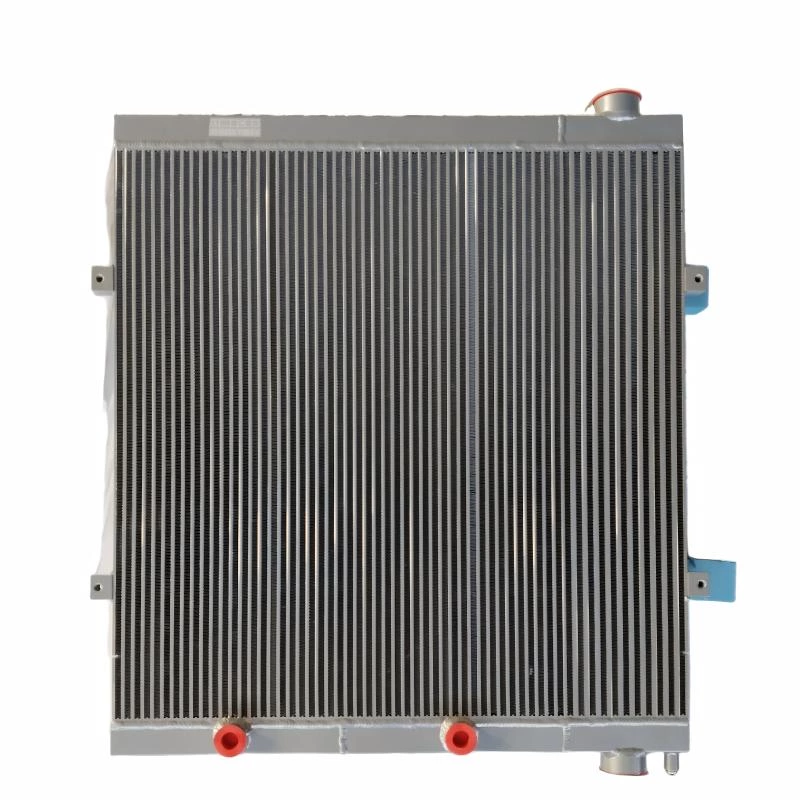
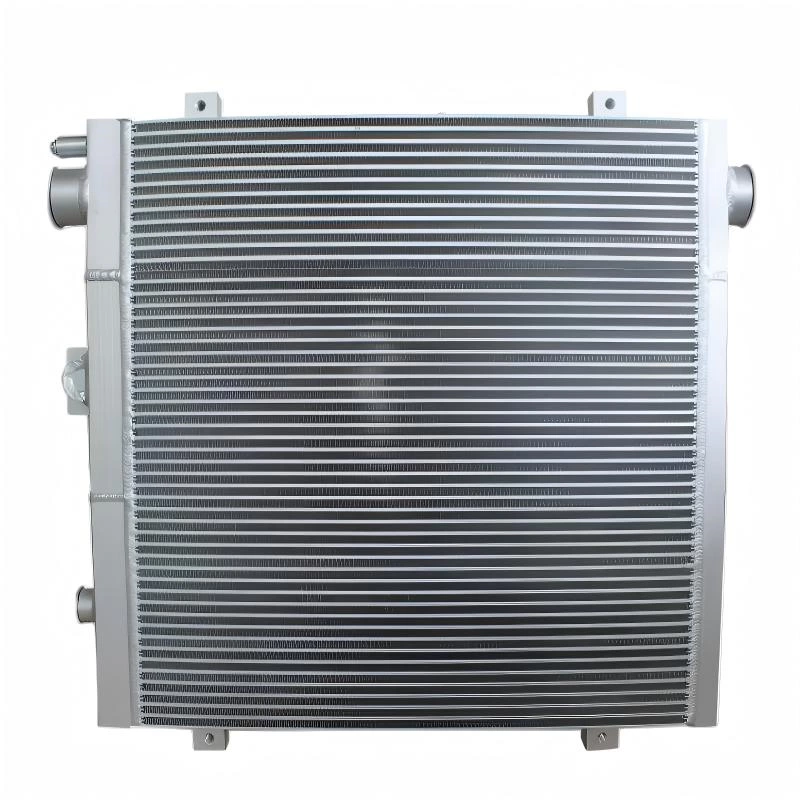
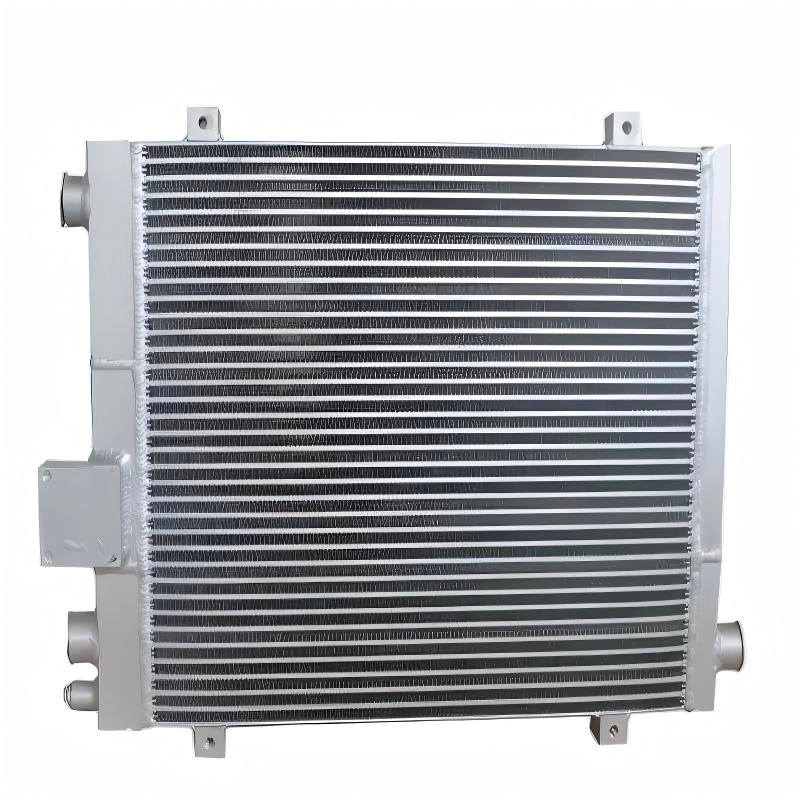
Air-cooled hydraulic oil coolers transfer heat from hydraulic oil to the surrounding air. They usually use finned or plate-fin structures to increase heat transfer area, while a fan or natural airflow helps carry heat away from the cooler surface.
Air-cooled systems are widely used in mobile equipment, construction machinery, agricultural machines, and other applications where water is not readily available. They are generally easier to install and maintain, making them a practical solution for outdoor and standalone hydraulic systems.
Water-Cooled Hydraulic Oil Coolers
Water-cooled hydraulic oil coolers use water as the cooling medium inside a separate circuit. Heat is transferred from the hydraulic oil to the water through a heat exchanger, allowing the oil temperature to drop more efficiently in controlled industrial environments.
Water-cooled systems are often used in fixed industrial applications where a stable cooling water supply is available. They are suitable for high-load operating conditions, especially when stronger cooling performance or compact installation is required.
Which Hydraulic Oil Cooling Method Is Better?
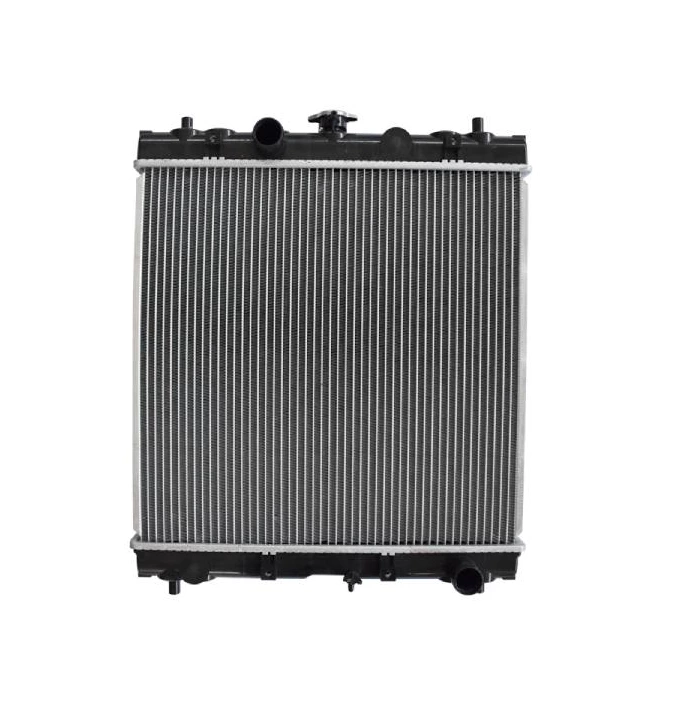
There is no single best cooling method for every hydraulic system. Water-cooled hydraulic oil coolers often offer higher cooling efficiency in fixed industrial environments, especially where heat load is high and cooling water is consistently available. However, air-cooled hydraulic oil coolers are often the better choice for mobile equipment, outdoor use, and installations where simplicity and lower maintenance are important.
The best hydraulic oil cooler is the one that matches your actual operating conditions, heat load, installation space, and available resources.
The Role of Heat Exchangers in Hydraulic Oil Cooling
A hydraulic oil cooler is a type of heat exchanger. Its purpose is to transfer heat from the hydraulic oil to air or water so the oil can remain within an acceptable operating range. Effective heat exchange helps maintain oil quality, protect seals, and reduce stress on pumps, valves, and motors.
When hydraulic oil runs too hot, the system may face several problems:
- Shorter oil life due to faster oxidation
- Sludge or varnish formation that can affect filters and valves
- Reduced viscosity and weaker lubrication performance
- Higher wear on seals and other system components
Comparison of Air-Cooled and Water-Cooled Hydraulic Oil Coolers
| Cooling Method | Heat Transfer Medium | Cooling Efficiency | Installation Complexity | Maintenance |
| Air-Cooled Hydraulic Oil Cooler | Ambient air | Moderate | Low | Low |
| Water-Cooled Hydraulic Oil Cooler | Water | High in stable industrial conditions | Moderate | Moderate |
How to Choose the Right Hydraulic Oil Cooler
When selecting a hydraulic oil cooler, it is important to consider heat load, oil flow rate, ambient temperature, available utilities, installation space, and maintenance requirements. Air-cooled systems are often preferred for mobile or outdoor equipment, while water-cooled systems are often selected for fixed industrial applications with higher cooling demands.
Choosing the right hydraulic oil cooler can improve system stability, reduce overheating risk, and extend the service life of hydraulic components.
Conclusion
Hydraulic oil coolers are essential for controlling oil temperature and protecting hydraulic systems from heat-related damage. Both air-cooled and water-cooled hydraulic oil coolers have clear advantages, and the right choice depends on your application and operating conditions. By selecting the correct cooling method, you can improve hydraulic system efficiency, reliability, and long-term performance.