Radiator Repair Guide: What You Can Fix Yourself and When to Replace the Radiator
Radiator problems are one of the most common causes of overheating in excavators, construction machinery, trucks, and industrial equipment. In many cases, operators notice symptoms such as coolant leaks or rising engine temperatures long before the actual cooling system failure is identified.
One of the biggest mistakes equipment owners make is repeatedly repairing visible radiator leaks without addressing the underlying cause of the failure. This often leads to recurring overheating, unexpected downtime, and higher long-term maintenance costs.
In heavy-duty operating environments, radiator systems constantly face:
- High temperature cycles
- Continuous vibration
- Dust and airflow blockage
- Internal coolant corrosion
- Heavy hydraulic heat loads
Over time, these conditions gradually reduce cooling efficiency and increase the risk of structural radiator damage.
Whether you operate excavators, loaders, agricultural machinery, mining equipment, or industrial cooling systems, understanding how radiator failures develop can help you determine:
- Which radiator problems can be repaired
- When professional radiator repair is necessary
- When radiator replacement becomes more cost-effective
- How to prevent repeated overheating problems

Why Radiators Fail Over Time
Most radiator failures do not happen suddenly. In heavy equipment applications, cooling performance often declines gradually over months of operation before major symptoms appear.
For example, excavators and construction machinery frequently operate in dusty environments with long working hours and constant vibration. These conditions accelerate:
- Aluminum fatigue
- Cooling fin blockage
- Internal coolant contamination
- Weld joint stress
- Airflow restriction
As cooling efficiency drops, the radiator must work harder to control engine and hydraulic temperatures. Eventually, overheating, coolant leakage, or structural cracking may begin appearing repeatedly.
The Most Common Mistake: Repairing the Leak Instead of the Cause
One of the biggest radiator repair mistakes is fixing the visible leak while ignoring the reason the leak happened.
A radiator may begin leaking because:
- Internal pressure became too high
- Cooling tubes were partially blocked
- Corrosion weakened the aluminum
- The cooling fan failed
- Excessive vibration cracked the structure
Simply sealing the leak without solving the underlying problem often leads to another failure shortly afterward.
How to Diagnose Radiator Problems Correctly
Before repairing or replacing a radiator, the first step is identifying whether the issue is:
- Airflow related
- Coolant flow related
- Structural damage
- Pressure related
- Corrosion related
Problem 1: The Machine Overheats Only Under Heavy Load
What This Usually Means
If the temperature rises mainly during heavy work, climbing, digging, or long operating hours, the radiator may still function partially but cooling efficiency has already declined.
Common Causes
- Internal coolant blockage
- Reduced airflow
- Dirty radiator fins
- Aging radiator core
- Weak cooling fan performance
What You Can Check Yourself
- Are the fins blocked by dust or mud?
- Is airflow passing through the radiator evenly?
- Does the cooling fan operate normally?
- Is coolant circulating properly?
When Professional Repair Is Needed
If overheating continues after cleaning and coolant replacement, internal blockage or core deterioration may already exist.
Problem 2: Coolant Keeps Disappearing but No Major Leak Is Visible
Small coolant loss often happens before major leaks appear.
Possible Causes
- Micro cracks
- Weak hose connections
- Internal corrosion
- Faulty radiator cap
What You Can Do Yourself
- Inspect hose clamps
- Check coolant residue around joints
- Look for white or green deposits
- Monitor coolant levels daily
When Professional Inspection Is Better
If coolant loss continues without visible leakage, pressure testing is usually necessary.

Problem 3: The Radiator Looks Fine but Cooling Performance Is Weak
Externally the radiator may appear normal, but internal performance can already be severely reduced.
The Hidden Issue: Internal Blockage
Over time, coolant contaminants create buildup inside cooling tubes.
This reduces:
- Coolant circulation
- Heat transfer efficiency
- Cooling capacity
Typical Signs
- Temperature slowly rises over months
- Cooling performance worsens gradually
- The machine overheats more in summer
- Fuel consumption increases
- Hydraulic systems become hotter than normal
Why Aluminum Radiators Are More Difficult to Repair
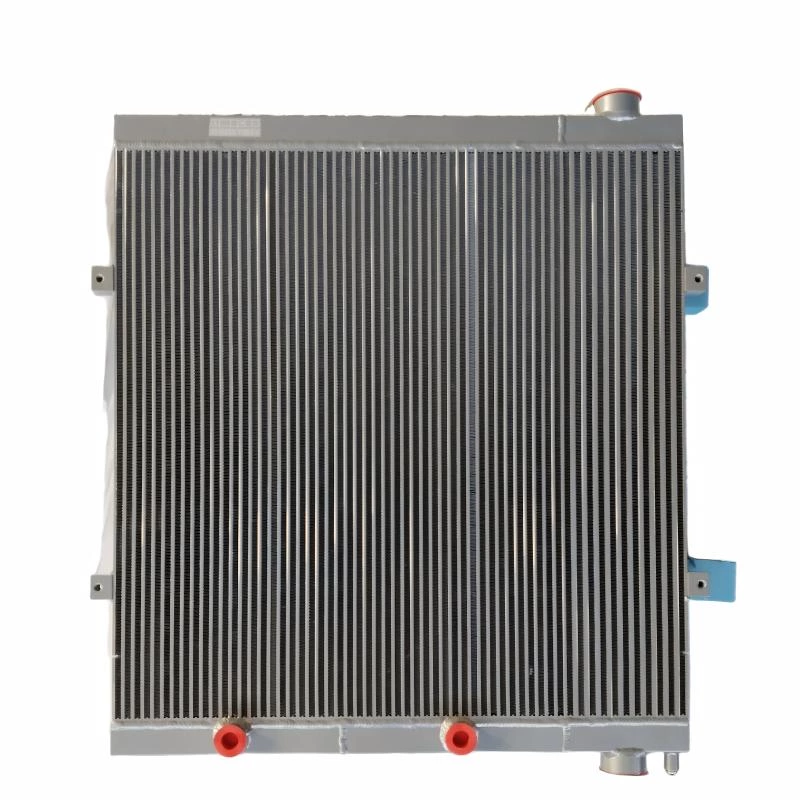
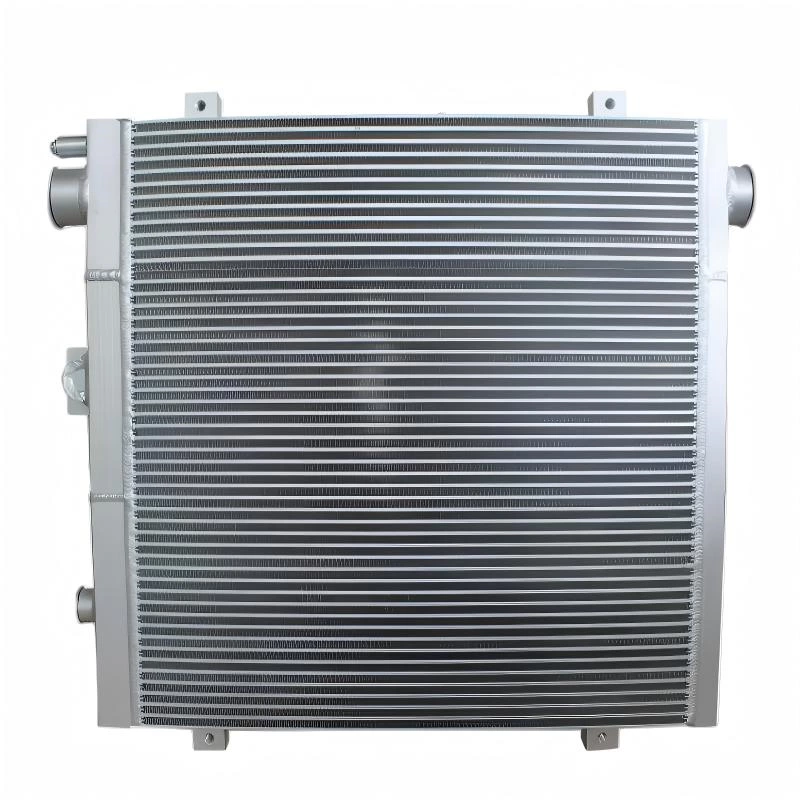
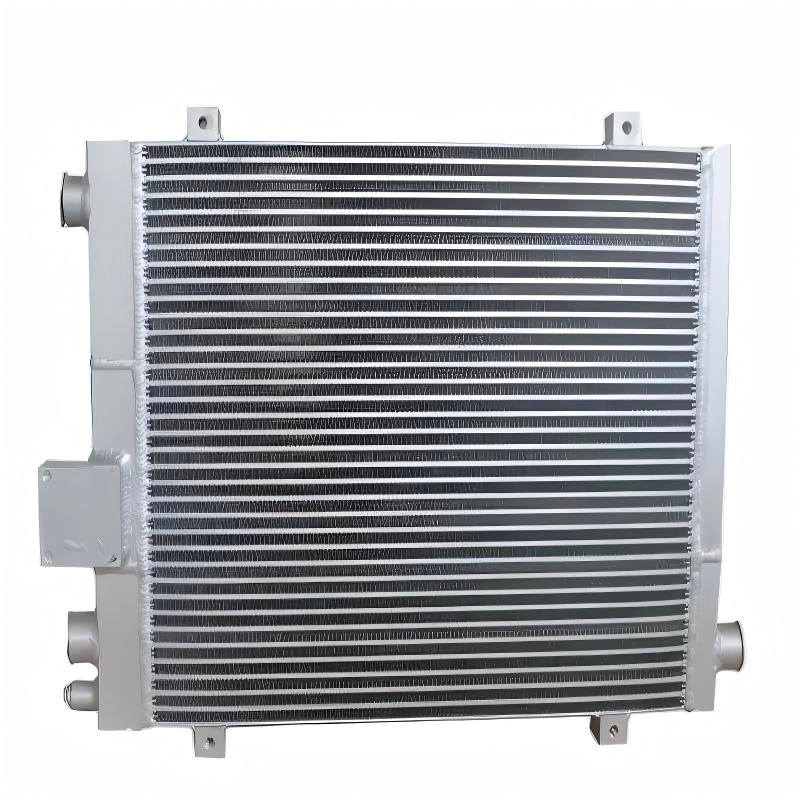
Modern excavators and heavy equipment commonly use aluminum radiators because they provide better heat transfer and lower overall weight.
However, aluminum radiators are also more sensitive to:
- Vibration fatigue
- Corrosion
- Weld cracking
- Fin damage
Unlike older copper-brass radiators, aluminum radiator repair often requires specialized welding equipment and pressure testing. Improper repairs may temporarily stop leaks but fail again under heavy operating pressure.

DIY Radiator Repairs That Actually Make Sense
1. Cleaning Blocked Fins
Dirty fins reduce airflow dramatically.
Use:
- Compressed air
- Low-pressure water
- Soft cleaning brushes
Avoid high-pressure washers because aluminum fins bend easily.
2. Replacing Hoses Before They Fail
Many overheating problems begin with aging hoses rather than the radiator itself.
3. Fixing Small External Leaks Early
Minor leaks around hose joints, drain plugs, or small cracks can often be repaired before structural damage spreads.
When Professional Repair Is Worth It
Professional radiator repair makes sense when:
- The radiator is relatively new
- Damage is localized
- The core is still structurally strong
- OEM replacement cost is very high
- Industrial radiators are difficult to replace quickly
Professional repairs may include:
- Aluminum welding
- Core repair
- Pressure testing
- Tank replacement
- Flow restoration
Radiator Repair vs Replacement: Which Is the Better Choice?
One of the most common questions equipment owners ask is whether repairing the radiator is still worth the cost.
In many situations, professional radiator repair can successfully restore cooling performance, especially when the damage is limited to a small area. However, older radiators with severe corrosion or repeated overheating problems often continue failing even after repair.
| Condition | Repair | Replacement |
|---|---|---|
| Small external leak | Recommended | Usually unnecessary |
| Localized weld crack | Possible | Depends on radiator age |
| Severe internal corrosion | Temporary only | Recommended |
| Multiple leaking areas | Low long-term reliability | Recommended |
| Repeated overheating problems | Often ineffective | Recommended |
For construction machinery and industrial equipment, downtime costs are often much higher than the radiator itself. In these situations, replacing an aging radiator may reduce long-term operating costs more effectively than repeated repairs.
When Radiator Repair Stops Making Financial Sense
1. Multiple Leak Areas
Multiple leaks usually indicate structural fatigue.
2. Severe Corrosion
Internal corrosion cannot truly be reversed.
3. Repeated Overheating
Repeated overheating damages weld joints, cooling tubes, and internal pressure resistance.
4. Heavy Equipment Downtime Costs More Than Replacement
For excavators and construction machinery, downtime itself is expensive.
Why Many Equipment Owners Upgrade Instead of Repairing
Modern heavy-duty replacement radiators often provide:
- Better cooling efficiency
- Stronger aluminum construction
- Improved vibration resistance
- Longer service life
- Higher airflow performance
Our company supplies:
- Excavator radiators
- Other Construction machinery radiators
- Hydraulic oil coolers
- Industrial heat exchangers
- OEM replacement cooling systems
- Custom aluminum radiators
Compatible with CAT, Komatsu, Hitachi, Volvo, Hyundai, SUMITOMO, Kobelco, and other major brands.
If your radiator has severe corrosion, repeated leaks, or declining cooling performance, replacing the unit may ultimately reduce downtime and maintenance costs more effectively than repeated repairs.
View our heavy-duty radiator solutions here.
Final Thoughts
Effective radiator repair is not just about fixing leaks. The real goal is restoring reliable cooling performance and preventing repeated overheating problems.
Some issues are simple enough to handle yourself, especially cleaning, hose replacement, and minor external leaks. However, internal blockage, structural fatigue, severe corrosion, and repeated overheating are often signs that replacement is the better long-term solution.