Working Principle of Automotive Intercoolers
The working principle of automotive intercoolers is based on heat exchange. An automotive intercooler is used to cool the hot compressed air coming from a turbocharger or supercharger before that air enters the engine. By reducing intake air temperature, the intercooler helps increase air density and allows the engine to receive cooler, oxygen-rich air for combustion.
In turbocharged or supercharged engines, the intake air is compressed in order to increase the amount of air entering the cylinders. However, when air is compressed, its temperature rises significantly. Hot compressed air has lower density than cool air, which means it contains less oxygen in the same volume. If this high-temperature air enters the engine directly, combustion efficiency may decrease, power output may be affected, and engine thermal stress may increase.
How Automotive Intercoolers Work
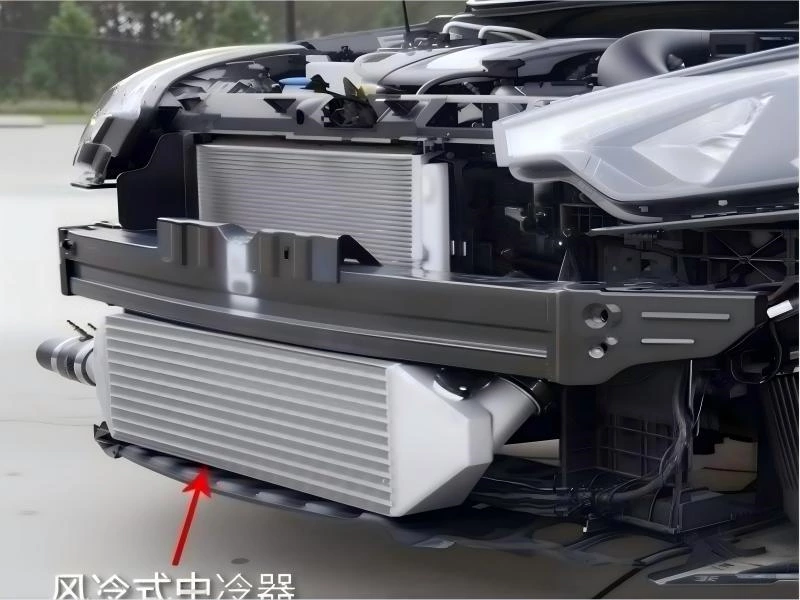
The intercooler is installed between the turbocharger or supercharger and the engine intake manifold. Its job is to lower the temperature of the compressed intake air during this stage of the airflow path.
When hot compressed air leaves the turbocharger, it enters the intercooler core. Inside the intercooler, the air flows through internal passages or channels surrounded by metal walls and fins. At the same time, a cooling medium such as ambient air or coolant removes heat from the outer surface of the intercooler. As heat is transferred away from the compressed air, the intake air temperature drops before the air enters the engine.
This process allows the compressed air to become denser. Denser air contains more oxygen, which helps the engine achieve better combustion after fuel is injected. In this way, the intercooler does not create boost pressure by itself, but it improves the effectiveness of the forced induction system by making the compressed air cooler and more suitable for combustion.
Why Compressed Air Needs Cooling
The need for an intercooler comes directly from the temperature rise caused by air compression. When a turbocharger increases intake pressure, the air gains heat as part of the compression process. Although boost pressure helps the engine take in more air, excessive intake temperature can reduce the benefit of that extra pressure.
Without intercooling, the engine may receive hot intake air with lower oxygen density. This can reduce combustion efficiency and may increase the risk of knocking, unstable performance, or extra thermal load on engine components. The intercooler solves this problem by removing part of the heat before the air reaches the cylinders.
Heat Exchange Process Inside the Intercooler
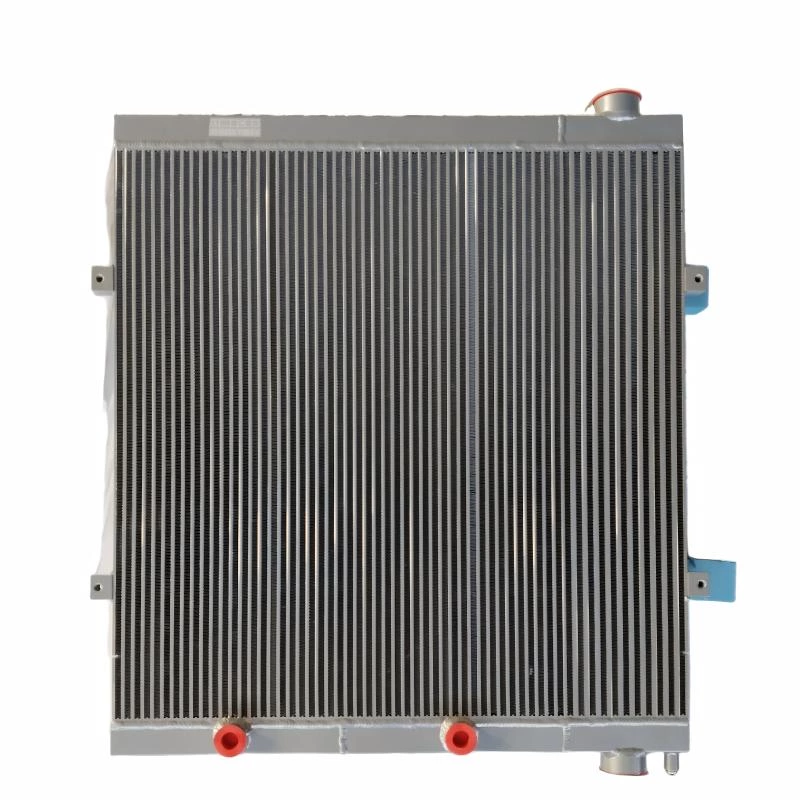
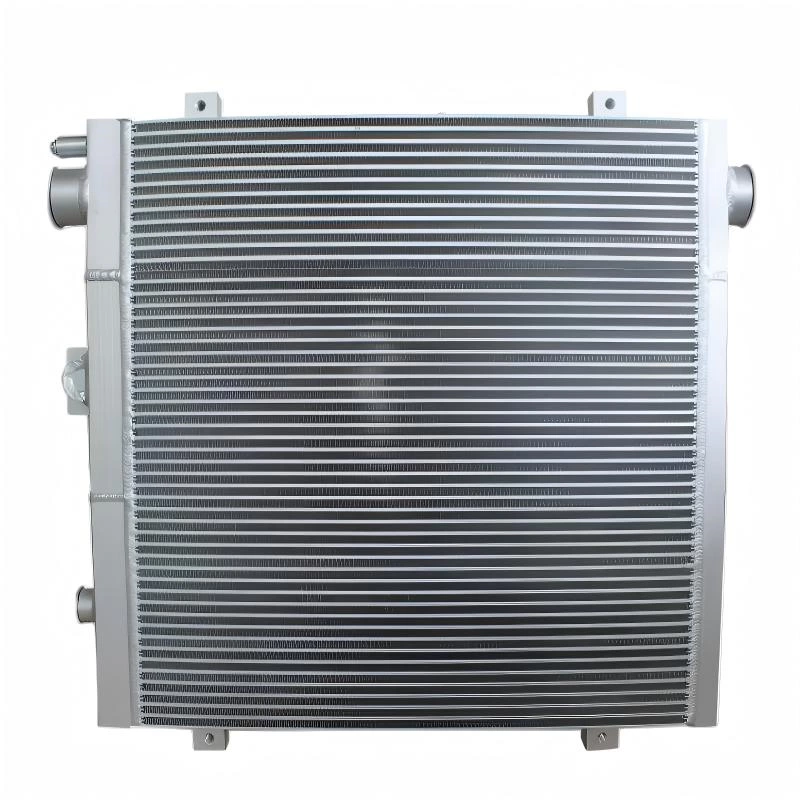
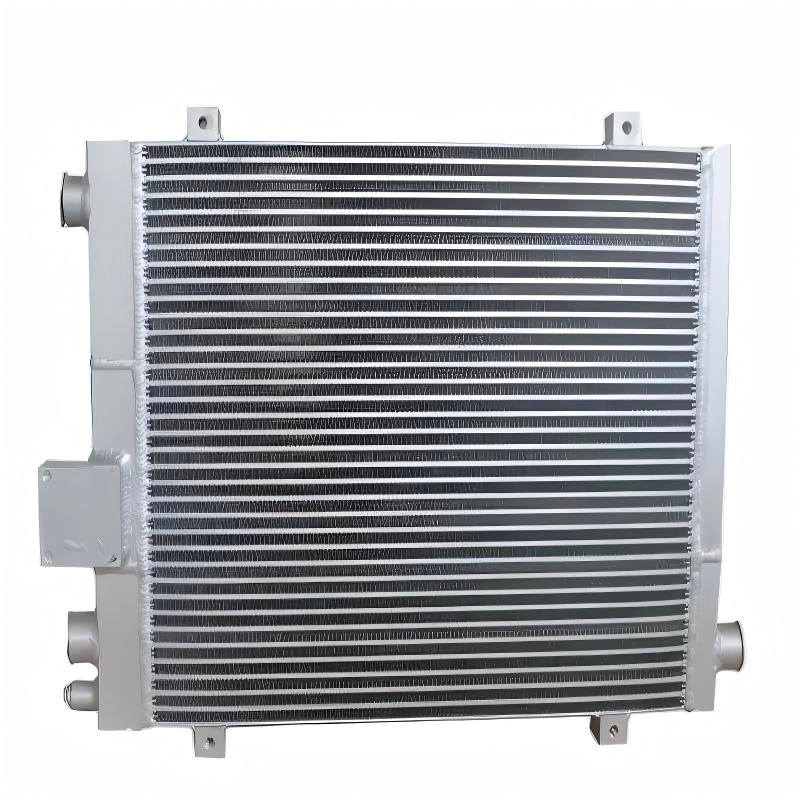
The working principle of automotive intercoolers depends on efficient heat transfer. The intercooler core is usually made of materials with good thermal conductivity, such as aluminum. Inside the core, the hot compressed air passes through narrow channels, while heat is conducted through the metal surfaces to the fins and then released to the cooling medium.
The fins are important because they increase the heat transfer area. A larger heat transfer area allows the intercooler to remove heat more efficiently. As the cooling medium passes over or around the intercooler core, it carries the heat away, and the temperature of the compressed air continues to fall.
This heat exchange process is continuous while the engine is running under boost. The efficiency of the intercooler depends on factors such as airflow, core design, material, ambient conditions, and the temperature difference between the compressed air and the cooling medium.
Air-to-Air and Air-to-Water Cooling Principle
Although the basic working principle is the same, automotive intercoolers can use different cooling media.
In an air-to-air intercooler, outside air flows across the intercooler core and removes heat from the compressed intake air inside. This type relies on vehicle movement and airflow to maintain cooling performance.
In an air-to-water intercooler, coolant absorbs heat from the compressed air through a heat exchanger core. The heated coolant is then circulated through a separate cooling system where the heat is released before the cycle repeats.
In both designs, the goal is the same: to reduce the temperature of compressed intake air before it enters the engine.
How the Intercooler Improves Combustion Conditions
Once the compressed air is cooled, its density increases. Higher-density air allows more oxygen to enter the cylinders, which supports more efficient combustion. This is one of the main reasons intercoolers are used in turbocharged engines.
The intercooler therefore improves the quality of the intake charge rather than simply cooling for the sake of cooling. Lower intake temperature helps the engine use the compressed air more effectively and supports more stable combustion under load.
Working Principle Summary
In summary, the working principle of automotive intercoolers is to cool hot compressed intake air through heat exchange before it reaches the engine. The turbocharger or supercharger raises intake pressure, but also increases air temperature. The intercooler removes this extra heat, increases air density, and helps the engine receive cooler and more oxygen-rich air.
Because of this process, automotive intercoolers are an essential part of many forced induction systems, helping the engine maintain better combustion conditions and more stable performance.