Radiator Core Explained: Types, Materials, and Applications
Introduction
A radiator core is the central heat exchange component in a cooling system, responsible for transferring heat from high-temperature coolant to ambient airflow through a structured combination of tubes and fins. Its performance directly determines the overall thermal efficiency, energy consumption level, and operational stability of industrial and automotive cooling systems, especially under continuous high-load conditions where heat accumulation can quickly affect equipment reliability.

In industrial applications such as construction machinery, heavy-duty trucks, air compressors, agricultural machinery, and hydraulic systems, radiator cores must operate under harsh environments including vibration, dust exposure, and fluctuating thermal loads. Therefore, modern radiator core design is increasingly focused on improving heat transfer efficiency, structural durability, and long-term pressure resistance to ensure stable performance in real-world operating conditions.
From an engineering perspective, the performance of a radiator core is mainly influenced by airflow design, fin density, tube structure, and material selection. Optimizing these parameters allows manufacturers to reduce thermal resistance, improve heat dissipation speed, and enhance system energy efficiency, making radiator cores a critical component in modern thermal management systems.
What Is a Radiator Core?
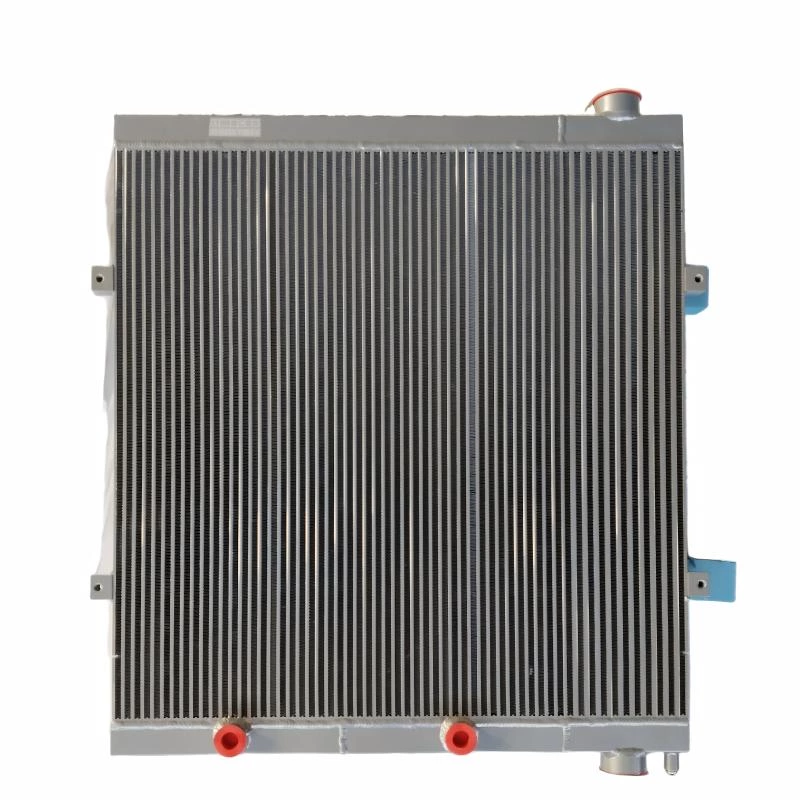
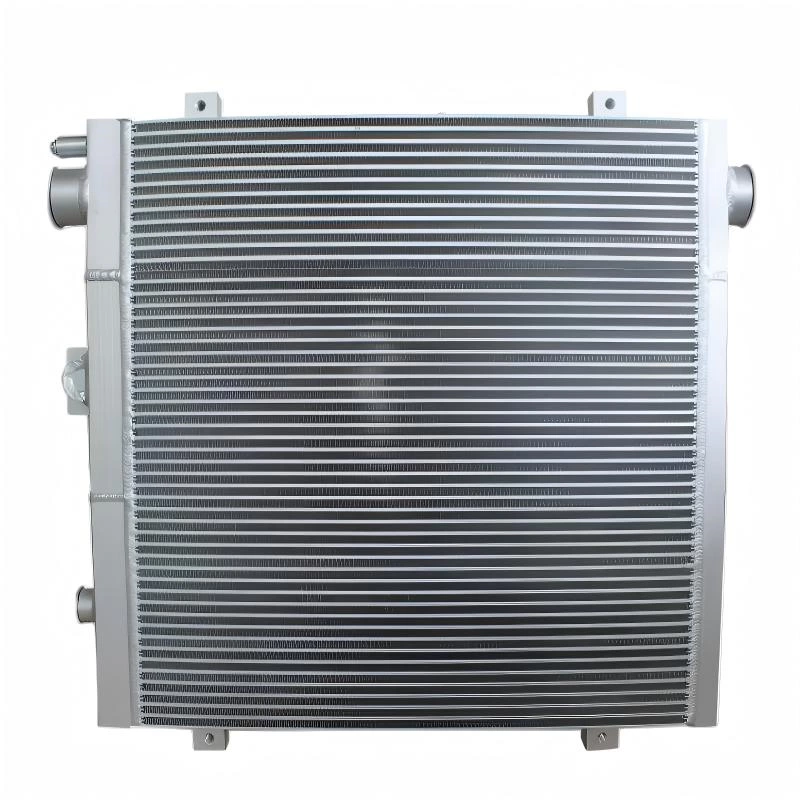
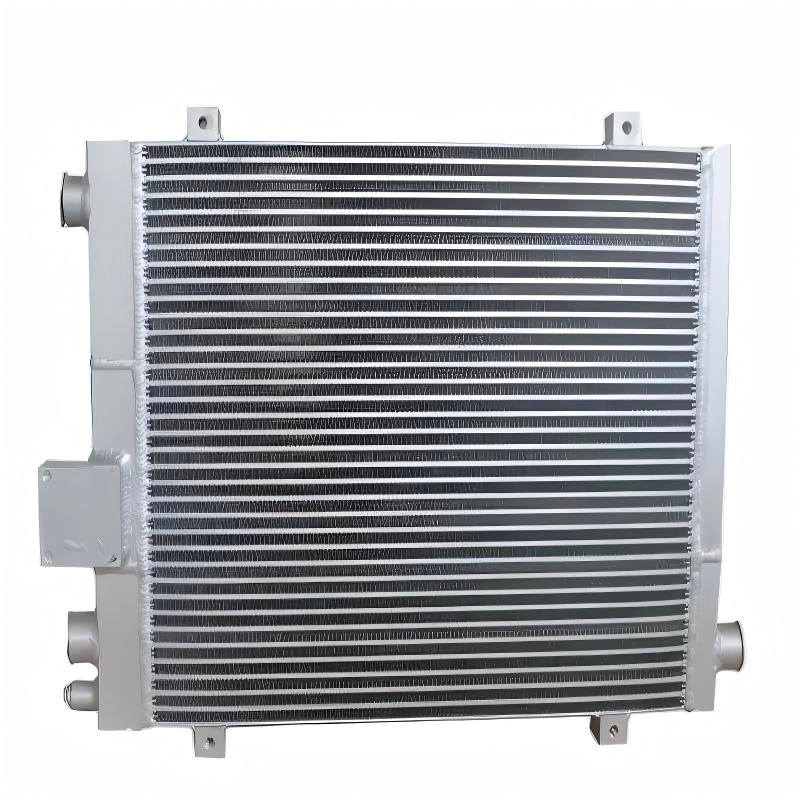
A radiator core is the primary heat exchange section of a radiator where thermal energy from coolant is transferred to air through conduction and convection mechanisms. It is typically composed of multiple parallel tubes and fin structures designed to maximize surface contact area, allowing efficient heat dissipation even in compact installation spaces commonly found in industrial machinery and automotive systems.
The efficiency of a radiator core is determined by how effectively it manages heat transfer between internal fluid flow and external airflow. A well-designed core ensures uniform temperature distribution, minimizes flow resistance, and maintains stable cooling performance under varying engine loads and environmental conditions.
Main Components of a Radiator Core
- Tubes: Carry high-temperature coolant through the core, acting as primary heat conduction channels
- Fins: Increase surface area and accelerate heat dissipation into surrounding airflow
- Headers: Distribute coolant evenly across multiple tubes to maintain balanced flow
- Side plates: Provide structural support and maintain mechanical integrity under vibration and pressure
How a Radiator Core Transfers Heat
Heat transfer inside a radiator core is a continuous thermodynamic process involving conduction, convection, and airflow interaction. Hot coolant flows through internal tubes where heat is conducted through the tube walls, then transferred to the attached fins, which significantly increase the exposed surface area for heat exchange. Finally, forced or natural airflow removes heat from the fin surfaces, allowing the cooled fluid to return to the system and maintain a stable thermal cycle.
Types of Radiator Cores
| Core Type | Structure | Performance | Strength | Applications |
|---|---|---|---|---|
| Tube & Fin Core | Basic structure using circular or flat tubes combined with corrugated fins to provide moderate heat exchange efficiency at low manufacturing cost | Medium | Medium | Passenger vehicles and light-duty cooling systems |
| Plate Fin Core | High-density fin structure designed to maximize surface contact area and improve heat transfer efficiency in compact systems | High | Medium | Air compressors and industrial cooling systems |
| Bar & Plate Core | Fully brazed reinforced aluminum structure designed for high-pressure and high-vibration environments | Very High | Very High | Heavy-duty machinery and off-road equipment |
| Multi-Row Core | Multi-layer tube arrangement designed to increase coolant contact time and overall heat exchange volume | Very High | High | Mining equipment and high thermal load systems |
Common Radiator Core Materials
| Material | Heat Transfer | Weight | Corrosion Resistance | Cost |
|---|---|---|---|---|
| Aluminum | Excellent thermal conductivity with strong balance between weight and heat dissipation performance, widely used in modern OEM systems | Light | Excellent | Medium |
| Copper | Very high thermal conductivity but limited by weight and cost, used in specialized or legacy systems | Heavy | Moderate | High |
| Brass | Stable heat transfer performance with good corrosion resistance, commonly found in older industrial equipment | Heavy | Good | High |
Aluminum Radiator Core: Aluminum radiator cores dominate modern industrial applications due to their excellent balance between thermal conductivity, weight reduction, and corrosion resistance. They are widely used in OEM manufacturing because they support high-volume production, reduce fuel consumption in mobile equipment, and maintain stable thermal performance under continuous vibration and pressure conditions.
Copper and Brass Radiator Cores: Copper radiator cores provide superior heat transfer efficiency but are heavier and more expensive, making them suitable mainly for specialized applications where thermal performance is prioritized over weight. Brass cores, on the other hand, offer good durability and corrosion resistance, and are often found in traditional industrial systems or legacy equipment where long-term robustness is required.
How Radiator Cores Are Manufactured

Radiator core manufacturing involves precision forming, stacking, and high-temperature vacuum brazing processes designed to create a strong metallurgical bond between aluminum components. Each fin, tube, and plate is carefully assembled to ensure uniform heat distribution and structural stability, especially in systems that operate under high pressure and vibration conditions.
After brazing, every radiator core undergoes strict pressure testing and leak detection procedures to ensure structural integrity, eliminate micro-leaks, and verify performance under real operating conditions before shipment.
Applications of Radiator Cores
| Industry | Cooling Medium | Equipment |
|---|---|---|
| Construction Machinery | Engine coolant systems operating under high vibration and dust exposure conditions | Excavators and loaders |
| Air Compressors | Oil and air cooling systems requiring continuous thermal stability | Screw compressors |
| Heavy Trucks | Engine cooling systems designed for long-distance and high-load operation | Diesel trucks |
| Agricultural Equipment | Cooling systems operating in dusty and high-temperature environments | Tractors and harvesters |
| Industrial Systems | Hydraulic oil cooling for continuous operation machinery | Hydraulic power units |
How to Choose the Right Radiator Core
Selecting the right radiator core requires evaluating system thermal load, operating environment, structural constraints, and material compatibility to ensure long-term reliability and optimal cooling performance. Incorrect selection may lead to overheating, efficiency loss, or premature system failure, especially in high-duty industrial applications.
- Cooling capacity: must match actual heat load requirements of the system
- Operating pressure: core structure must withstand system pressure without deformation
- Environmental conditions: high-temperature or dusty environments require enhanced designs
- Installation space: compact systems require high-density fin structures
- Material selection: aluminum is preferred for most modern OEM applications
Conclusion
Radiator cores are a fundamental component in modern thermal management systems, directly affecting cooling efficiency, energy consumption, and equipment reliability. A well-designed radiator core ensures stable operation across a wide range of industrial applications and is essential for maintaining long-term system performance under demanding working conditions.