How Leak Testing Ensures Heat Exchanger Reliability
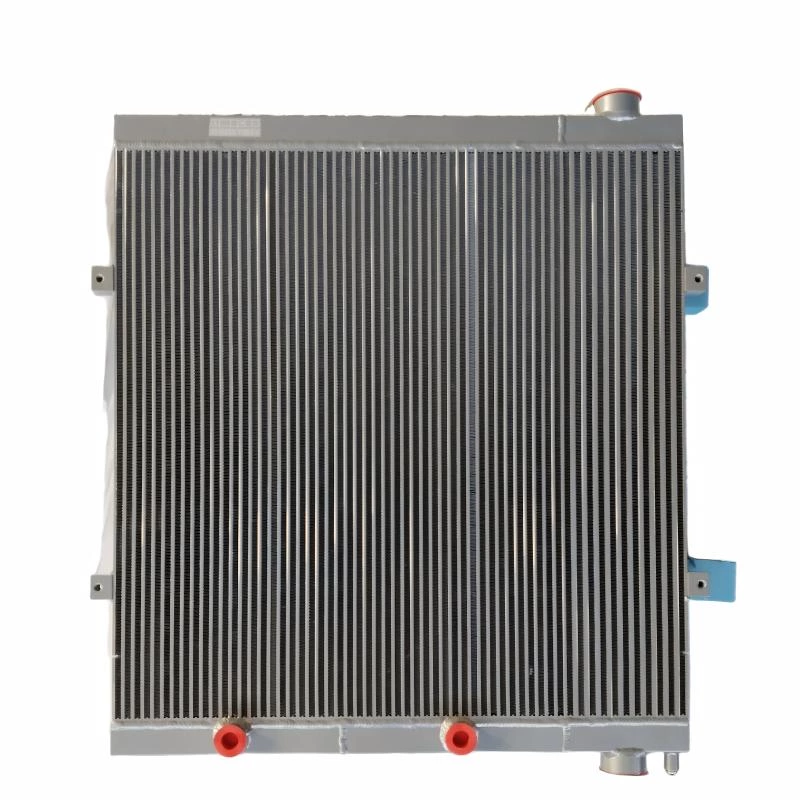
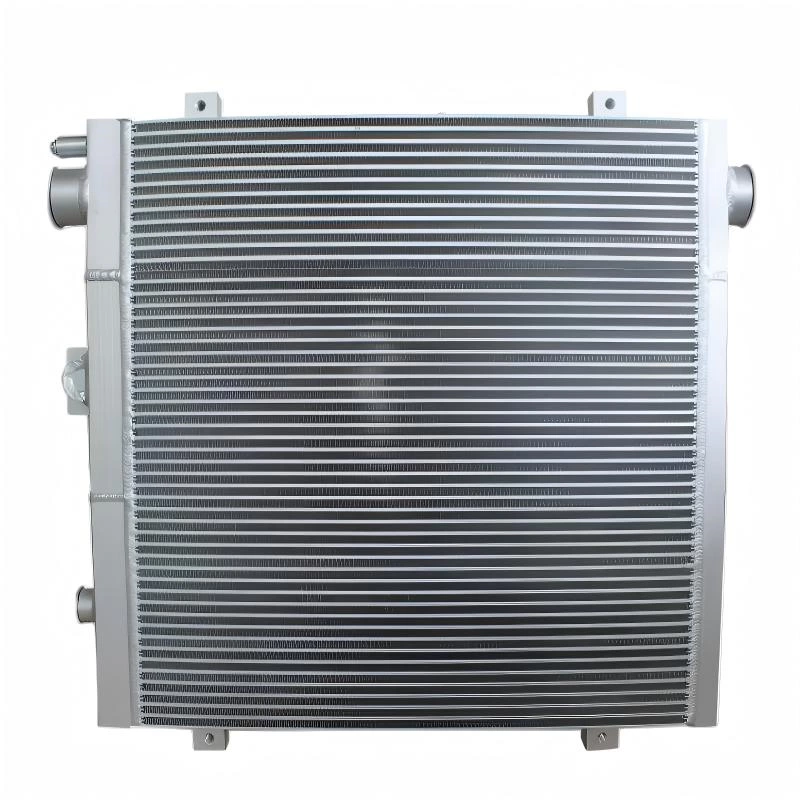
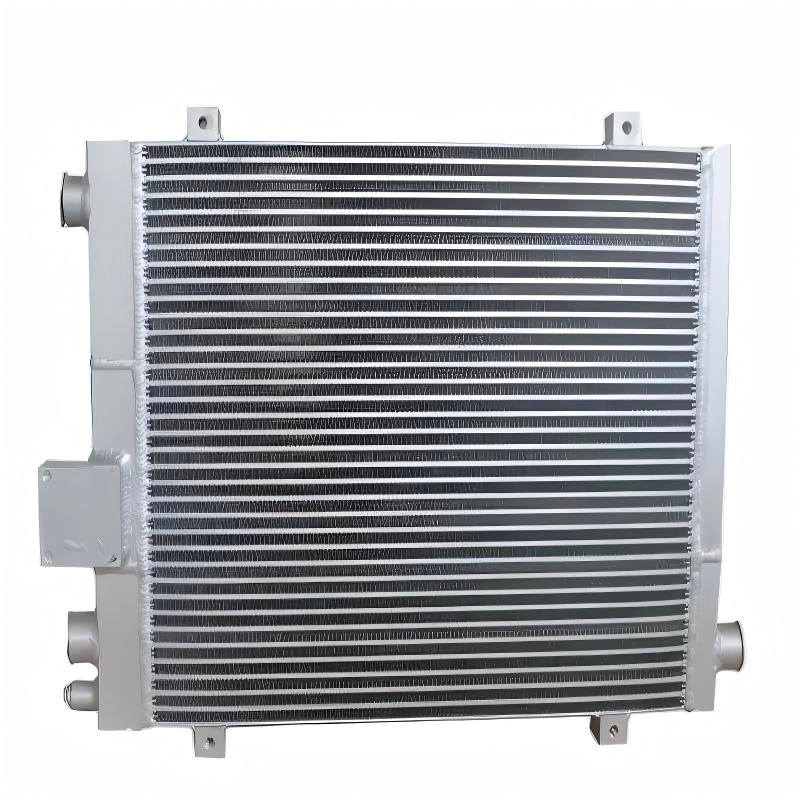
Leak testing heat exchanger systems is a critical part of industrial quality assurance and heat exchanger integrity testing. It ensures long-term reliability, pressure stability, and thermal performance in demanding operating environments.
Why Heat Exchanger Leak Testing Matters
Heat exchangers operate under continuous pressure cycles, thermal expansion, and vibration stress. Without proper heat exchanger leak testing, even micro-leaks can lead to efficiency loss, contamination, or system failure.
- Maintain pressure stability in industrial systems
- Ensure long-term thermal efficiency
- Prevent coolant, air, or oil leakage
- Improve overall system reliability
Integrity Risks in Heat Exchanger Manufacturing
The reliability of a heat exchanger is determined not only by design engineering but also by manufacturing integrity. Processes such as brazing, welding, and assembly introduce microscopic structural risks that may not be visible during standard inspection but can evolve into leakage failures during long-term operation. For this reason, heat exchanger leak testing plays a critical role in validating production quality before deployment.

Brazing and Welding Defects
Brazing and welding define the primary structural bonding of heat exchangers, especially in aluminum plate-fin and tube-based systems. Any deviation in process control can introduce internal weaknesses that compromise sealing performance.
Typical defect mechanisms:
- Micro-voids caused by insufficient brazing temperature control
- Incomplete fusion at weld interfaces
- Flux contamination leading to corrosion-prone areas
- Internal capillary channels that enable slow leakage paths
These defects are particularly critical because they are often undetectable through visual inspection alone and may only appear under pressure cycling or thermal loading.
Thermal Fatigue and Stress Accumulation
During operation, heat exchangers experience continuous thermal expansion and contraction. This cyclic loading gradually introduces stress concentration at structural interfaces, weakening material bonds over time.
Typical failure behavior:
- Mismatch in thermal expansion between fins, tubes, and headers
- Stress concentration at brazed or welded joints
- Fatigue crack initiation under repeated thermal cycles
- Progressive degradation under long service life
In high-duty environments such as compressors, mining equipment, and heavy machinery, thermal fatigue is a leading cause of delayed leakage failures.
Assembly-Induced Weak Points
Even when individual components meet manufacturing standards, the assembly stage introduces additional mechanical and sealing interfaces that affect final integrity. These interfaces are often the most sensitive part of the entire system.
Common weak zones:
- Tube-to-header connection areas
- Sealing surface misalignment during assembly
- Localized deformation caused by fixture pressure
- Improper torque distribution in mechanical joints
Assembly-related stress can significantly reduce sealing reliability, making post-assembly heat exchanger integrity testing essential for final quality assurance.
Engineering Summary
Manufacturing risks in heat exchangers are typically latent, meaning they do not appear immediately after production but develop over time under operating stress. Therefore, modern production systems rely on multi-stage heat exchanger leak testing to identify and eliminate potential failure units before shipment.
Brazing defects → internal micro-leak paths
Thermal fatigue → progressive structural weakening
Assembly stress → interface sealing instability
Common Leakage Impacts
| Leak Type | System Impact |
|---|---|
| Coolant leakage | Overheating and reduced efficiency |
| Air leakage | Pressure instability |
| Oil leakage | Lubrication failure |
| Micro-leaks | Long-term performance degradation |
Industrial Heat Exchanger Leak Testing Methods
Industrial heat exchanger reliability depends heavily on accurate and repeatable leak testing methods. Different testing technologies are used depending on production volume, sensitivity requirements, and application criticality. Below are the most widely used industrial-grade heat exchanger leak testing methods.

Pressure Decay Test
The pressure decay test is one of the most widely used methods in mass production environments. It evaluates sealing integrity by pressurizing the heat exchanger and monitoring pressure stability over time.

How it works
- The heat exchanger is sealed and filled with air or nitrogen
- A defined pressure level is applied and stabilized
- System pressure is monitored for any drop over time
Key advantages
- Short cycle time suitable for production lines
- Low testing cost per unit
- Easy integration into automated inspection systems
- Reliable for detecting medium-to-large leakage defects
Limitations
- Limited sensitivity for micro-leak detection
- Cannot precisely locate leakage position
Helium Mass Spectrometry Testing
Helium leak testing is the most sensitive method used in heat exchanger integrity testing. It is widely applied in high-performance systems where micro-leak control is critical.
Working principle
Helium gas is introduced into the system, and a mass spectrometer detects even extremely small leakage amounts escaping from the structure.
Key advantages
- Ultra-high sensitivity (detects micro and nano-level leakage)
- Ideal for EV thermal systems and aerospace applications
- High repeatability and quantitative results
- Suitable for strict OEM quality standards
Limitations
- Higher equipment and operational cost
- Requires controlled testing environment
Vacuum Leak Testing
Vacuum testing evaluates sealing performance under negative pressure conditions, making it suitable for sealed or closed-loop heat exchanger systems.
Key advantages
- Effective for sealed system verification
- High stability and repeatability
- Can simulate reverse pressure conditions
- Useful for long-duration stability testing
Typical applications
- Hydraulic oil coolers
- Industrial sealed cooling modules
- High-reliability thermal systems
Water Immersion (Bubble) Test
The water immersion test is a traditional and visual method used for basic leak identification. It is commonly applied in early-stage inspection or low-cost production environments.
Process overview
- Heat exchanger is pressurized with air
- Component is submerged in water
- Bubble formation indicates leakage points
Key advantages
- Simple and low-cost implementation
- Direct visual confirmation of leakage
- Useful for troubleshooting and prototype testing
Limitations
- Low sensitivity for micro-leaks
- Not suitable for precision industrial applications
- Manual interpretation may reduce consistency
Engineering Summary
In modern industrial production, heat exchanger leak testing is no longer a single-method process. Instead, manufacturers combine multiple testing methods to balance cost, speed, and sensitivity.
- Pressure decay → production efficiency control
- Helium testing → precision leak detection
- Vacuum testing → system stability verification
- Water immersion → basic visual inspection
Pressure Decay vs Helium Leak Testing
| Method | Sensitivity | Application |
|---|---|---|
| Pressure Decay | Medium | Mass production |
| Helium Test | Very High | High-end industrial systems |
Heat Exchanger Quality Standards
- No detectable leakage under rated pressure
- Stable performance under thermal cycling
- Batch traceability in production
- OEM reliability compliance
How Leak Testing Improves Reliability
- Improves efficiency: prevents fluid loss and heat transfer degradation
- Enhances safety: avoids system failure under pressure
- Reduces cost: lowers maintenance and warranty risk
- Extends lifespan: improves long-term durability
Applications Requiring Strict Leak Testing
Heat exchangers operate under different mechanical, thermal, and fluid stress conditions depending on the application. Therefore, heat exchanger leak testing requirements vary significantly across industries, especially where pressure stability, fluid purity, and long-term reliability are critical.

Air Compressor Cooling Systems
Air compressor systems run under continuous pressure cycling and elevated discharge temperatures, making sealing integrity a core performance requirement.
- Pressure instability risk: Even micro-leaks reduce system efficiency and output stability
- Oil contamination risk: Internal leakage may cause oil–air mixing and downstream contamination
- Thermal overload risk: Reduced cooling efficiency leads to overheating shutdown
- Energy loss: Air leakage increases power consumption under constant load
For this reason, pressure decay testing and helium-based heat exchanger leak testing methods are widely used in compressor cooler production.
Construction Machinery Radiators
Excavators, loaders, and mining equipment operate in harsh environments with constant vibration, dust exposure, and variable load conditions.
- Vibration fatigue: Long-term mechanical stress causes micro-cracks at joints
- Tube-to-header stress: Thermal expansion mismatch leads to structural weakening
- Dust corrosion: Contaminants accelerate surface degradation over time
- Field failure cost: Repair is difficult and expensive in remote environments
Strict heat exchanger integrity testing ensures radiators can withstand long-term operation without leakage in high-load construction environments.
Hydraulic Oil Coolers
Hydraulic systems rely on sealed fluid circuits to maintain pressure transmission and lubrication performance. Even small leakage can cause system-wide failure.
- Pressure loss: Affects actuator response and system accuracy
- Lubrication failure: Leads to increased friction and wear
- Contamination risk: Oil leakage introduces instability in closed systems
- Safety hazard: High-temperature oil leakage increases fire risk
Vacuum leak testing and helium mass spectrometry are commonly used to ensure zero-leak performance in hydraulic cooling applications.
Automotive & EV Thermal Systems
Modern automotive and EV thermal systems require extremely precise temperature control for batteries, inverters, and power electronics.
- Battery thermal imbalance: Micro-leaks affect coolant distribution
- Inverter overheating: Reduced cooling efficiency impacts performance
- Air ingress risk: Causes cavitation and unstable flow behavior
- Efficiency loss: Even small leaks reduce system thermal accuracy
Because of strict operating tolerances, helium-based heat exchanger leak testing is often required for EV-grade thermal components.
Industrial Power & Energy Systems
Power generation and continuous industrial systems require 24/7 stable operation, where reliability is more important than short-term performance.
- Long-cycle fatigue: Gradual leakage development over time
- Efficiency degradation: Coolant loss reduces energy conversion efficiency
- Downtime cost: System shutdown leads to significant operational losses
- Undetected leakage: Small leaks accumulate into major failures
Therefore, full-system integrity testing is required to ensure long-term operational stability and lifecycle reliability.
Engineering Summary
Across all industrial applications, heat exchanger leak testing ensures three fundamental requirements:
- Stable pressure performance under dynamic operating conditions
- Zero tolerance for micro-leaks in sealed systems
- Long-term reliability under thermal cycling and vibration stress
FAQ: Heat Exchanger Leak Testing
What is heat exchanger leak testing?
It is a quality control process used to detect leakage and ensure structural integrity of heat exchangers.
Which method is most accurate?
Helium mass spectrometry offers the highest sensitivity for micro-leak detection.
Why is leak testing important?
It prevents efficiency loss, system failure, and ensures long-term reliability.
Can micro-leaks affect performance?
Yes, even tiny leaks can significantly reduce thermal efficiency over time.
What industries require strict leak testing?
Air compressors, automotive, construction machinery, and energy systems require strict testing standards.
Conclusion
Leak testing heat exchanger systems is not optional—it is a core requirement for industrial reliability. From pressure decay testing to helium detection, each method ensures that heat exchangers meet strict performance and safety standards.
In modern industrial applications, leak-free performance defines system stability, efficiency, and lifecycle value.