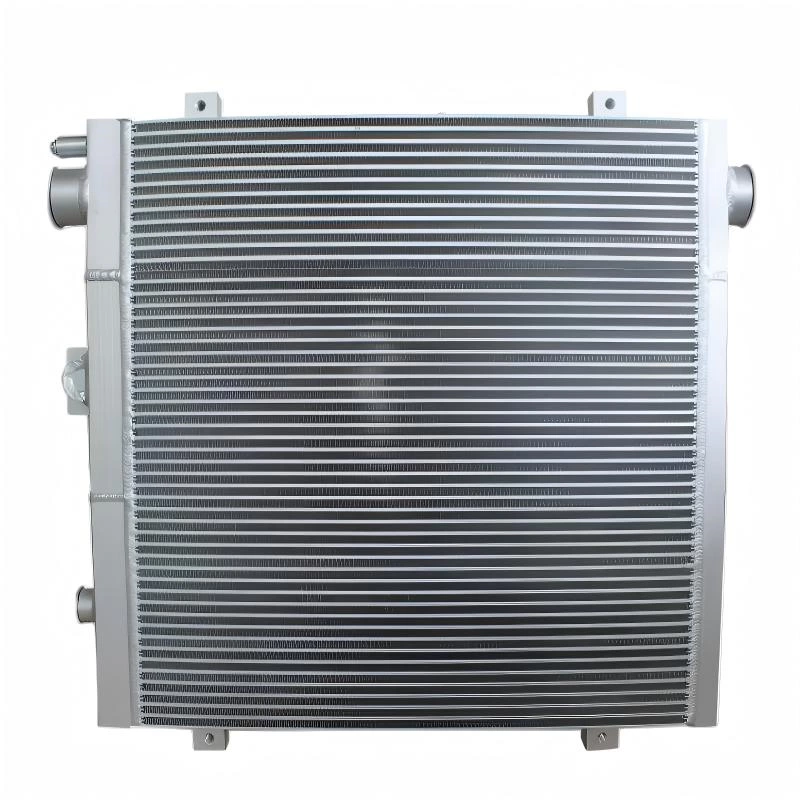
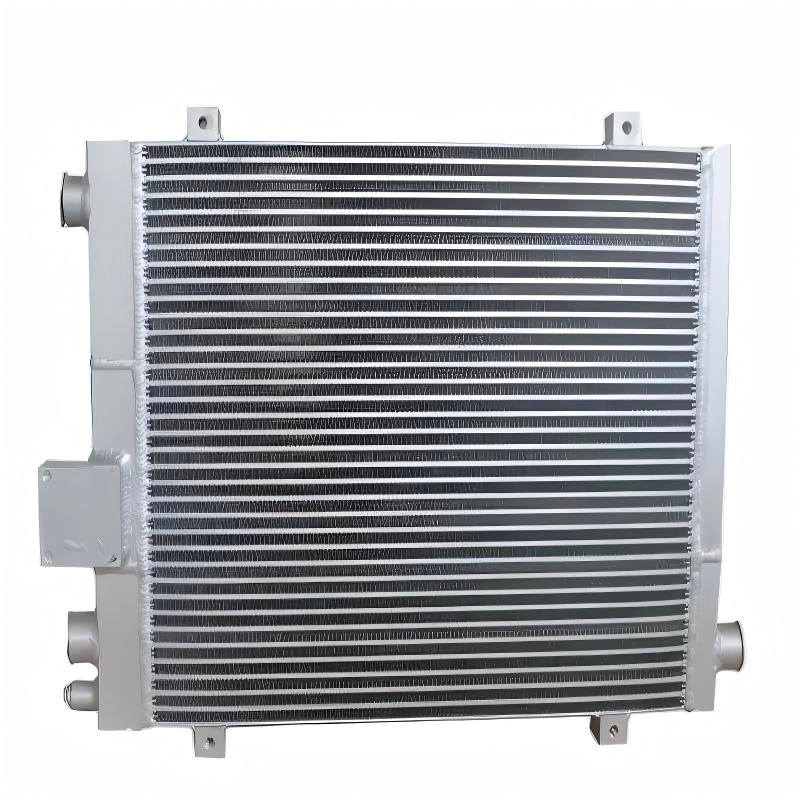
How To Choose The Right Aluminum Plate-fin Heat Exchanger For Different Applications
In industrial systems, cooling problems do not always start with the cooler itself. More often, they appear as rising oil temperature, unstable air performance, or equipment that cannot stay efficient under continuous load. In many cases, the real issue is that the cooler was not properly matched to the application.
That is why choosing the right aluminum plate fin cooler matters. A suitable cooler is not simply one that fits the space. It should also match the working medium, heat load, pressure, flow rate, and operating environment.
Why selection matters
A cooler plays a direct role in system stability. If it is too small, the system may overheat. If it is not matched correctly, pressure drop, poor cooling, or premature failure may become a problem.
In hydraulic systems, poor cooling can shorten oil life and increase wear on seals and components. In air compressor systems, insufficient cooling can affect efficiency and continuous operation. In heavy-duty applications, it can also increase downtime risk.
Why aluminum plate fin coolers are widely used
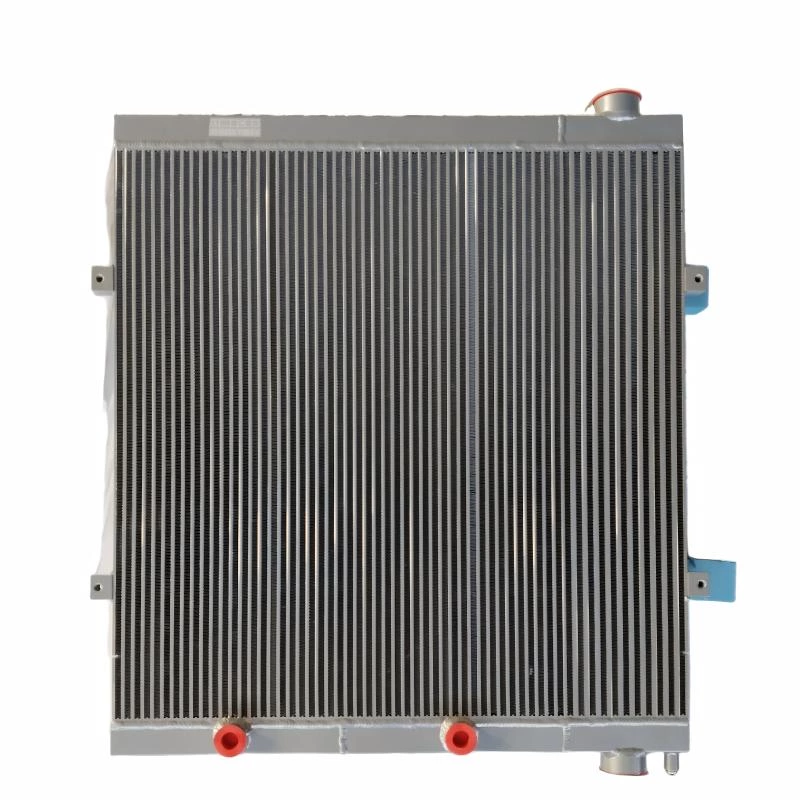
Aluminum plate fin coolers are popular because they offer efficient heat transfer in a compact structure. They are lightweight, space-saving, and suitable for different industrial layouts.
They are commonly used for:
- hydraulic oil cooling
- lubricating oil cooling
- compressed air cooling
- coolant and charge air cooling
Their flexible design also makes them suitable for both standard and custom industrial projects.
Start with the application
The first step is not choosing a model. The first step is understanding the system.
Different applications have different priorities. An air compressor cooler may focus on continuous operation and airflow. A hydraulic cooler may focus more on oil temperature stability and pressure resistance. Construction equipment may also need better vibration resistance and easier maintenance in dusty environments.
That is why cooler selection should always begin with actual working conditions.
Key Factors to Consider
1. Cooling Medium
The first step is to identify exactly what needs to be cooled. In industrial applications, the medium may be hydraulic oil, lubricating oil, compressed air, coolant, or charge air. Each one behaves differently in terms of flow, viscosity, and heat transfer, so the cooling requirement is never exactly the same. That is why a cooler that works well in one system may not be the right choice for another. Understanding the medium clearly helps determine the most suitable structure, passage design, and overall cooling approach from the beginning.
2. Heat Load and Cooling Capacity
A cooler should be selected based on the actual amount of heat that needs to be removed, not just on its overall size. This usually depends on inlet temperature, target outlet temperature, equipment load, and whether the system runs continuously or in cycles. In many industrial systems, the main challenge is not temporary cooling, but maintaining stable thermal performance under long working hours and full-load operation. If the heat load is underestimated, the system may still run too hot even though the cooler appears large enough on paper.
3. Working Pressure and Flow Conditions
Pressure is a critical factor in many industrial cooling systems, especially in hydraulic and compressor applications. Normal operating pressure should be considered, but pressure peaks and safety margin are also important. At the same time, flow rate affects both cooling efficiency and internal resistance. If the pressure and flow conditions do not match the cooler design, the result may be poor heat exchange performance, excessive pressure drop, or reduced system reliability. A good selection should always look at pressure and flow together rather than treating them as separate issues.

4. Installation Space and System Layout
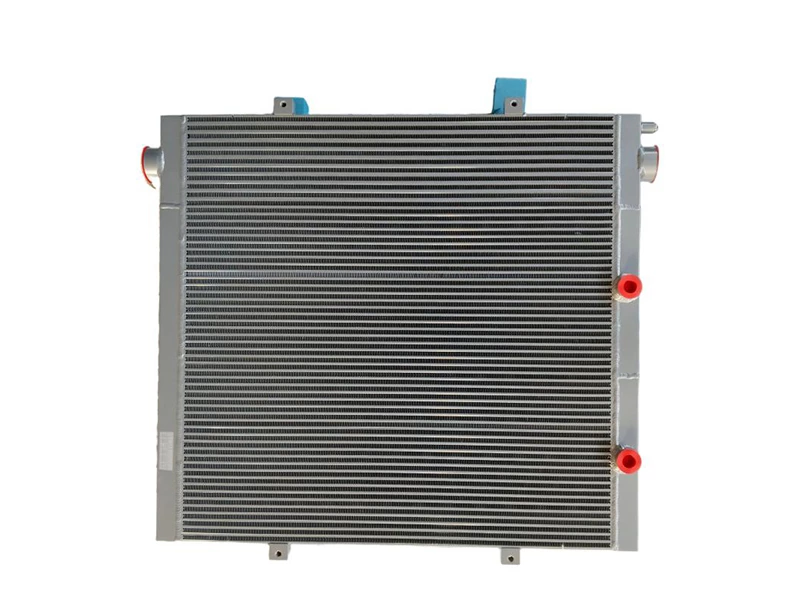
In practice, cooler selection is often limited by installation conditions. It is not enough to know whether the unit can fit into the available area. Port direction, mounting method, surrounding airflow, and access for maintenance all affect whether the cooler will work properly after installation. In some systems, a product may fit the space in theory but still create problems during piping, servicing, or airflow arrangement. Looking at the full system layout early helps avoid mismatched designs and unnecessary modification later.
5. Operating Environment and Durability
Industrial coolers often work in conditions that are far more demanding than a controlled indoor environment. Dust, vibration, high ambient temperature, corrosion, and outdoor exposure can all affect long-term performance. For example, equipment used in construction, mining, or heavy-duty industrial applications usually requires stronger durability and more stable cooling under harsh working conditions. That is why cooler selection should not focus only on initial heat transfer performance. Long-term reliability in the actual operating environment is just as important.
Selection priorities by application
Air compressor systems
For compressor systems, key concerns usually include discharge temperature, continuous duty, pressure, and available installation space.
Hydraulic systems
For hydraulic systems, the goal is often to keep oil temperature stable, protect viscosity, and maintain long-term reliability under varying loads.
Construction and heavy-duty equipment
These applications usually require stronger durability because the cooler may face dust, vibration, and harsh outdoor conditions.
Custom industrial projects
When space is limited or the required performance is more specific, a custom aluminum plate fin cooler is often the better choice.
Standard or custom?
A standard cooler may be enough for stable and common operating conditions. But when the project involves non-standard dimensions, special port layout, higher pressure, or OEM replacement needs, a custom cooler usually makes more sense.
Common mistakes
Some common selection mistakes include:
- choosing by size alone
- ignoring pressure drop
- overlooking the working environment
- using a standard cooler for a non-standard system
- focusing only on initial cost
A cooler that looks suitable may still perform poorly if these factors are ignored.

What information should be prepared
Before asking for a recommendation, it is helpful to prepare:
- application type
- cooling medium
- inlet and outlet temperature
- working pressure
- flow rate
- installation space
- connection type
- operating environment
- standard or custom requirement
Conclusion
The right aluminum plate fin cooler is not simply the largest or the most expensive option. It is the one that matches the actual needs of the system.
By considering heat load, pressure, flow rate, space, and environment together, you can choose a cooler that supports better efficiency, stable operation, and longer service life.
If your project has special pressure, space, or performance requirements, a custom aluminum plate fin cooler may be the more practical solution.