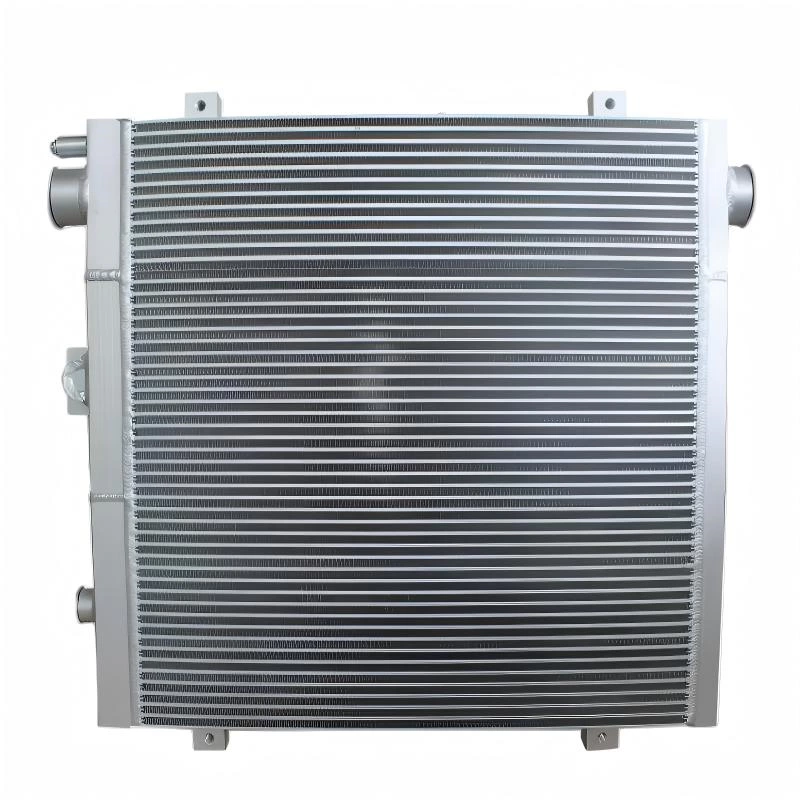
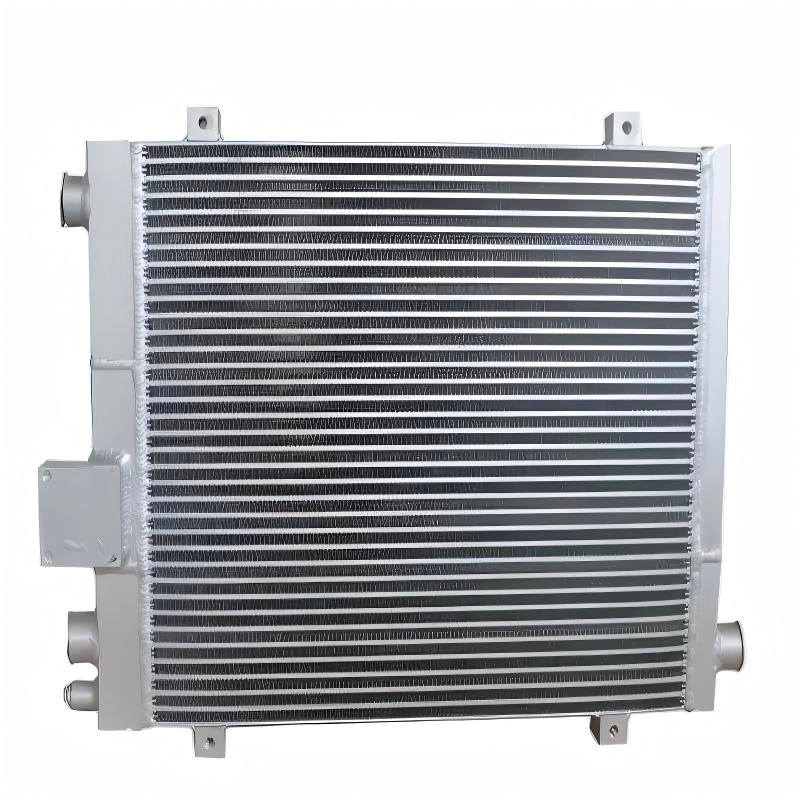
Common Causes of Air Compressor Overheating and How to Solve Them
Air compressors are designed to operate under continuous industrial load, but excessive heat can quickly reduce system efficiency and reliability. When operating temperature rises beyond the normal range, compressed air performance may decline, lubricant life can shorten, and internal components may experience accelerated wear.
In many industrial applications, overheating is not caused by a single failure. It is often related to restricted airflow, insufficient cooling capacity, poor ventilation, or cooling systems that no longer match actual operating conditions. Understanding the root cause is the first step toward improving thermal performance and reducing unexpected downtime.
1. Blocked Cooler Fins or Restricted Airflow
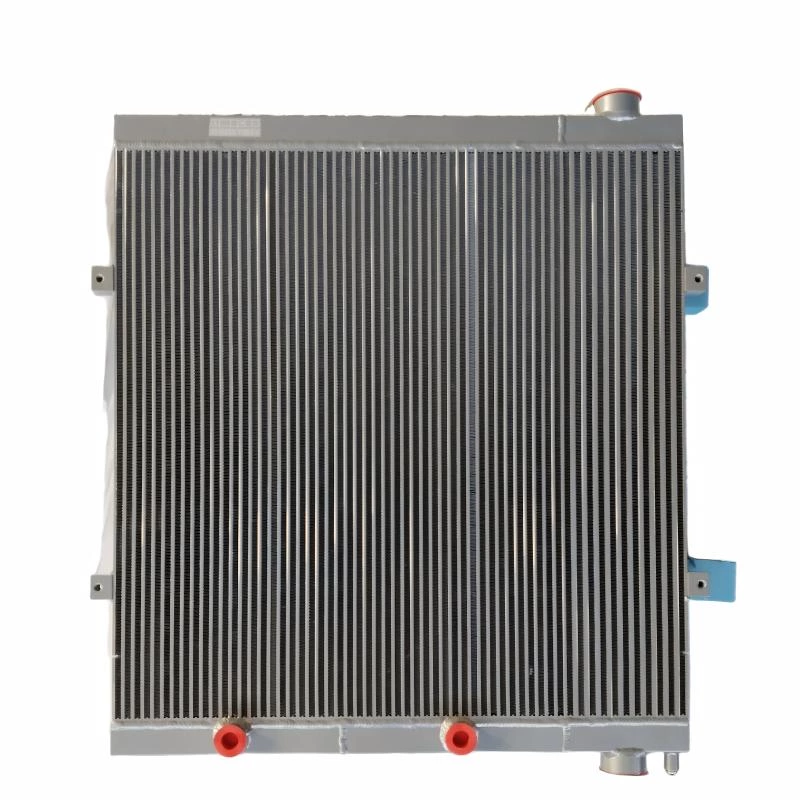
One of the most common causes of air compressor overheating is restricted airflow through the cooler. Dust, oil residue, and airborne debris gradually accumulate on radiator or cooler fins, reducing the effective heat exchange area.
This issue is especially common in workshops, construction sites, mining environments, and other industrial locations where airborne particles are heavy. Even a well-designed air compressor cooler can lose efficiency if the external cooling surface is not kept clean.
Regular cleaning of cooler fins, fan assemblies, and surrounding ventilation areas can significantly improve cooling efficiency and help maintain stable operating temperature.
2. Cooling Capacity Does Not Match the System
In some compressor systems, the installed cooler may simply be too small for the actual operating load. This commonly happens in high-temperature environments, long-duration operating cycles, or systems that have been upgraded without improving the cooling system.
If the cooler cannot remove heat quickly enough from compressed air and lubricating oil, operating temperature will continue rising during use. This is frequently seen in continuous-duty screw air compressor systems.
Using a properly matched air compressor cooler with suitable cooling capacity, optimized core structure, and proper installation layout is essential for long-term thermal stability.
3. High Ambient Temperature
The surrounding environment has a direct impact on cooling performance. When ambient temperature is already high, the temperature difference between the working fluid and surrounding air becomes smaller, reducing overall heat transfer efficiency.
As a result, compressors that operate normally in mild conditions may overheat during summer operation, inside enclosed rooms, or in poorly ventilated installations.
Improving ventilation, increasing airflow, or upgrading to a more efficient aluminum cooling system can help reduce operating temperature under demanding conditions.
4. Insufficient Oil Cooling
Lubricating oil plays an important role in compressor operation. In addition to reducing friction, it also helps carry heat away from internal components. If oil cooling performance becomes insufficient, oil temperature rises, lubrication quality declines, and compressor efficiency may gradually decrease.
For this reason, many stationary screw air compressor systems use integrated oil coolers and aftercoolers to maintain stable thermal balance during continuous operation.
If oil temperature remains consistently high, operators should inspect both oil condition and cooler performance rather than focusing only on airflow problems.
5. Poor System Layout or Installation
Sometimes the cooler itself is not the main problem. Overheating can also result from poor installation layout, limited airflow paths, or equipment arrangements that trap hot air around the compressor system.
In compact industrial systems, the relationship between fan position, cooler placement, and surrounding structure directly affects heat dissipation efficiency.
An optimized installation layout can improve airflow circulation and significantly reduce heat buildup during continuous operation.
6. Cooler Aging or Internal Performance Loss
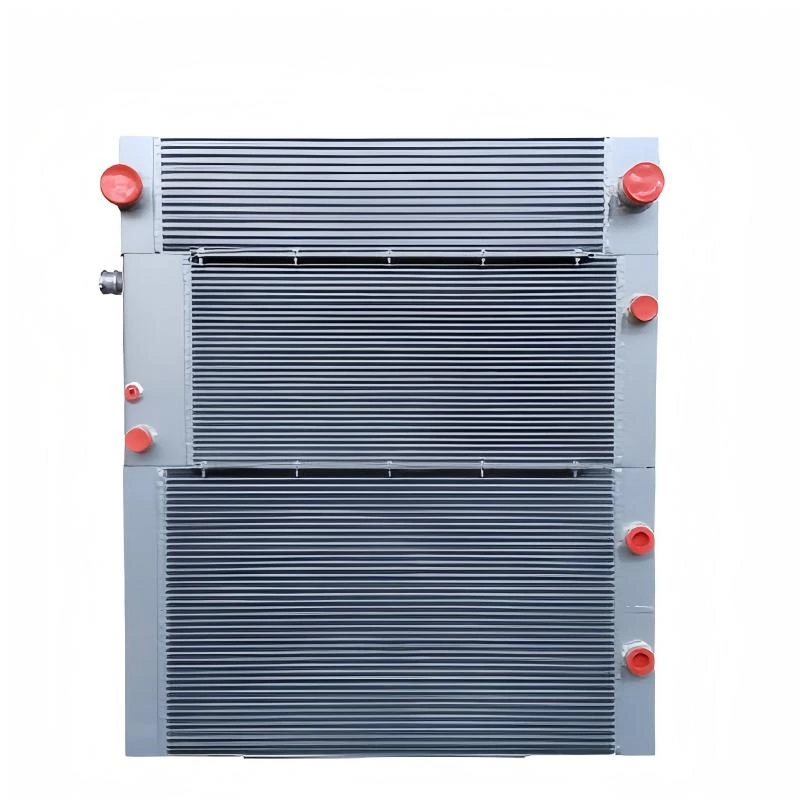
Over time, air compressor coolers may lose efficiency because of corrosion, internal contamination, vibration fatigue, or general wear. Even if the external surface still appears acceptable, internal flow channels may no longer perform efficiently.
Older cooling units may continue functioning, but their heat exchange efficiency gradually decreases. If overheating continues after cleaning and airflow improvements, the cooler itself may need replacement.
For OEM replacement or cooling system upgrade projects, modern aluminum plate-fin air compressor coolers often provide more stable and efficient thermal performance.
How to Solve Air Compressor Overheating
The correct solution depends on the specific operating condition, but the following improvements are commonly effective:
- Clean cooler fins and maintain proper airflow
- Check whether cooling capacity matches compressor load
- Improve ventilation in enclosed or high-temperature environments
- Ensure both compressed air and lubricating oil are properly cooled
- Optimize installation layout and airflow direction
- Replace aging or inefficient cooling units when necessary
How to Prevent Air Compressor Overheating
Preventive maintenance plays a critical role in long-term compressor reliability. Regular inspection of cooler surfaces, airflow systems, fan operation, and oil condition can help reduce overheating risks before major problems occur.
For continuous industrial applications, selecting a properly designed cooling system is often more effective than relying only on maintenance after overheating begins.
Applications of Air Compressor Cooling Systems
- Stationary screw air compressors
- Portable air compressors
- Industrial manufacturing systems
- Mining and construction equipment
- Power generation systems
- Heavy-duty pneumatic applications
FAQ
What causes an air compressor to overheat?
Common causes include blocked airflow, insufficient cooling capacity, poor ventilation, oil cooling problems, high ambient temperature, and aging cooler systems.
Can overheating damage an air compressor?
Yes. Excessive operating temperature can shorten lubricant life, increase internal wear, damage seals, and reduce compressor lifespan.
How do I reduce air compressor temperature?
Cleaning cooler fins, improving ventilation, checking cooling capacity, and upgrading inefficient cooling systems are common solutions.
Why is oil cooling important in air compressors?
Lubricating oil helps transfer heat away from internal components. Proper oil cooling improves thermal stability and supports long operating cycles.
When should an air compressor cooler be replaced?
If overheating continues after airflow cleaning and maintenance, the cooler may have internal blockage or performance loss and should be evaluated for replacement.
Conclusion
Air compressor overheating is often a sign that the cooling system is underperforming or no longer suited to the operating environment. Ignoring excessive temperature can reduce efficiency, increase maintenance costs, and shorten equipment lifespan.
A properly designed air compressor cooler helps maintain stable operating temperature, improve system reliability, and support continuous industrial operation. Whether for OEM replacement or cooling system upgrades, selecting the right cooling solution is essential for long-term performance and operational stability.
Need a reliable cooling solution for your compressor system?
Contact us for aluminum air compressor cooler solutions designed for industrial and continuous-duty applications.