Do Thicker Radiators Cool Better?
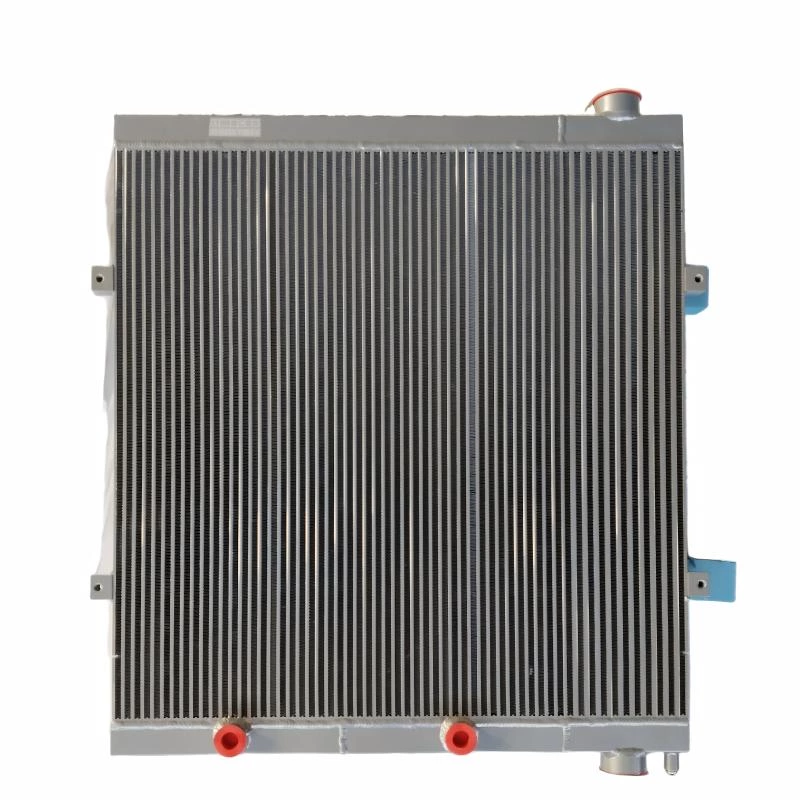
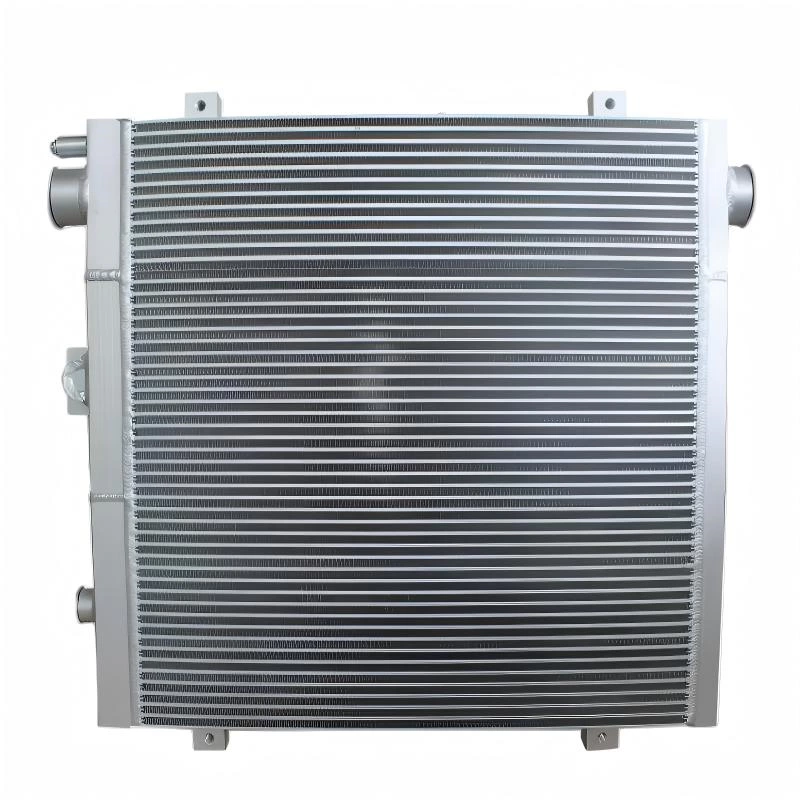
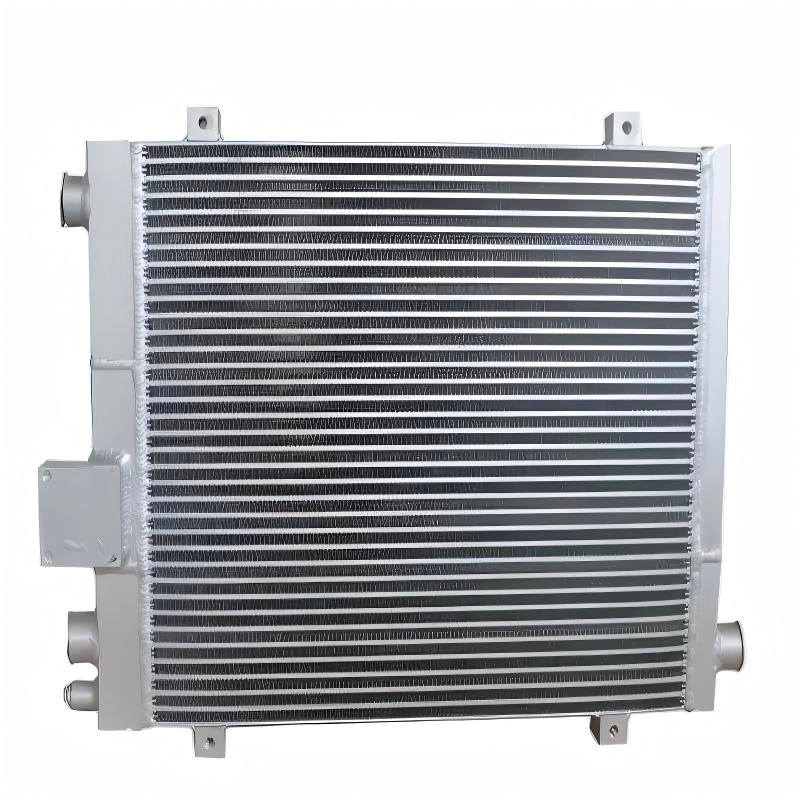
When evaluating cooling efficiency, one common question is whether thicker radiators cool better. For aluminum plate-fin radiators used in construction machinery, air compressors, heavy-duty trucks, and car intercoolers, the answer is not always straightforward. In many cases, increasing radiator thickness can improve heat dissipation, but it can also create higher airflow resistance, added weight, and reduced system efficiency. The right choice depends on the application and overall design balance.
1. How Radiator Thickness Affects Different Applications
Radiator thickness is an important design parameter in construction machinery, car intercoolers, and air compressor cooling systems, but its effect is different in each application.
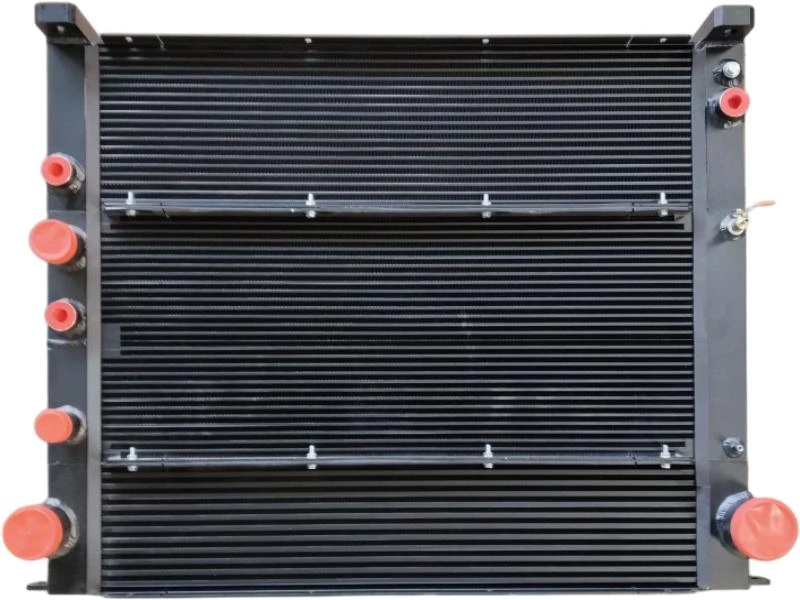
In general, radiator thickness should be evaluated from four key aspects: heat transfer performance, flow resistance, structural strength, and installation space.
| Application Area | Primary Impact of Increased Thickness | Key Design Trade-off |
|---|---|---|
| Construction Machinery | Improves structural strength and durability against vibration and impact, but also increases airflow resistance and overall weight. | Strength vs. Airflow Efficiency |
| Car Intercooler | May improve cooling capacity, but can significantly increase pressure drop, which reduces intake efficiency and may affect engine performance. | Cooling Capacity vs. Pressure Drop |
| Air Compressor | Can increase thermal capacity, but also adds material cost and weight. Many modern designs aim to maintain cooling performance with a more compact structure. | Cooling Performance vs. Weight and Cost |
2. Do Thicker Radiators Always Cool Better?
Not always. A thicker radiator usually provides more internal volume and heat transfer area, which can improve cooling performance. However, once thickness increases beyond a certain point, airflow resistance also rises. If air cannot pass through the core efficiently, the additional thickness may deliver limited benefits or even reduce overall cooling effectiveness.
That means a thicker radiator does not automatically perform better. The best radiator thickness depends on how well the design balances heat transfer area with airflow and system resistance.
3. How to Choose the Right Radiator Thickness
The correct radiator thickness depends on the operating environment, available installation space, airflow conditions, and performance targets. For heavy-duty equipment that works under high thermal loads, a medium or thicker radiator may be necessary to provide sufficient cooling and durability. For compact systems such as car intercoolers, a thinner design may be more effective because it helps reduce pressure drop while still maintaining good thermal performance.
Instead of focusing only on thickness, it is better to evaluate the complete radiator design, including fin structure, tube layout, airflow path, and material quality.
4. How to Improve Radiator Performance Beyond Thickness
Radiator performance can often be improved more effectively through overall design optimization rather than simply increasing thickness.
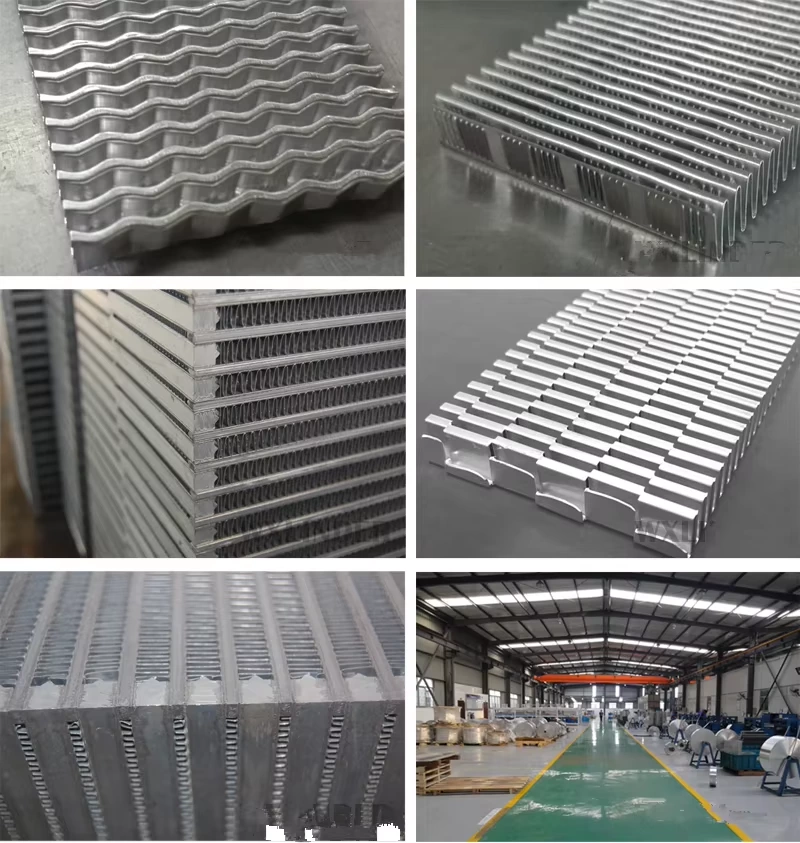
Optimize fin design: Fin shape and density have a major influence on heat transfer. Wavy, louvered, or perforated fins can improve turbulence and increase heat exchange efficiency.
Improve airflow management: Efficient airflow through the core is critical. Even a high-performance radiator will not work well if airflow is blocked or uneven.
Use high-quality aluminum materials: Good material quality supports better thermal conductivity, durability, and long-term reliability.
Optimize core structure: Tube arrangement, fin spacing, and brazing quality all influence real cooling performance.
In conclusion, thicker radiators do not always cool better. The ideal radiator thickness depends on the specific application and how well heat dissipation is balanced with airflow resistance, pressure drop, weight, and space limitations. A properly optimized radiator design will usually deliver better results than simply making the core thicker.