Where to Buy Radiators: How to Choose Reliable Radiator Manufacturer
When searching for where to buy radiators, finding a supplier is only part of the decision. More importantly, you need a reliable partner that can support product quality, stable delivery, and long-term operational performance. Whether you are sourcing radiators for passenger vehicles, heavy-duty trucks, construction machinery, air compressors, or industrial cooling systems, the right radiator supplier can directly affect equipment reliability and maintenance costs.
Today’s buyers are not only comparing prices. They are also evaluating cooling efficiency, manufacturing capability, material quality, leak resistance, and long-term supply stability. Choosing the right radiator manufacturer helps reduce procurement risk while improving overall system performance.
1. Why Buying Radiators Directly from a Manufacturer Matters
Working directly with a radiator manufacturer is often the most efficient way to balance price, quality, and technical support.
Compared with multiple distribution layers, direct sourcing helps reduce additional markups and improves communication efficiency throughout the project. Buyers can also gain better visibility into manufacturing processes, quality control standards, and production scheduling.
Another major advantage is engineering flexibility. Professional manufacturers can optimize radiator core structure, fin density, airflow design, pressure resistance, and material selection based on different applications and operating conditions.
This is especially important for heavy-duty equipment, industrial cooling systems, and OEM replacement projects where standard products may not fully match system requirements.
Direct cooperation also improves delivery reliability and allows faster response for technical adjustments, urgent orders, and after-sales support.
2. What to Consider Before Buying a Radiator
When evaluating where to buy radiators, buyers should look beyond pricing alone. Cooling performance, durability, and supplier capability all influence long-term operating cost and equipment reliability.
Cooling Performance
The radiator must provide sufficient heat dissipation under actual operating conditions. Factors such as airflow efficiency, fin structure, and core design directly affect cooling capacity.
Material Quality
Modern aluminum radiators are widely used because they offer lightweight construction, efficient heat transfer, and strong corrosion resistance in demanding environments.
Leak Resistance and Brazing Quality
Poor welding or brazing quality can lead to coolant leakage and early product failure. Reliable manufacturers typically perform pressure testing and leak inspection before shipment.
Compatibility and Fitment
Radiator dimensions, mounting structure, inlet positions, and operating pressure should match the target equipment or cooling system.
Customization Capability
For industrial projects and OEM applications, customization support is often necessary. Experienced manufacturers can adjust cooling structure and specifications according to application requirements.
3. Why Experience Matters When Choosing a Radiator Supplier
Not all radiator suppliers offer the same level of technical capability. Manufacturing experience plays a major role in product consistency, cooling performance, and long-term reliability.
An experienced supplier understands radiator core design, aluminum brazing processes, airflow optimization, and thermal management requirements across different industries.
This helps reduce the risk of overheating, leakage, structural failure, and inconsistent batch quality during real-world operation.
For OEM projects and bulk procurement, stable manufacturing experience is especially important because consistent production quality directly affects maintenance costs and customer satisfaction.
Supplier Comparison: Trading Company vs Manufacturer
| Factor | Trading Company | Less Experienced Supplier | Experienced Manufacturer |
|---|---|---|---|
| Price Control | Low | Medium | High |
| Quality Stability | Uncertain | Variable | Consistent |
| Customization Capability | Limited | Basic | Strong |
| Communication Efficiency | Indirect | Moderate | Direct |
| Technical Support | Limited | Basic | Professional |
| Procurement Risk | High | Medium | Low |
4. OEM vs Aftermarket Radiators
Buyers often compare OEM and aftermarket radiators when selecting cooling products for replacement or upgrade projects.
| Factor | OEM Radiator | Aftermarket Radiator |
|---|---|---|
| Fitment | Original specifications | Depends on supplier quality |
| Cost | Higher | More flexible |
| Availability | Limited | Widely available |
| Customization | Limited | More flexible |
| Lead Time | Longer in some cases | Usually faster |
For many industrial buyers and distributors, high-quality aftermarket radiators offer a better balance between performance, availability, and procurement flexibility.
5. Why Aluminum Radiators Are Widely Used
Aluminum radiators are commonly used in automotive, heavy-duty, and industrial applications because they combine lightweight construction with strong thermal efficiency.
- Efficient heat transfer performance
- Good corrosion resistance
- Lightweight structure
- Suitable for high-load cooling systems
- Flexible manufacturing and customization capability
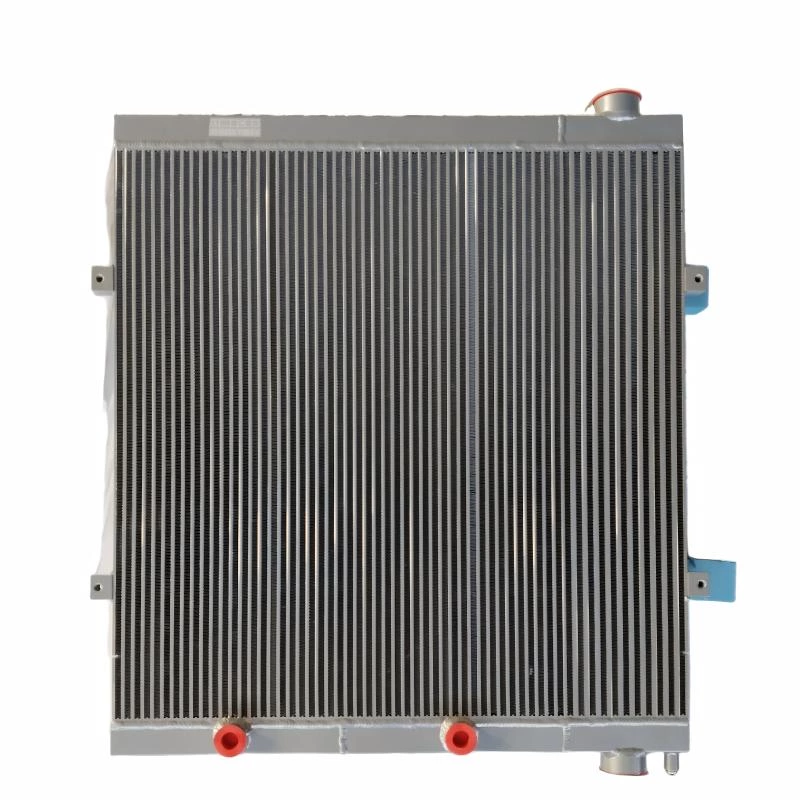
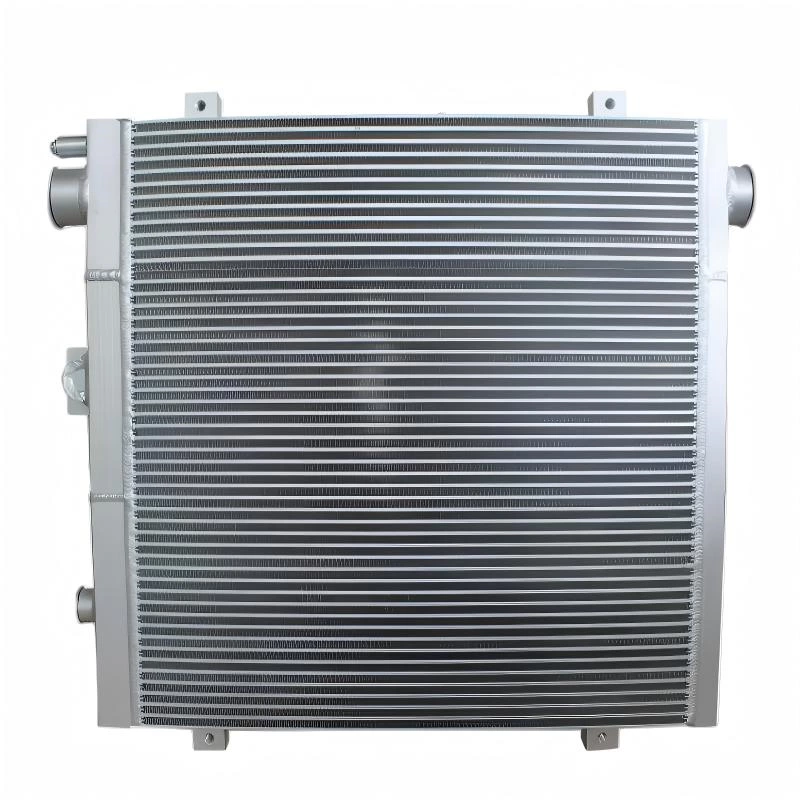
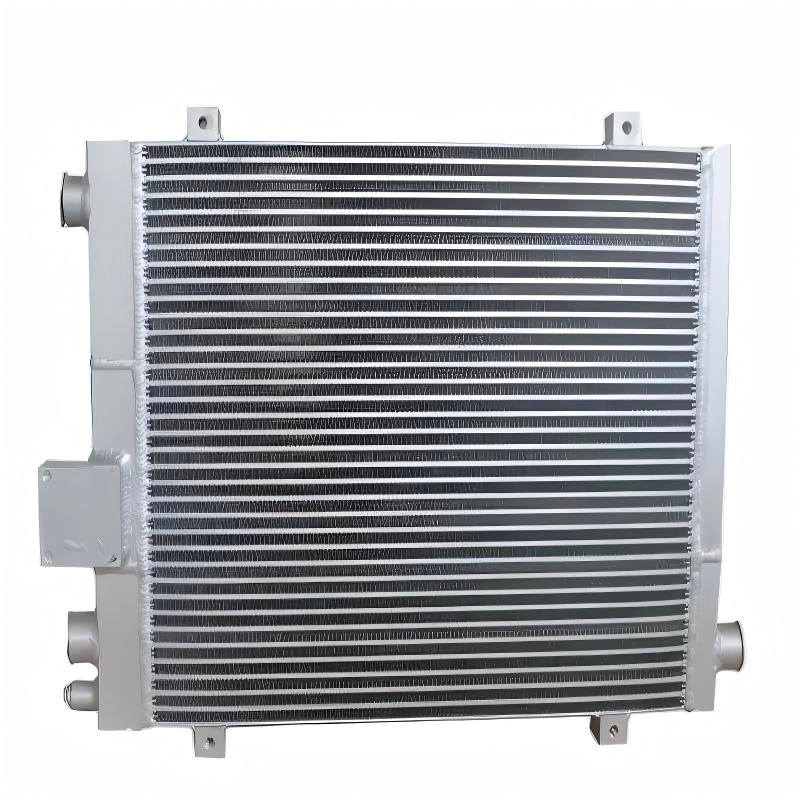
Modern aluminum plate-fin radiator structures are widely used in construction machinery, trucks, air compressors, and industrial heat exchanger systems where stable cooling performance is critical.
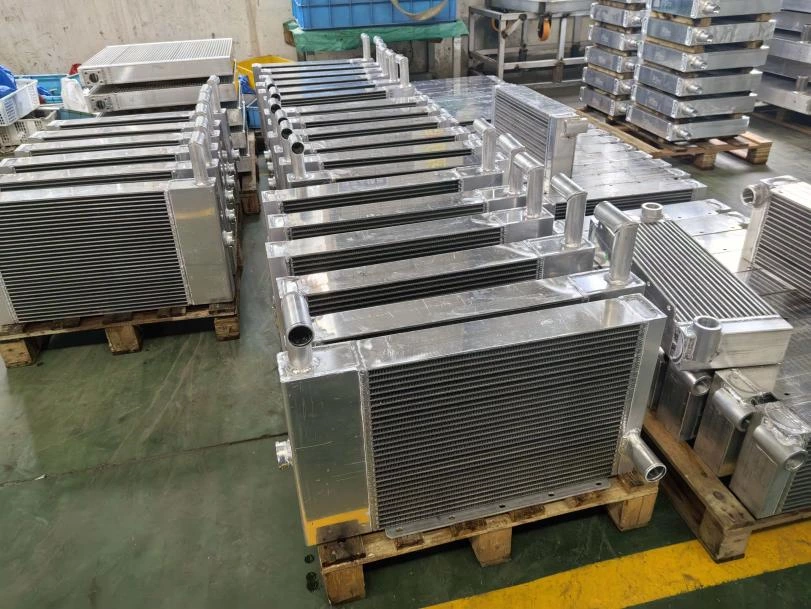
6. Why Choose Us as Your Radiator Supplier
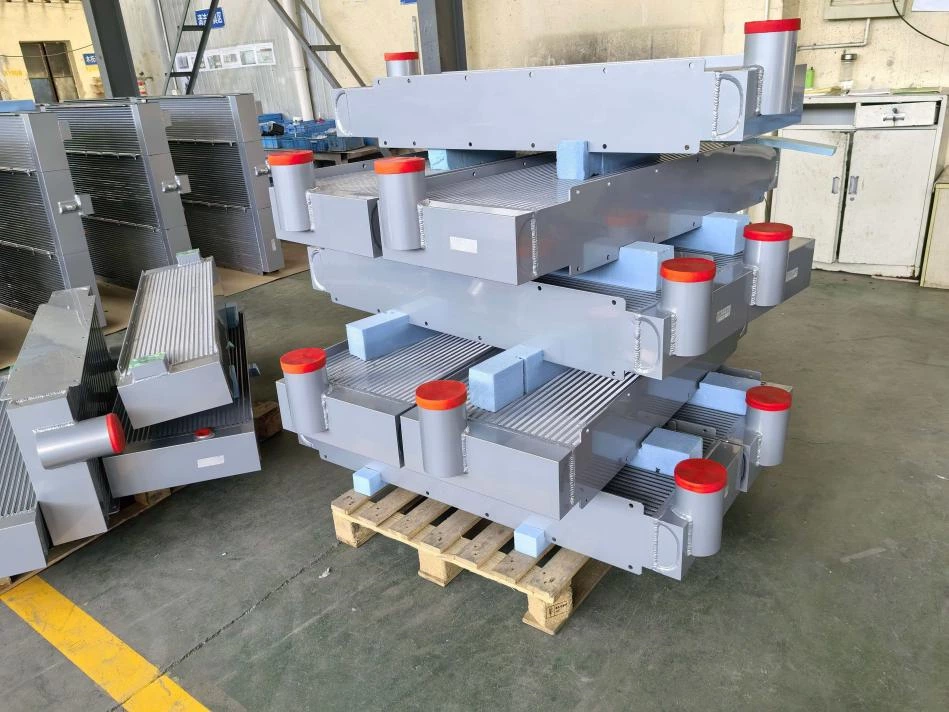
As a professional heat exchanger manufacturer, we focus on providing reliable radiator and cooling solutions supported by engineering expertise, stable manufacturing capability, and strict quality control processes.
Our products are widely used in automotive systems, construction machinery, heavy-duty trucks, air compressors, hydraulic systems, and industrial cooling applications.
We focus on improving heat dissipation efficiency, structural durability, leak resistance, and long-term operating stability under demanding working conditions.
We also provide flexible customization support, stable production scheduling, and responsive technical communication to help customers reduce procurement risk and improve overall cooling system performance.
If you are evaluating where to buy radiators, choosing a supplier with real manufacturing capability and engineering support will create more long-term value than focusing only on initial price.
Need OEM or custom radiator solutions?
Contact us for radiator specifications, pricing, and industrial cooling support.
FAQ
Where is the best place to buy radiators?
Buying directly from an experienced radiator manufacturer is often the best option for stable quality, competitive pricing, and customization support.
Should I choose OEM or aftermarket radiators?
OEM radiators follow original specifications, while high-quality aftermarket radiators often provide better flexibility, pricing, and availability.
How do I know if a radiator supplier is reliable?
Look for manufacturing experience, quality control capability, leak testing standards, engineering support, and stable production capacity.
Why are aluminum radiators widely used?
Aluminum radiators provide efficient heat transfer, lightweight construction, corrosion resistance, and strong cooling performance.
Can manufacturers provide custom radiator solutions?
Yes. Professional manufacturers can customize radiator dimensions, core structure, mounting layout, and cooling performance based on application requirements.