Heavy Duty Radiator: Applications and Key Benefits
When people hear the term heavy duty radiator, they often think of one specific oversized product. In fact, a heavy duty radiator is not a single fixed model. It is a category of radiator designed for demanding applications and harsh operating conditions. If your equipment runs longer, harder, and under more severe environments than normal, a standard radiator may not be enough.
A heavy duty radiator is built to deliver stable cooling performance, strong durability, and long service life under continuous heavy load. It is widely used in equipment where reliability matters more than short-term peak cooling.
What Makes a Radiator Heavy Duty?
What makes a radiator “heavy duty” is not just its size. The real difference lies in its application, structural strength, and ability to perform in extreme environments.
Heavy duty radiators are commonly used in:
- 4x4 off-road vehicles
- heavy trucks
- mining trucks
- excavators
- generators
- other industrial equipment
In these applications, the radiator must work reliably under dust, vibration, corrosion, and long operating hours. The main goal is not only cooling, but also consistent performance and durability.
Heavy Duty Radiator vs Regular Radiator
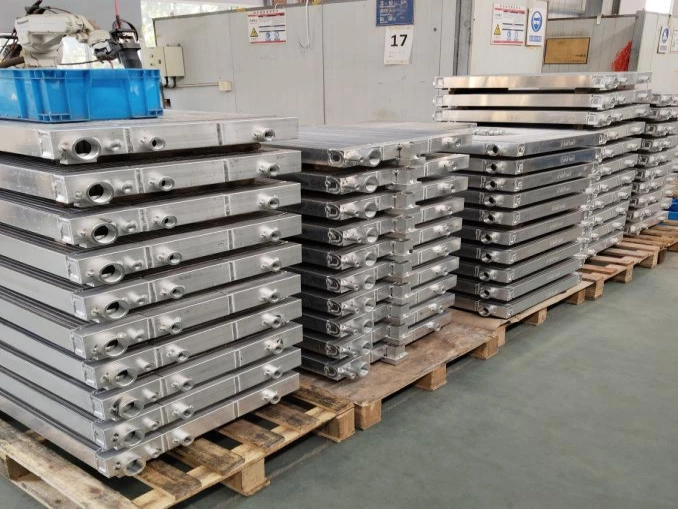
The main difference between a heavy duty radiator and a regular radiator is the working environment they are designed for.
A regular radiator is usually intended for passenger cars and light-duty vehicles operating on stable roads and under moderate conditions. A heavy duty radiator, however, is built for unpredictable stress, heavy loads, and demanding environments.
Compared with a regular radiator, a heavy duty radiator usually offers:
- better vibration resistance
- stronger leak-proof performance
- improved anti-clogging design
- higher durability under continuous-duty operation
- better protection against corrosion and harsh conditions
In short, a heavy duty radiator is designed for reliability where failure is not acceptable.
Why Are Heavy Duty Radiators Widely Used?
Heavy duty radiators are important because many industrial and commercial machines work under conditions where overheating can quickly lead to performance loss, downtime, and costly repairs.
For example, an excavator radiator must continue working under dust and heavy hydraulic load. A mining truck radiator must perform in severe environments with long continuous operation. A generator radiator must maintain stable cooling even during extended running periods.
This is why heavy duty cooling systems are required in industries where equipment reliability directly affects productivity.
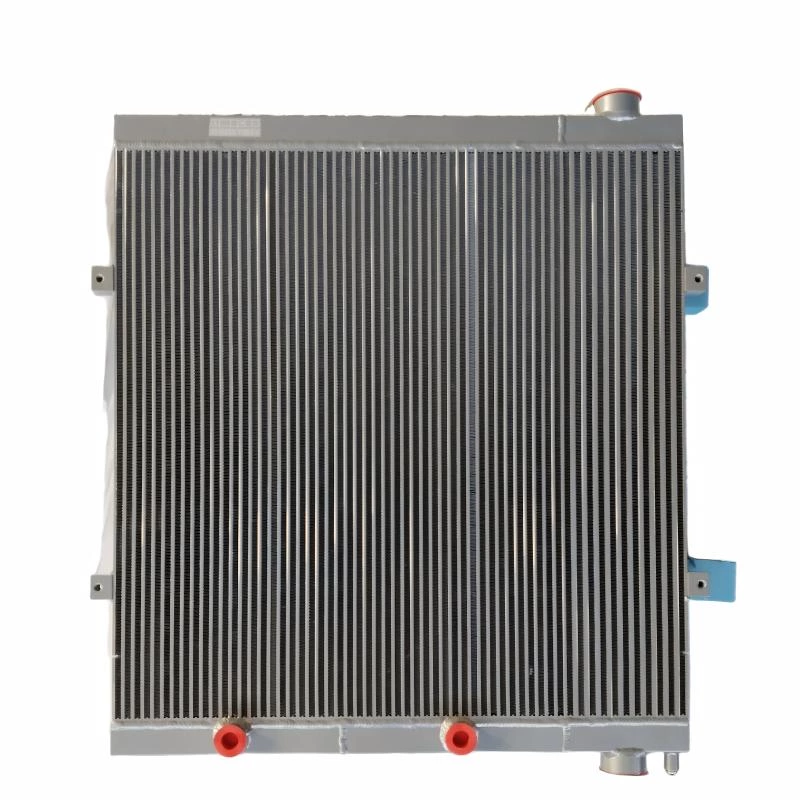
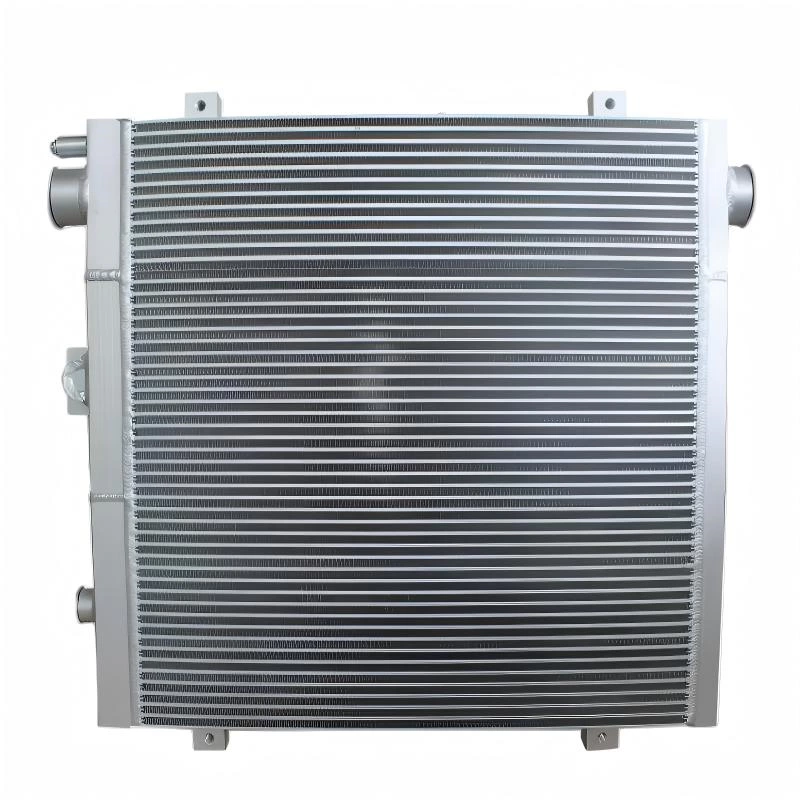
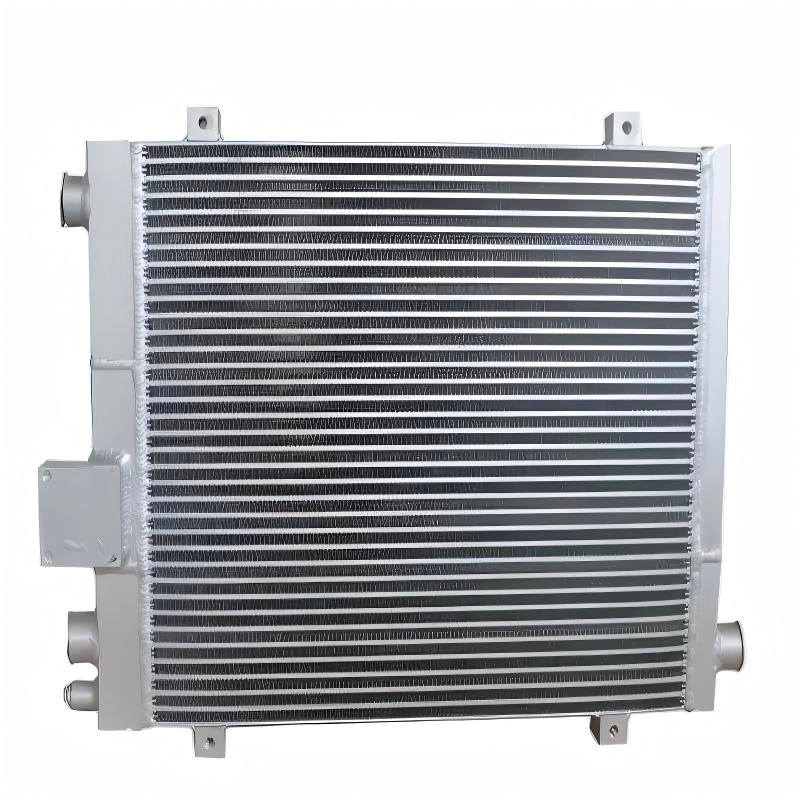
Why Is a Plate-Fin Radiator Recommended for Heavy Duty Use?
For many heavy-duty applications, a plate-fin radiator is often a better choice.
First, plate-fin construction offers strong structural integrity. The stacked plate and fin design helps distribute stress more evenly, making the radiator more resistant to vibration and pressure fluctuations.
Second, a plate-fin radiator provides high heat transfer efficiency in a compact structure. This helps maintain stable temperatures without making the overall cooling system unnecessarily large.
Third, plate-fin radiators are highly customizable. Fin density, material thickness, and flow paths can all be adjusted based on actual working conditions. For equipment used in mines, construction sites, or high-temperature areas, this flexibility is a major advantage.
Benefits of a Heavy Duty Radiator
A high-quality heavy duty radiator provides several important benefits:
- stable cooling under continuous heavy load
- improved durability in harsh environments
- stronger resistance to vibration and corrosion
- longer service life
- reduced risk of overheating and downtime
For industrial users, these benefits mean better reliability and lower long-term operating costs.
How to Choose the Right Heavy Duty Radiator
When selecting a heavy duty radiator, it is important to consider more than cooling capacity alone. Buyers should also evaluate:
- actual working environment
- vibration level
- dust and corrosion exposure
- required service life
- radiator structure and material
- customization capability of the supplier
In many cases, a custom heavy duty radiator is a better solution than a standard product, especially for mining trucks, off-road vehicles, generators, and other specialized equipment.
Working with an experienced heavy duty radiator manufacturer can help ensure the product is designed for real operating conditions and long-term reliability.
Conclusion
A heavy duty radiator is designed for equipment that operates in harsh conditions and under continuous heavy load. Compared with a regular radiator, it offers stronger durability, better resistance to vibration and corrosion, and more reliable cooling performance.
For applications such as off-road vehicles, heavy trucks, excavators, mining trucks, and generators, choosing the right radiator is essential. In many demanding environments, a well-designed plate-fin radiator or custom heavy duty radiator can provide better long-term performance and greater operational safety.