Where can I find a radiator
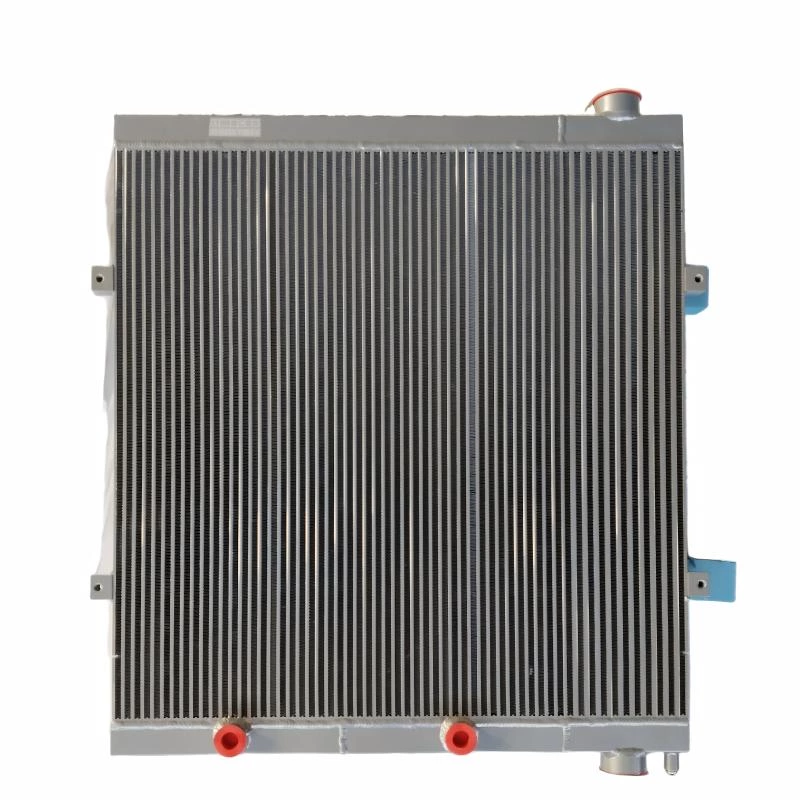
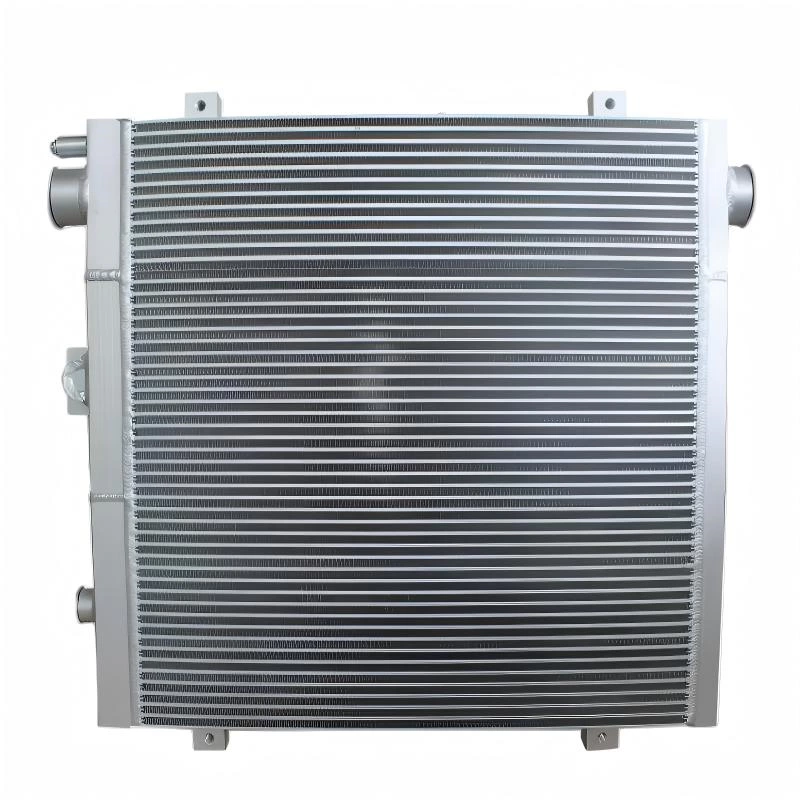
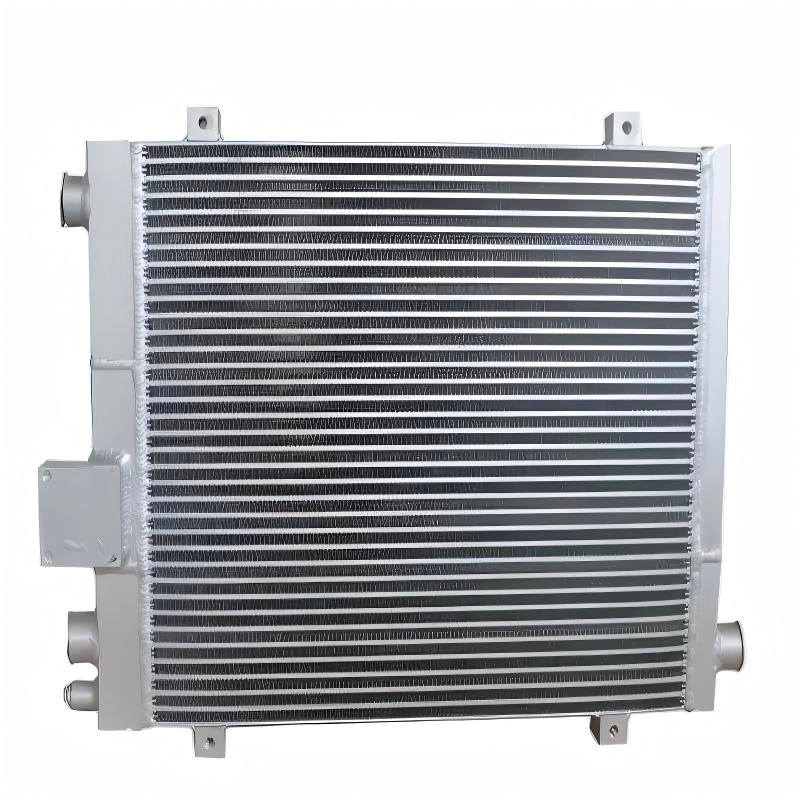
Where can I find a radiator? If you are looking for a radiator for construction machinery, air compressors, hydraulic systems, or other industrial equipment, the answer depends on your application, equipment model, cooling capacity, and working conditions. Choosing the right radiator helps improve cooling efficiency, protect critical components, and reduce downtime.
Radiators are widely used in construction machinery, air compressors, agricultural equipment, hydraulic stations, wind power systems, rail transit, and other industrial applications. Although their structures and functions may vary by industry, their main purpose is the same: to remove excess heat and keep the system operating safely and efficiently.
Construction Machinery Radiators
In construction machinery such as excavators, bulldozers, and loaders, the radiator is a key part of the cooling system. These machines often work under high loads in dusty, high-vibration, and high-temperature environments. In such conditions, a heavy-duty aluminum radiator with a durable core structure is essential for stable performance and long service life.
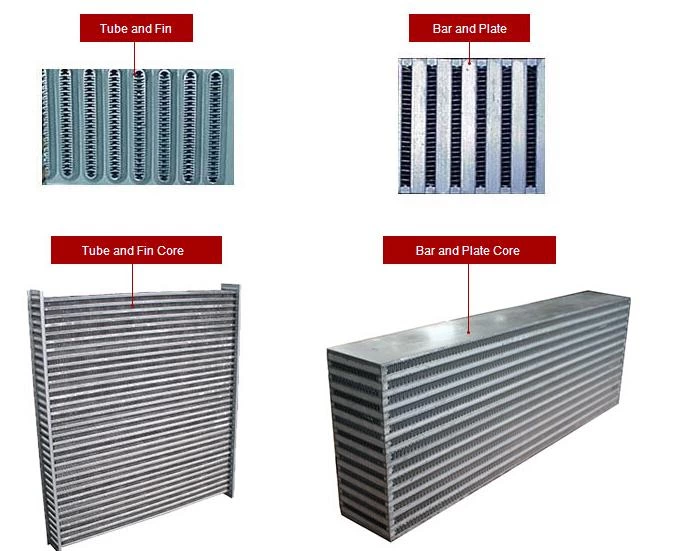
For many heavy-duty applications, a plate-fin radiator is a practical choice because it offers efficient heat transfer, compact design, and strong resistance to demanding working conditions. A properly matched radiator helps prevent overheating, reduce unexpected shutdowns, and protect the engine or hydraulic system during continuous operation.
Air Compressor Radiators
Air compressors also generate a significant amount of heat during operation. A suitable radiator helps cool compressed air, lubricating oil, or both, depending on the system design. Effective cooling improves operating efficiency, supports consistent air quality, and helps protect internal components from heat-related wear.
When selecting a radiator for an air compressor, it is important to consider airflow, operating temperature, installation space, and duty cycle. The right radiator design can improve energy efficiency and support reliable long-term performance.
Hydraulic and Other Industrial Applications
Radiators and heat exchangers are also commonly used in hydraulic stations, agricultural machinery, new energy systems, and other industrial equipment. If system heat is not controlled properly, high oil or fluid temperature can reduce efficiency, increase component wear, and shorten equipment life. This is why radiator selection should always be based on actual operating requirements rather than appearance alone.
Quick Comparison for Different Applications
| Application | Recommended Radiator Type | Main Benefit |
|---|---|---|
| Construction Machinery | Heavy-Duty Plate-Fin Radiator | Delivers reliable cooling in dusty, high-load environments. |
| Air Compressor | Tube-and-Fin or Plate-Fin Radiator | Helps cool compressed air and lubricating oil efficiently. |
| Hydraulic System | Aluminum Oil Cooler / Heat Exchanger | Maintains stable fluid temperature and protects system performance. |
How to Find the Correct Radiator
If you are trying to find the correct radiator, the best approach is to match the radiator to your specific equipment and operating conditions. Important factors include equipment model, cooling capacity, installation dimensions, airflow, fluid type, and working environment. For replacement projects, confirming the original specifications is the safest way to ensure proper fit and performance.
If standard products do not fully meet your requirements, working with a manufacturer that provides custom aluminum radiators or plate-fin heat exchangers can be a more effective solution. Custom design support is especially useful for heavy-duty machinery, compact installation spaces, and systems with demanding thermal requirements.
Why Choose Aluminum Radiators?
Aluminum is one of the most widely used materials in modern radiator manufacturing because it offers an excellent balance of weight, heat transfer performance, corrosion resistance, and production efficiency. Compared with heavier traditional materials, aluminum helps reduce overall system weight while maintaining strong cooling performance.
Another major advantage is that aluminum can be formed into compact plate-fin and finned tube structures, making it possible to achieve efficient cooling even in limited installation space. This makes aluminum radiators a practical choice for construction machinery, air compressors, hydraulic systems, and many other industrial applications where both durability and thermal performance matter.
Conclusion
Where can I find a radiator? The right radiator can be found by starting with your application requirements rather than choosing by appearance alone. Whether you need a radiator for construction machinery, air compressors, or other industrial equipment, selecting the correct aluminum radiator can improve efficiency, reduce downtime, and protect critical components over the long term.
If you need a reliable solution for demanding applications, choosing a manufacturer with experience in aluminum radiators and plate-fin heat exchangers can help you find a product that matches your equipment and performance goals.