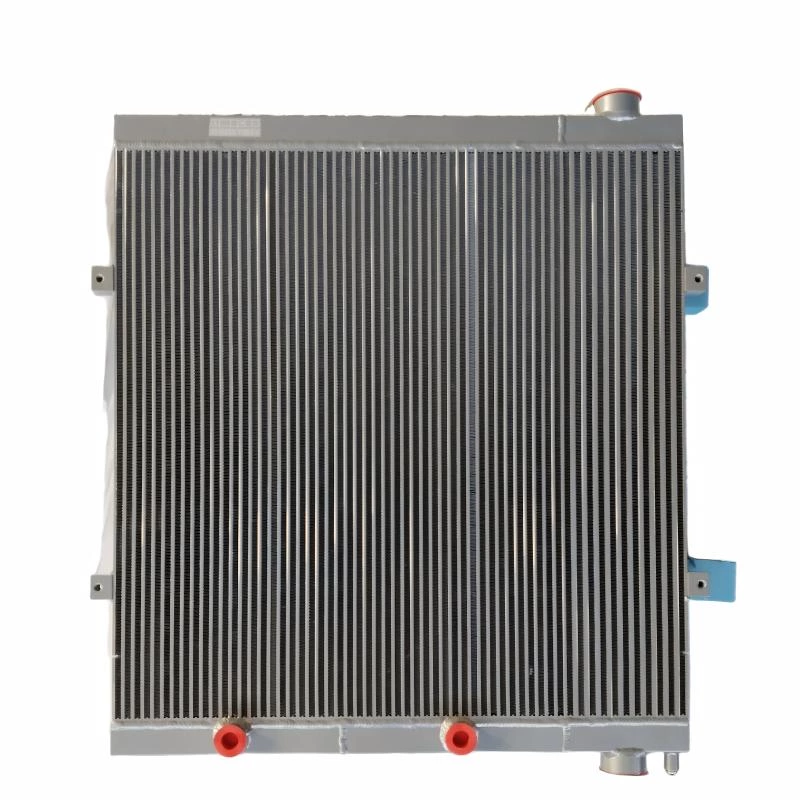
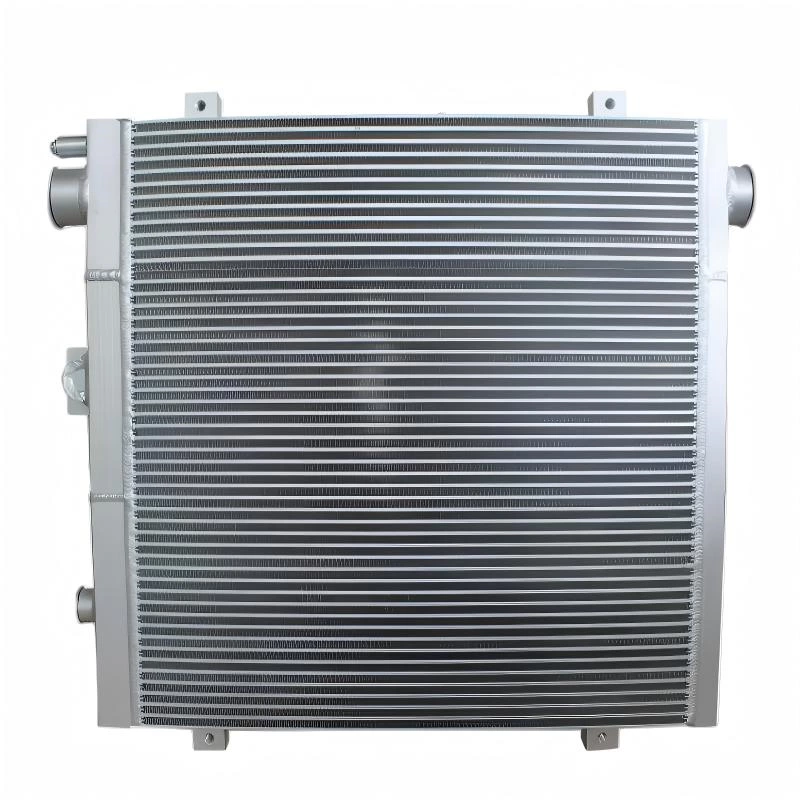
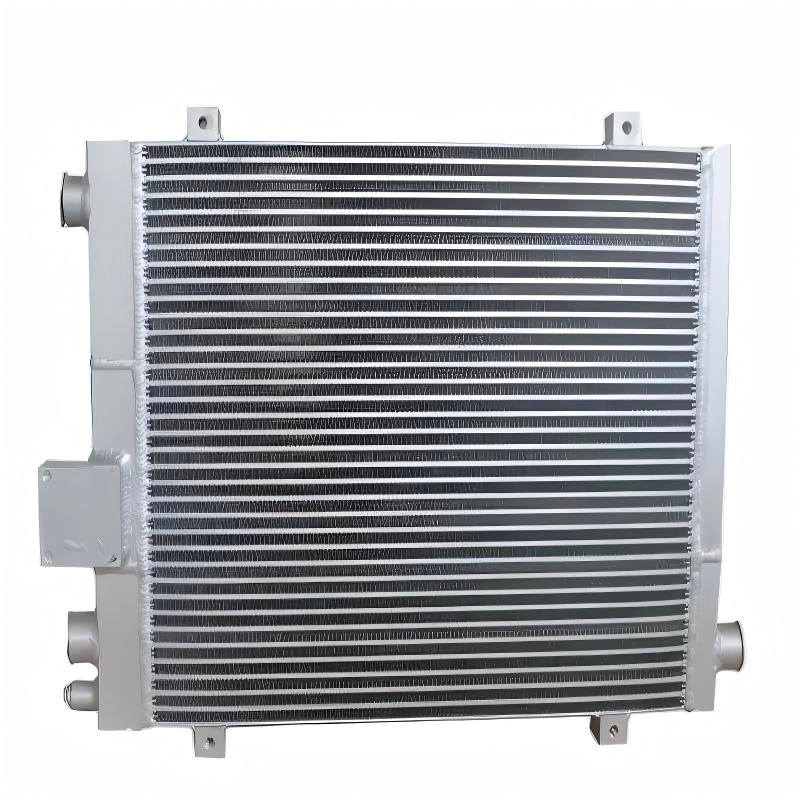
Is an Oil Cooler and Radiator the Same?
Is an oil cooler and radiator the same? The answer is no. Although both are used to transfer heat and can be classified as heat exchangers, they are designed for different cooling media and different functions in industrial equipment.
A radiator is typically used to cool engine coolant, water, or other system fluids, while an oil cooler is specifically designed to reduce the temperature of lubricating oil or hydraulic oil. In other words, an oil cooler is a type of heat exchanger, but it is a specialized one built for oil temperature control.
What Is the Main Difference Between an Oil Cooler and a Radiator?
The main difference lies in the cooling medium. A radiator usually handles coolant or water circulating through the system, while an oil cooler removes heat from engine oil, transmission oil, or hydraulic oil. Because these fluids serve different purposes inside a machine, the cooling components designed for them should not be treated as the same part.
Coolant is mainly used to regulate overall system temperature, while oil also plays a critical role in lubrication, sealing, and wear protection. If oil temperature becomes too high, viscosity can drop, lubrication performance may decline, and key components may wear more quickly.
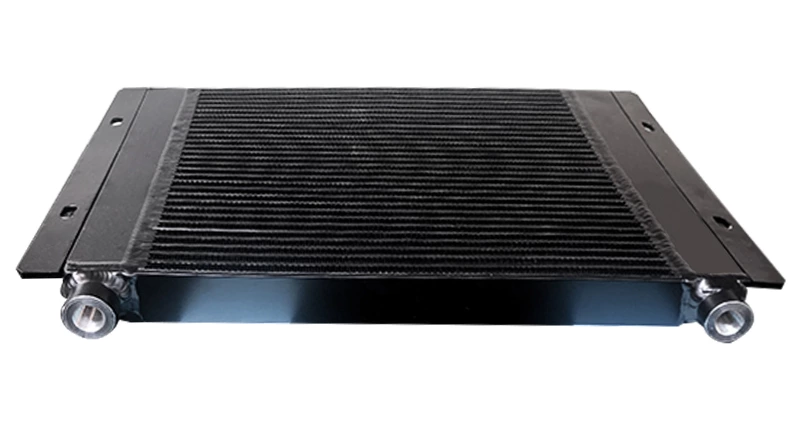
Why Can’t They Be Used Interchangeably?
Radiators and oil coolers cannot simply be swapped because they are designed for different fluids, flow characteristics, pressure conditions, and temperature ranges. Using the wrong cooling component may reduce heat dissipation efficiency and lead to overheating, unstable operation, or premature component failure.
In construction machinery and hydraulic systems, the oil cooler is especially important because it helps maintain proper oil temperature and viscosity. Stable oil temperature supports smooth hydraulic operation, reliable lubrication, and long working hours under heavy-duty conditions.
How Are They Used in Air Compressors?
In air compressors, both radiators and oil coolers may be used depending on the compressor type and cooling system design. Screw air compressors often require dedicated cooling components to manage system temperature efficiently during continuous operation.
In many screw-type air compressors, the radiator helps control the temperature of the cooling system, while the oil cooler is responsible for reducing the temperature of the lubricating oil. The cooled oil then returns to the compression chamber, where it continues to support lubrication, sealing, and heat removal. In these systems, the oil cooler is not just an auxiliary part but a key component for reliable performance.
Do Oil Coolers and Radiators Work Together?
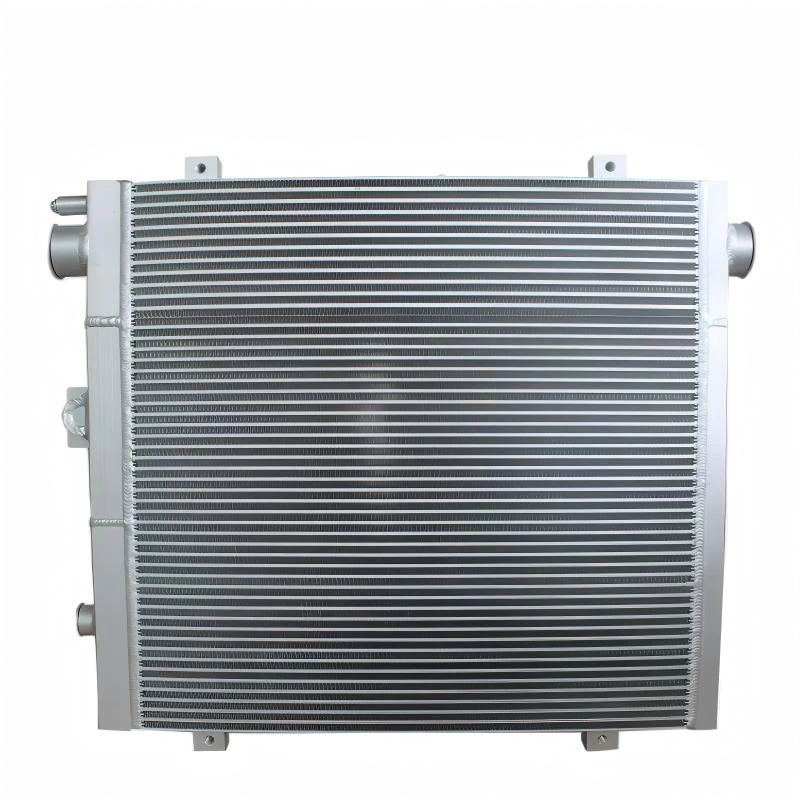
Yes. In many machines, radiators and oil coolers operate together within the same modular cooling unit. For example, one section may cool engine coolant, another may cool hydraulic oil, and another may handle charge air, while all sections share the same fan and external housing.
Even when they are packaged together, their internal flow paths remain separate because their functions are not the same. They are combined for compact design and efficient heat management, not because they can replace each other.
| Feature | Radiator | Oil Cooler |
|---|---|---|
| Primary Function | Cools coolant, water, or other system fluids | Cools lubricating oil or hydraulic oil |
| Cooling Medium | Coolant / Water | Oil |
| Typical Applications | Engines, cooling systems, industrial equipment | Hydraulic systems, engines, transmissions, air compressors |
| Can They Replace Each Other? | No | No |
How to Identify the Right Cooling Component
To identify whether your system needs a radiator or an oil cooler, first check the cooling medium. If the system is designed to cool coolant or water, the correct component is usually a radiator. If the system needs to reduce the temperature of lubricating oil or hydraulic oil, an oil cooler is the appropriate choice. It is also important to confirm operating temperature, pressure requirements, and system design before selecting a replacement or custom cooling solution.
Conclusion
So, is an oil cooler and radiator the same? No.
Both are heat exchangers, but they are designed for different cooling media and different system functions. A radiator is generally used for coolant or water, while an oil cooler is specifically designed for oil temperature control.
If you need reliable cooling for construction machinery, hydraulic systems, or air compressors, choosing the correct cooling component is essential for efficiency, durability, and long-term equipment performance.Welcome to Contact Us!