What Does an Oil Cooler Do?
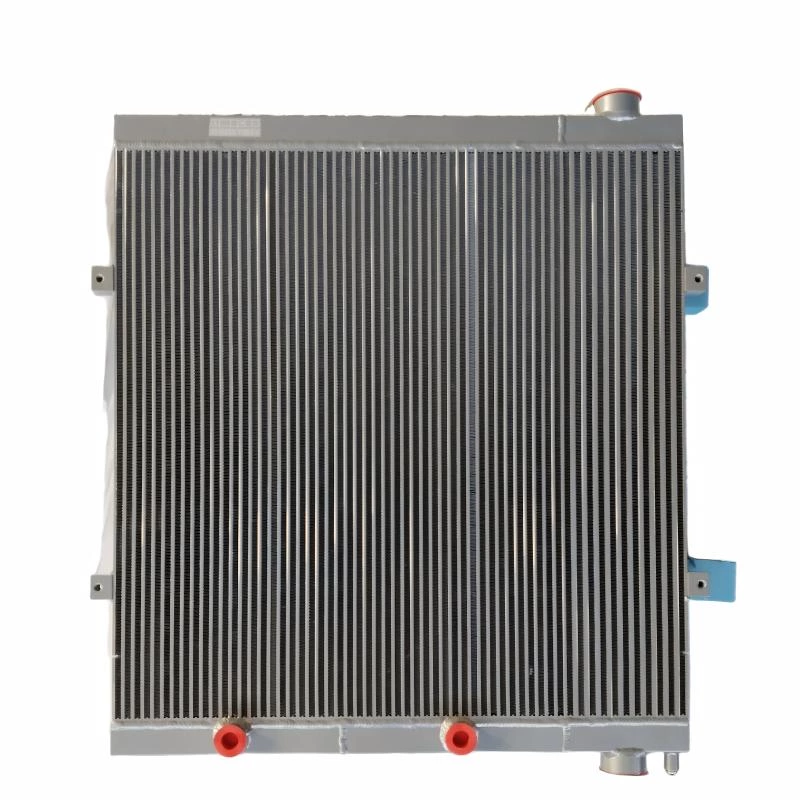
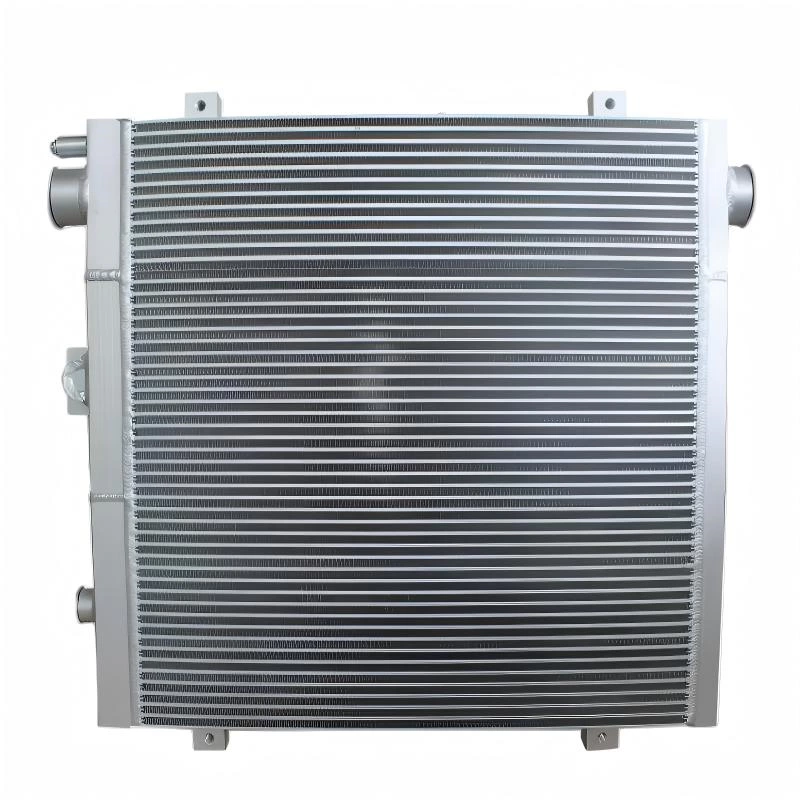
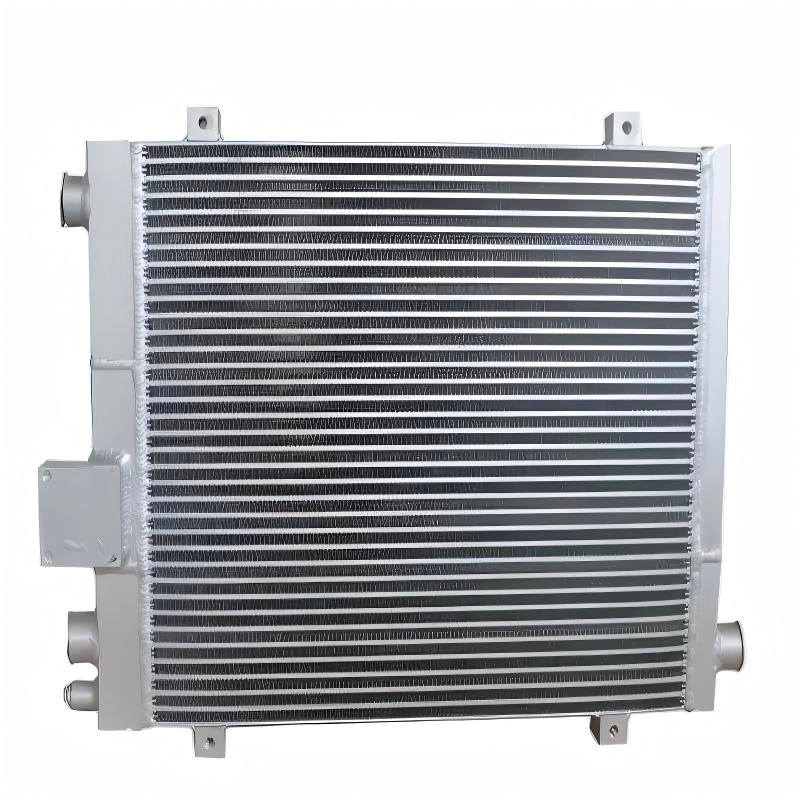
An oil cooler is an important heat exchanger used in engines, hydraulic systems, and industrial equipment. Its main job is to remove excess heat from the oil and keep the system working within a proper temperature range. If you are asking what does an oil cooler do, the simple answer is that it helps protect the system, improve operating efficiency, and extend equipment life.
In many applications, oil is not only used for lubrication but also for heat transfer. When oil temperature becomes too high, its performance can decline, which may lead to increased wear and unstable operation. This is why the oil cooler function is essential in heavy-duty and high-temperature environments.
How Does an Oil Cooler Work?
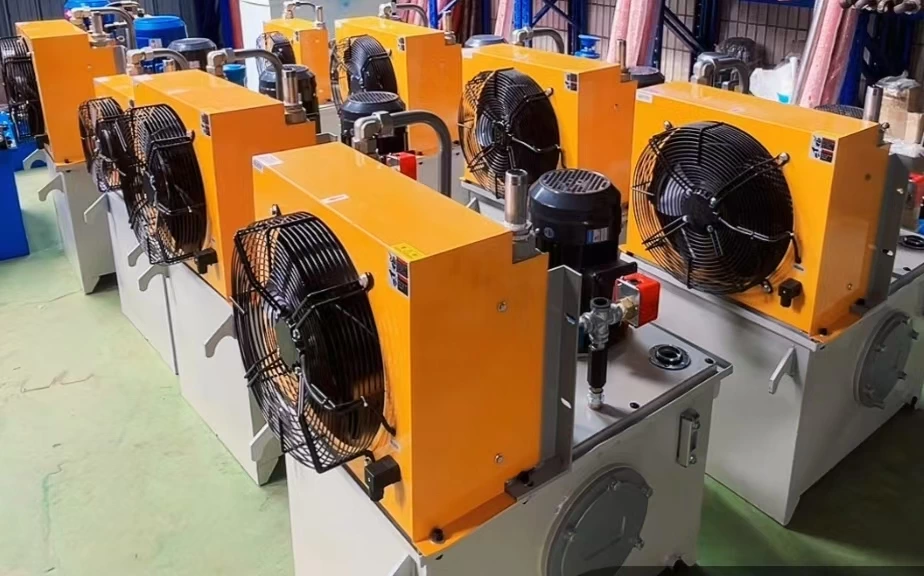
The working principle of an oil cooler is straightforward. Hot oil flows through the internal channels of the cooler, while heat is transferred to the surrounding air or coolant. After the heat is removed, the cooled oil returns to the system and continues circulating.
This process helps maintain stable oil temperature, supports proper lubrication, and improves overall system reliability. Whether it is used as an engine oil cooler or a hydraulic oil cooler, the purpose is the same: efficient temperature control.
What Are the Benefits of an Oil Cooler?
An oil cooler offers several important benefits:
- helps prevent overheating
- improves lubrication performance
- reduces wear on key components
- supports stable operation under heavy load
- extends service life of the system
For equipment operating in demanding conditions, these advantages are especially important.
What Happens If an Oil Cooler Fails?
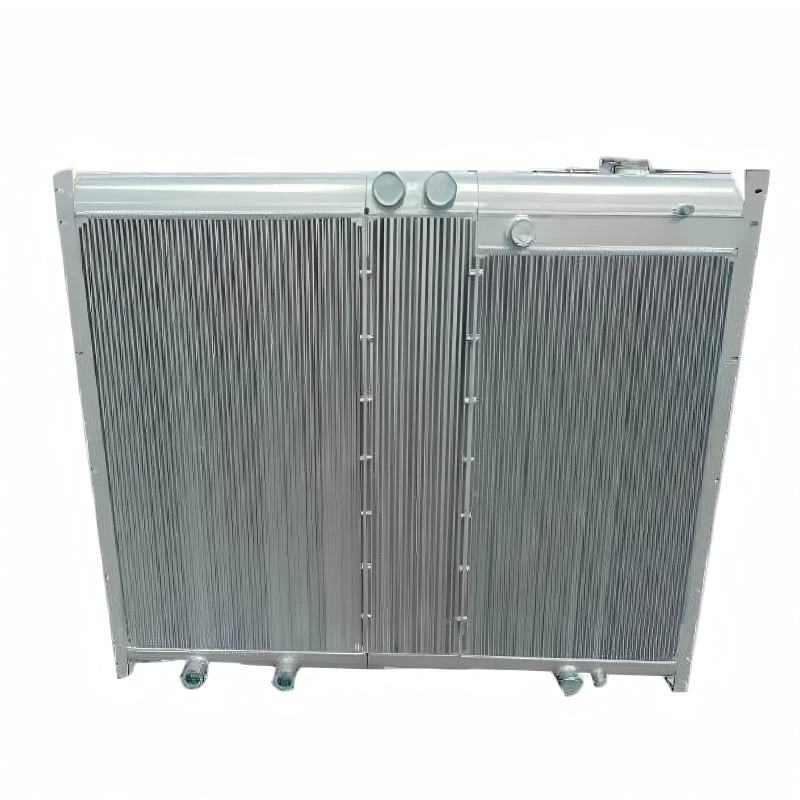
If an oil cooler fails, the oil temperature may rise too quickly, which can affect lubrication efficiency and system performance. In some cases, overheating may cause oil degradation, leaks, or increased component wear. Over time, this can lead to higher maintenance costs and unexpected downtime.
For this reason, a reliable oil cooler is an important part of long-term equipment protection.
Where Are Oil Coolers Used?
Oil coolers are widely used in many industries and applications, including:
- passenger vehicles and trucks
- construction machinery
- hydraulic systems
- air compressors
- industrial equipment
- marine and power systems
In many of these applications, an aluminum oil cooler is preferred because of its good heat transfer performance, light weight, and durability.
Conclusion
So, what does an oil cooler do? It helps control oil temperature, maintain lubrication performance, and protect equipment from excessive heat. For engines, hydraulic systems, and industrial machinery, a high-quality oil cooler can make a clear difference in efficiency, reliability, and service life.
If you are looking for dependable cooling solutions, choosing an experienced oil cooler manufacturer is important. A well-designed oil cooler with stable quality and good heat dissipation performance can better meet the needs of demanding applications.
FAQ
What does an oil cooler do?
An oil cooler removes excess heat from oil and helps keep the system operating at a safe temperature.
What is the main oil cooler function?
The main oil cooler function is to control oil temperature and maintain stable lubrication performance.
What happens if an oil cooler fails?
If an oil cooler fails, overheating, poor lubrication, increased wear, and possible system damage may occur.
Where are oil coolers used?
Oil coolers are commonly used in engines, hydraulic systems, construction machinery, and industrial equipment.