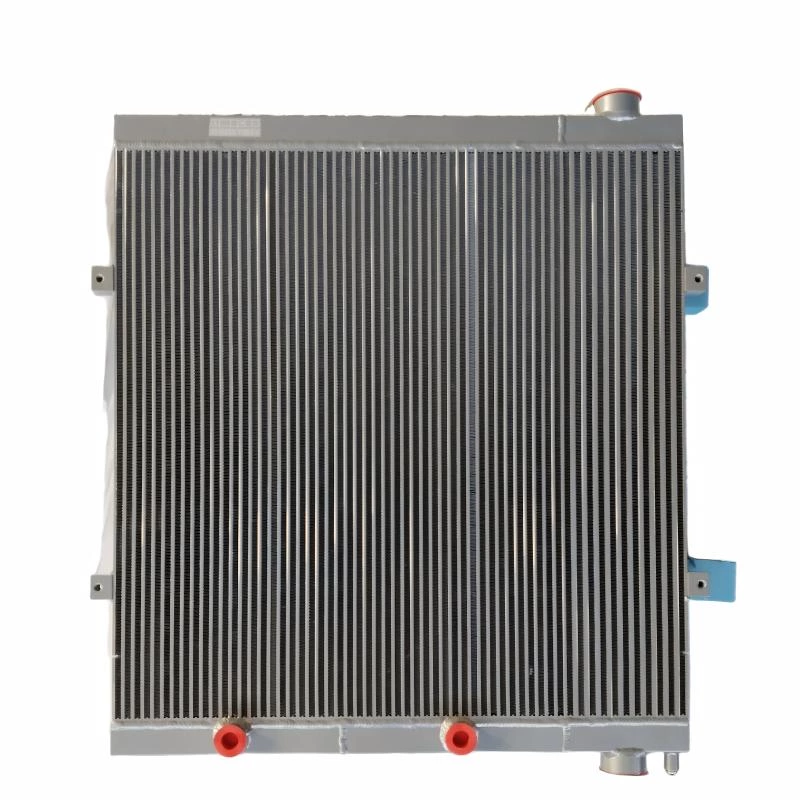
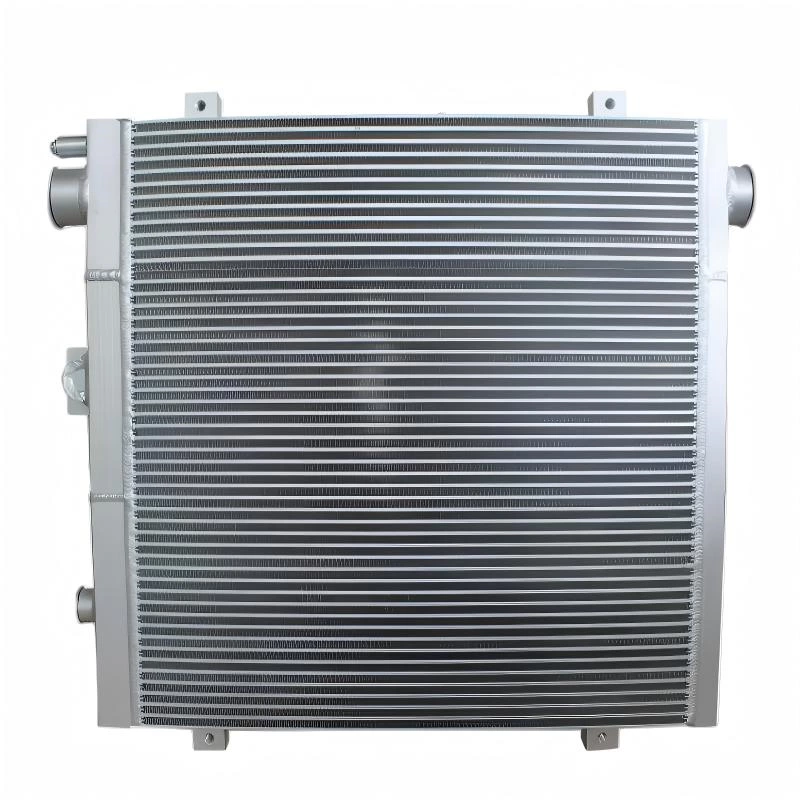
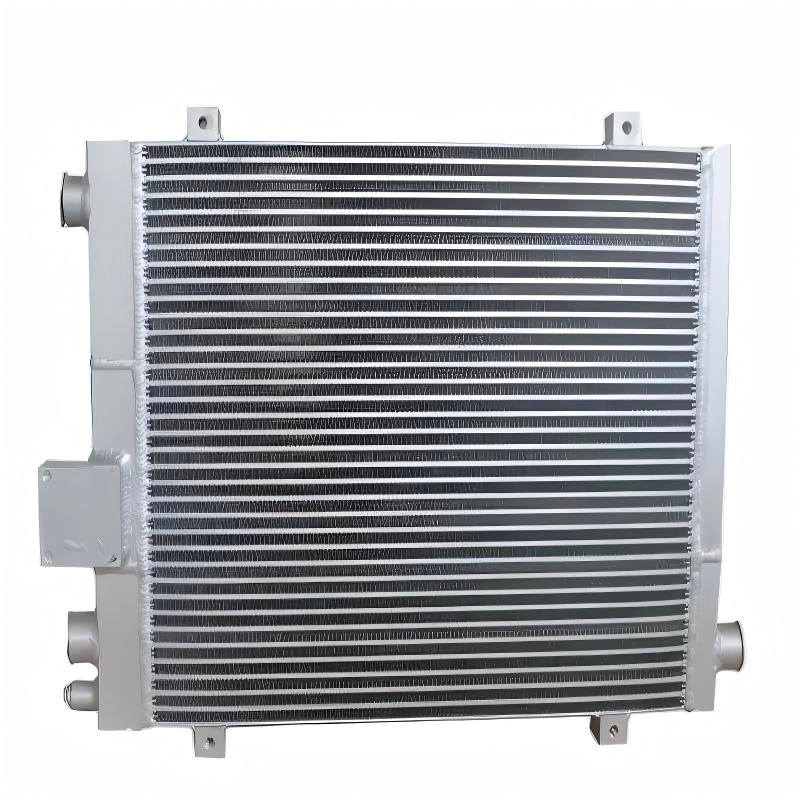
Car Radiator Core: Aluminum Plate-Fin Cooling Solutions
A car radiator core is the central heat exchange component responsible for regulating engine temperature and maintaining stable thermal performance in automotive and industrial systems. It is widely used in passenger vehicles, heavy-duty trucks, racing cars, construction machinery, and industrial cooling equipment.
In modern thermal management systems, the radiator core often determines overall cooling efficiency. Many overheating issues are not caused by external tanks, but by reduced performance inside the engine cooling core, usually due to corrosion, clogging, weak airflow, or inefficient fin structure design.
For distributors, repair centers, and equipment manufacturers, choosing the right radiator core is not only about size matching. Buyers also need to consider aluminum vs copper radiator core performance, plate-fin heat exchanger efficiency, cooling capacity under high load conditions, OEM compatibility, and long-term durability in demanding environments.
What Is a Car Radiator Core?
A car radiator core is the internal heat exchange structure inside a radiator assembly. Its job is to transfer heat from hot coolant to surrounding airflow through conduction and convection.
Core Structure Includes:
- Aluminum cooling tubes
- Heat dissipation fins
- Side support plates
- Brazed aluminum bonding structure
As coolant flows through the internal tubes, airflow passes over the fins and removes heat from the core. A well-designed structure helps the engine maintain a stable working temperature, especially under continuous load or high ambient temperature.

How Radiator Core Design Affects Cooling Performance
Cooling efficiency is determined not only by core size. Internal structure, airflow balance, and material quality all affect real operating performance.
- Tube density affects coolant distribution efficiency
- Fin pitch influences heat transfer surface area
- Airflow resistance affects cooling stability
- Brazing quality affects thermal conductivity and durability
- Material selection affects weight, corrosion resistance, and service life
Small structural differences can create noticeable performance changes in high-load environments such as heavy trucks, racing vehicles, construction machinery, and industrial cooling systems.
Our Radiator Core Product Categories
Our radiator core solutions are mainly divided into three professional categories based on cooling media and application requirements.
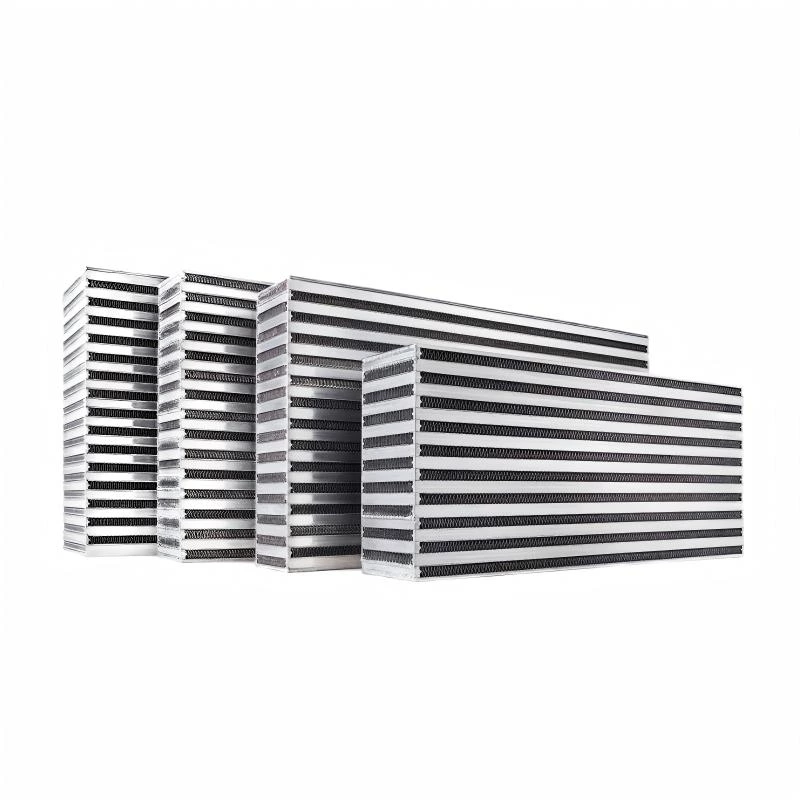
Plate-Fin Oil Cooler Core
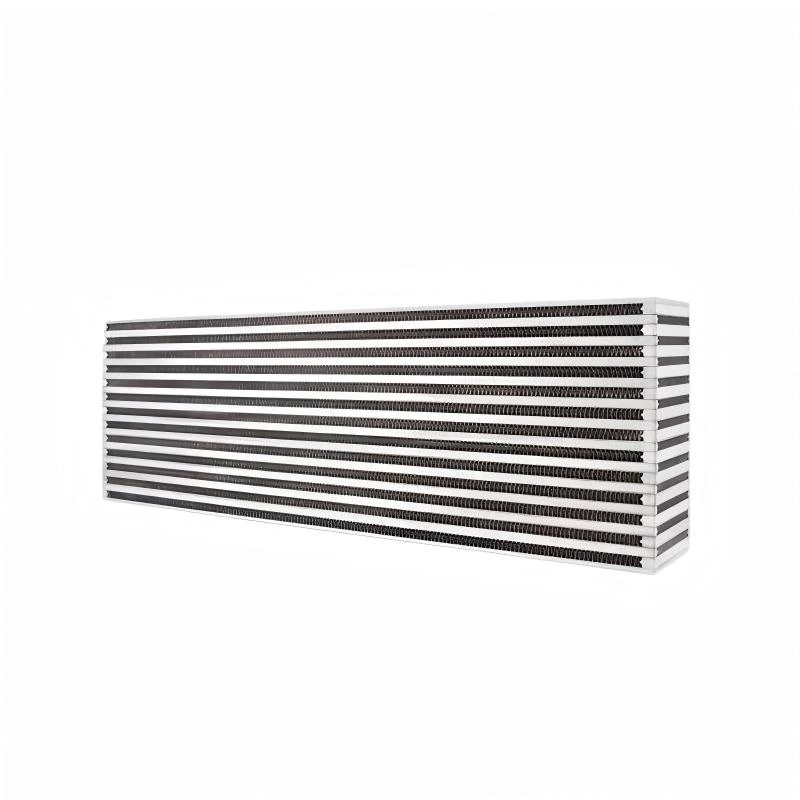
Plate-Fin Air Cooler Core
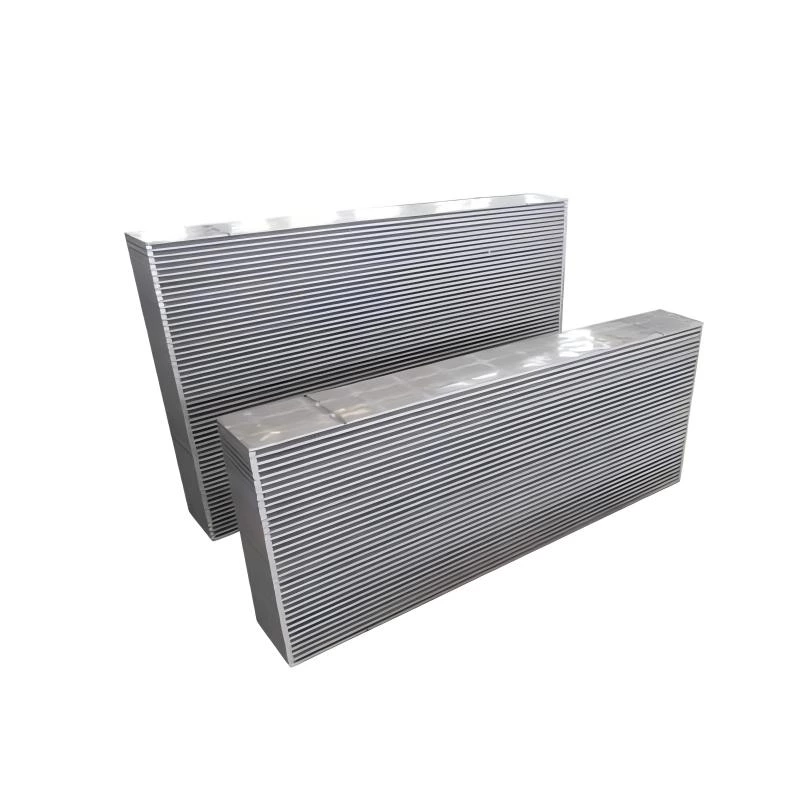
Plate-Fin Water Cooler Core
Plate-Fin Oil Cooler Core
The plate-fin oil cooler core is designed for hydraulic systems, engine oil cooling, transmission systems, and industrial machinery.
It provides efficient heat exchange for high-viscosity fluids under continuous high-pressure operation. This type is recommended when oil temperature control affects hydraulic efficiency, lubrication stability, or transmission performance.
- Hydraulic oil cooling systems
- Transmission oil cooling
- Heavy machinery lubrication systems
- Industrial equipment heat control
Plate-Fin Air Cooler Core
The plate-fin air cooler core is optimized for air-to-air or air-to-fluid heat exchange systems. It is commonly used in compressors, turbocharged systems, and industrial airflow cooling environments.
This core is suitable for applications where airflow performance, pressure drop control, and stable heat dissipation are critical during long operating cycles.
- Air compressor cooling systems
- Turbocharged engine intercoolers
- Industrial ventilation cooling systems
- High-efficiency airflow heat exchange applications
Plate-Fin Water Cooler Core
The plate-fin water cooler core is designed for liquid cooling systems, especially engine cooling and industrial water circulation systems.
This option is more suitable when stable coolant circulation and engine temperature control are the main requirements.
- Automotive engine cooling systems
- Heavy-duty truck radiators
- Industrial water circulation cooling
- Construction machinery thermal systems
Aluminum vs Copper Radiator Core Comparison
| Feature | Aluminum Core | Copper Core |
|---|---|---|
| Weight | Lightweight | Heavy |
| Heat Efficiency | High with optimized plate-fin structure | High material conductivity |
| Corrosion Resistance | Strong | Moderate |
| Repairability | Limited | Better repairability |
| Cost | More cost-effective for mass production | Usually higher |
| Industry Usage | Mainstream modern choice | Used in limited applications |
Industry trend: Aluminum brazed plate-fin structures are now widely used in modern automotive and industrial cooling systems because they offer a practical balance of weight, heat transfer efficiency, production consistency, and cost control.
Applications of Car Radiator Cores
- Passenger vehicle cooling systems
- Racing and performance vehicles
- Heavy-duty trucks and trailers
- Construction machinery such as excavators and loaders
- Air compressors and power systems
- Industrial hydraulic cooling systems
Our In-Stock Aluminum Radiator Core Specifications
We provide verified in-stock aluminum plate-fin radiator cores for automotive and industrial applications. The following models are selected examples. Final selection should be based on cooling load, installation space, operating pressure, and connection design.
Plate-Fin Water Cooler Core Selected Models
| Model | Size (mm) | Weight | Application |
|---|---|---|---|
| JSY2602 | 980×470×145 | 42.5kg | Trucks / Racing |
| JSY2578 | 650×400×140 | 25.2kg | Heavy Trucks |
| JSY2581 | 450×300×76 | 8kg | Cars / Racing |
| JSY2580 | 460×370×80 | 10kg | Vehicle Cooling |
| JSY2577 | 762×654×140 | 44.8kg | Heavy-duty systems |
Plate-Fin Oil Cooler Core Selected Models
| Model | Size (mm) | Weight | Application |
|---|---|---|---|
| JSY2596 | 750×1200×90 | 53.8kg | Construction / Trucks |
| JSY2594 | 1000×1200×60 | 47.5kg | Industrial cooling |
| JSY2589 | 730×1200×60 | 35kg | Oil / Water systems |
| JSY2591 | 830×1200×60 | 39.8kg | Heavy equipment |

What Buyers Should Confirm Before Ordering a Radiator Core
Before placing an order, buyers should confirm more than the outside dimensions. A radiator core may look similar from the outside, but the internal structure can be very different.
- Core size and thickness: confirm length, width, thickness, and available installation space
- Cooling medium: water, oil, air, or mixed cooling conditions
- Operating pressure: check whether the core can meet system pressure requirements
- Working environment: consider heat, dust, vibration, and continuous-duty operation
- Connection design: confirm inlet, outlet, mounting position, and layout requirements
- Reference information: provide drawings, samples, OEM numbers, or photos when available
- Order requirements: confirm quantity, lead time, packaging, and export requirements
Clear technical information helps reduce selection errors and allows the supplier to recommend a core structure that better matches the application.
How to Choose the Right Radiator Core
- Application type: passenger cars, racing vehicles, heavy machinery, or industrial systems
- Cooling load: higher load may require a thicker core, stronger fin structure, or larger heat exchange area
- OEM fitment: match dimensions, mounting points, and inlet/outlet positions
- Environment: consider high temperature, dust, vibration, and working cycle
For heavy-duty systems, choosing only by size is not enough. Cooling load, airflow condition, and internal core design should all be considered before final selection.
Common Radiator Core Problems
Radiator core failure usually develops gradually. In many cases, early symptoms appear before a complete cooling system failure.
- Clogged core: internal deposits or external debris reduce coolant flow and airflow efficiency
- Core leakage: weak brazing, corrosion, or vibration damage may cause coolant loss
- Poor cooling performance: inefficient fin design or blocked airflow can increase operating temperature
- Corrosion: poor coolant quality may damage internal channels over time
- Fin deformation: bent fins reduce airflow and lower heat dissipation efficiency
Once cooling efficiency drops, engines or hydraulic systems may overheat under normal working load. Early inspection can help avoid larger repair costs.
Signs Your Radiator Core Needs Replacement
- Engine overheating under normal load
- Coolant leakage
- Reduced cooling efficiency
- Blocked or deformed fins
- Internal corrosion or pressure instability
- Frequent coolant refill requirements
Custom Radiator Core Manufacturing Support
For OEM projects or special cooling systems, standard core sizes may not fully match the required installation space or thermal load. We support custom radiator core manufacturing based on drawings, samples, or technical specifications.
- Custom core size and thickness
- Fin structure and tube layout adjustment
- Oil, air, and water cooling media options
- Mounting and connection design support
- Small batch and bulk production support
- Customization for automotive, construction machinery, compressor, and industrial cooling applications
This flexibility is useful for replacement projects, equipment upgrades, and manufacturers developing cooling systems for specific operating conditions.
Manufacturing Capability & Quality Control
Our aluminum radiator cores are produced using stable manufacturing processes and strict inspection standards.
- Vacuum brazing technology
- Pressure leakage testing
- Material inspection
- Dimensional tolerance control
- Thermal performance validation
Since 2012, we have supplied over 20,000 aluminum cooling cores to global distributors and industrial equipment manufacturers across Europe, Southeast Asia, and the Middle East.
Why Choose Our Aluminum Radiator Cores
- OEM and aftermarket support
- Custom engineering based on drawings or samples
- Stable mass production capability
- Fast quotation response
- Global export experience
- Technical support for oil, air, and water cooling applications
Frequently Asked Questions
What is the lifespan of a radiator core?
A radiator core typically lasts 5 to 10 years, depending on coolant quality, maintenance, operating temperature, and working environment.
Can aluminum radiator cores be repaired?
Minor external damage may be repairable in some cases. However, internal tube failure, serious corrosion, or structural leakage usually requires replacement.
Is aluminum better than copper for radiator cores?
Aluminum plate-fin cores are widely used because they offer a good balance of weight, cost, corrosion resistance, and cooling efficiency. Copper has strong conductivity but is heavier and usually more expensive.
Do you support custom radiator core manufacturing?
Yes. We support OEM customization based on drawings, samples, dimensions, cooling media, and application requirements.
What industries use plate-fin radiator cores?
Plate-fin cores are used in automotive cooling systems, construction machinery, air compressors, hydraulic systems, power equipment, and industrial heat exchangers.
How do I choose between oil, air, and water cooler cores?
The choice depends on the cooling medium and application. Oil cooler cores are used for hydraulic and lubrication systems, air cooler cores are used for airflow or compressor cooling, and water cooler cores are used for coolant circulation and engine cooling systems.
Request a Quote
If you are sourcing a car radiator core, oil cooler core, air cooler core, or water cooler core, we can provide technical selection support, OEM customization, and fast quotation services.
to discuss your project and get a tailored cooling solution.