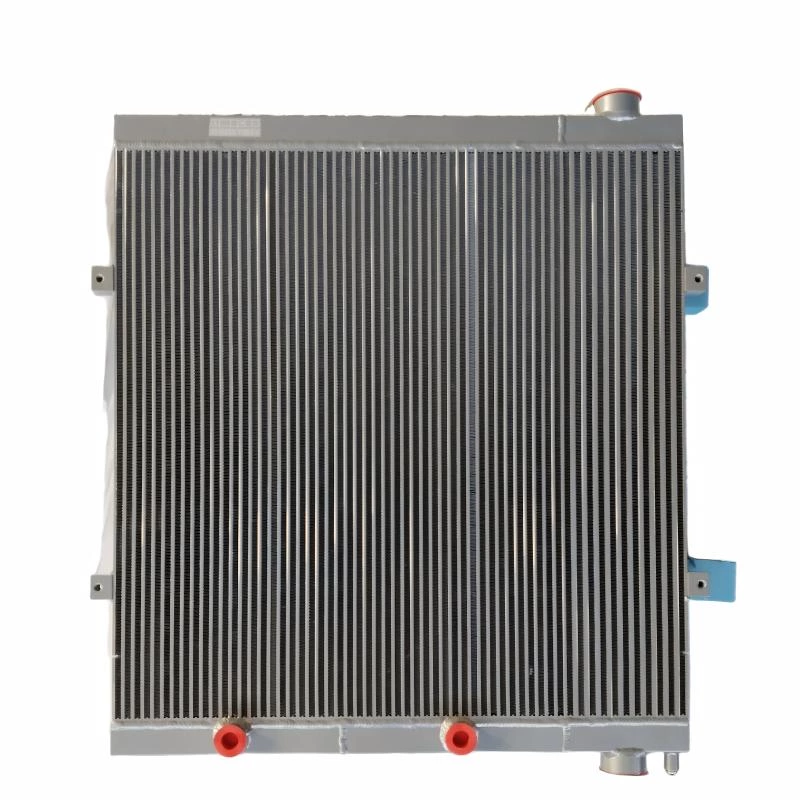
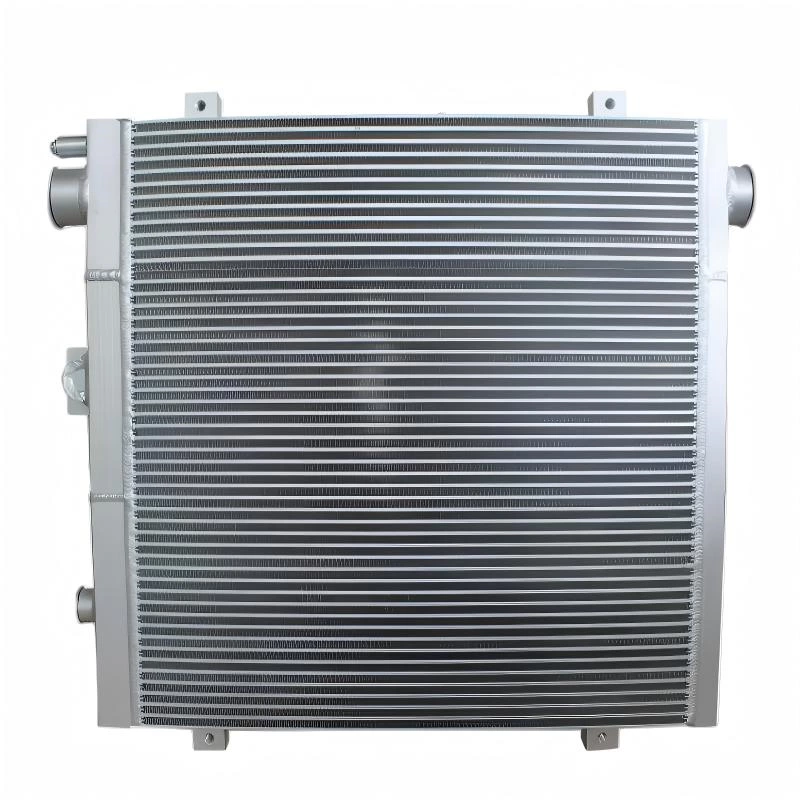
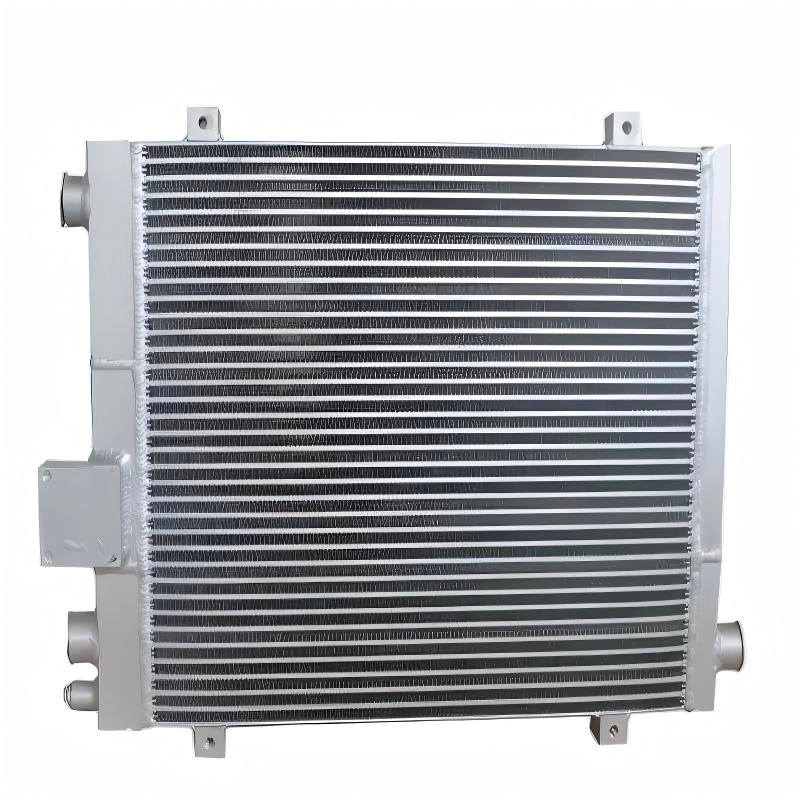
Front Mount Intercooler: Benefits, Cooling Performance, and Aluminum Intercooler Solutions
Turbocharged engines produce a significant amount of heat, especially under sustained boost or aggressive driving conditions. As compressed air exits the turbocharger, intake temperatures rise rapidly. Hot intake air contains less oxygen, which reduces combustion efficiency and can lead to inconsistent power delivery.
That is why intercooling becomes increasingly important as boost pressure and engine output increase. A properly designed front mount intercooler helps reduce intake temperatures before the air reaches the engine, allowing the turbo system to operate more consistently under load.
Front mount intercoolers are widely used in performance street cars, racing vehicles, diesel trucks, off-road applications, and upgraded turbo systems because they offer stronger cooling performance and improved thermal stability compared to smaller factory intercoolers.

What Is a Front Mount Intercooler?
A front mount intercooler, often called an FMIC, is a heat exchanger installed at the front of the vehicle, usually behind the front bumper and ahead of the radiator. Its job is to cool compressed intake air coming from the turbocharger or supercharger.
The front mounting position gives the intercooler direct exposure to outside airflow. Compared to side mount or top mount designs, this location generally allows heat to dissipate more efficiently, especially at higher vehicle speeds.
As intake temperatures decrease, air density improves. Cooler, denser air allows the engine to burn fuel more efficiently, which can improve horsepower, throttle response, boost consistency, and overall engine reliability.
In performance applications, maintaining stable intake temperatures is often just as important as increasing peak horsepower numbers. Excessive heat buildup can quickly reduce performance once the vehicle is driven aggressively for extended periods.
How a Front Mount Intercooler Works
When a turbocharger compresses air, temperatures rise as a natural result of the compression process. The harder the turbo works, the hotter the intake charge becomes. Without proper cooling, elevated intake temperatures can reduce power and increase the likelihood of detonation or engine knock.
The intercooler works by transferring heat away from the compressed air. Inside the intercooler core, hot intake air flows through internal passages while outside air moves across external cooling fins. Heat is exchanged through the aluminum core before the cooled air exits toward the intake manifold.
- Turbocharger compresses incoming air
- Hot pressurized air enters the intercooler core
- Heat transfers through internal aluminum passages
- Ambient airflow removes heat from the cooling fins
- Cooled air flows into the engine intake system
Lower intake temperatures help stabilize ignition timing, improve combustion efficiency, and reduce thermal stress on the engine under heavy load.
Why Front Mount Intercoolers Are Popular in Performance Applications
Improved Cooling Efficiency During Continuous Driving
The biggest advantage of a front mount intercooler is airflow exposure. Because the core sits directly behind the front bumper, it receives a constant stream of outside air while the vehicle is moving. This allows the system to remove heat more effectively compared to side mount intercoolers that may experience restricted airflow inside the engine bay.
The difference becomes more noticeable during repeated acceleration, highway driving, track use, towing, or hot weather operation. Smaller factory intercoolers can become heat soaked relatively quickly under these conditions, causing intake temperatures to climb and performance to drop.
A larger FMIC helps maintain more stable intake temperatures over longer periods, which improves boost consistency and overall driving performance.
More Consistent Power Output
Turbocharged engines often feel strong during short acceleration runs, but performance can become inconsistent once heat begins accumulating throughout the intake system. Rising intake temperatures force the ECU to reduce ignition timing in order to protect the engine.
This is one reason why some vehicles feel noticeably slower after repeated pulls or aggressive driving. A properly sized front mount intercooler helps reduce this performance drop by controlling intake temperatures more effectively.
Instead of producing strong power briefly and then fading, the engine can maintain more stable performance throughout longer driving sessions.
Better Support for High-Boost Turbo Setups
As boost pressure increases, intake temperatures rise much faster. Factory intercoolers are typically designed around stock boost levels and moderate thermal loads. Once larger turbochargers, ECU tuning, or upgraded fuel systems are added, the original intercooler may no longer provide enough cooling capacity.
Front mount intercoolers usually offer larger core volume and increased cooling surface area, allowing them to handle higher airflow and greater thermal demand more efficiently.
For modified engines, maintaining stable intake temperatures is critical for reliable power delivery. An undersized intercooler may still produce acceptable dyno numbers during a short run, but heat buildup can quickly affect real-world performance.
Reduced Risk of Engine Knock
High intake temperatures increase combustion chamber temperatures, which raises the risk of pre-ignition and detonation. This becomes even more important in turbocharged engines operating under heavy boost.
By lowering intake air temperature, a front mount intercooler helps create a safer combustion environment. This improves engine reliability while reducing long-term stress on pistons, valves, and turbo components.
For vehicles used in racing, towing, off-road driving, or hot climates, effective intercooling plays a major role in protecting the engine under sustained load.
Front Mount vs Side Mount Intercooler
| Feature | Front Mount Intercooler | Side Mount Intercooler |
|---|---|---|
| Cooling Efficiency | Higher overall cooling performance | Moderate cooling capacity |
| Airflow Exposure | Direct frontal airflow | Restricted side airflow |
| Heat Soak Resistance | Better resistance under repeated load | Heat soak occurs more quickly |
| Power Support | Suitable for high horsepower setups | Better for stock configurations |
| Installation Complexity | Moderate to high | Simpler installation |
| Common Applications | Performance and racing vehicles | Factory turbocharged vehicles |
Why Aluminum Is Widely Used in Intercoolers

Most modern intercoolers are manufactured from aluminum because it offers an excellent balance of thermal efficiency, weight reduction, durability, and manufacturing flexibility.
Efficient Heat Transfer
Aluminum transfers heat quickly, which helps reduce intake temperatures more efficiently under continuous airflow conditions. This makes it highly suitable for turbocharged cooling systems.
Lightweight Construction
Compared to heavier metals, aluminum reduces additional front-end weight while still maintaining structural strength under pressure.
Corrosion Resistance
Intercoolers operate in harsh environments exposed to moisture, road debris, temperature fluctuations, and vibration. Aluminum provides strong resistance against corrosion and oxidation over time.
Flexible Manufacturing Options
Aluminum intercoolers can be produced in different core sizes, fin structures, tank designs, and piping layouts to support a wide range of vehicle platforms and turbo configurations.
Intercooler Core Designs
Bar and Plate Intercoolers
Bar and plate cores are commonly used in high-performance applications because of their durability and strong heat dissipation capability.
These intercoolers are heavier than tube and fin designs, but they perform well under high boost and demanding thermal conditions.
- High structural strength
- Excellent cooling performance
- Handles high boost pressure effectively
- Suitable for racing and aggressive driving
Tube and Fin Intercoolers
Tube and fin intercoolers are lighter and often used in OEM or moderate-performance applications where airflow efficiency and reduced weight are priorities.
- Lighter overall construction
- Lower airflow restriction
- Cost-effective manufacturing
- Suitable for street vehicles
Important Factors When Choosing a Front Mount Intercooler
Core Size and Airflow Balance
Larger intercoolers generally improve cooling capacity, but core size must match the engine setup properly. An oversized intercooler may increase airflow volume unnecessarily and contribute to additional turbo lag.
The goal is to balance cooling efficiency, airflow response, and pressure drop according to the vehicle’s power level and intended use.
Pressure Drop Performance
An intercooler should cool intake air effectively without creating excessive airflow restriction. Poor internal flow design can reduce boost response and negatively affect overall engine performance.
High-quality intercoolers are engineered to balance thermal efficiency with stable airflow characteristics.
Construction Quality
Welding quality becomes increasingly important in high-boost applications. TIG-welded aluminum end tanks and reinforced piping connections improve durability under pressure and vibration.
Reliable construction also reduces the risk of boost leaks over long-term use.
Vehicle Compatibility
Proper fitment is essential for airflow routing, bumper clearance, piping layout, and installation efficiency. In many aftermarket projects, custom piping or modified brackets may be required to optimize installation.
Common Applications of Front Mount Intercoolers
Front mount intercoolers are widely used across many turbocharged vehicle categories and industrial applications.
- Performance street cars
- Track and racing vehicles
- Modified turbocharged engines
- Diesel trucks
- Off-road vehicles
- Heavy-duty commercial vehicles
- Motorsport applications
They are especially beneficial in applications involving sustained high load, elevated boost pressure, or high ambient operating temperatures.
Custom Aluminum Intercooler Solutions
Different vehicles and turbo systems require different intercooler specifications. Core dimensions, airflow demand, available installation space, and boost pressure all influence the final design.
Custom aluminum intercoolers are commonly developed for aftermarket performance upgrades, racing applications, OEM replacement projects, and specialized industrial cooling systems.
Custom solutions can include:
- Core size optimization
- Custom inlet and outlet positioning
- Specific piping diameters
- High-boost reinforcement
- Vehicle-specific fitment
- Application-based airflow design
Contact us to discuss custom intercooler solutions for your project or vehicle platform.

Signs an Intercooler Upgrade May Be Necessary
Many factory intercoolers work well at stock power levels, but limitations often appear once boost pressure or engine load increases.
Common signs that an upgraded intercooler may be needed include:
- High intake air temperatures
- Power loss during repeated acceleration
- Heat soak in hot weather
- Inconsistent boost performance
- Turbocharger upgrades
- Engine knock under load
Upgrading to a properly designed front mount intercooler can improve thermal stability, reduce heat buildup, and help maintain more consistent engine performance.
Conclusion
A front mount intercooler plays a critical role in turbocharged engine performance by reducing intake temperatures and improving combustion stability under load.
Compared to smaller or less exposed cooling systems, FMIC setups typically provide better airflow exposure, improved heat dissipation, and more consistent performance during aggressive driving or high-boost operation.
Aluminum intercoolers remain the industry standard because they combine efficient heat transfer, lightweight construction, corrosion resistance, and flexible manufacturing options for a wide range of vehicle applications.
Whether used for performance upgrades, racing builds, diesel applications, or heavy-duty turbo systems, selecting the right intercooler design can significantly improve thermal efficiency, engine reliability, and long-term performance consistency.