Excavator Radiator: Functions, Common Problems, and Maintenance Guide
Excavators operate in demanding environments where engines and hydraulic systems generate large amounts of heat during continuous operation. Without an efficient cooling system, excessive temperatures can reduce performance, damage components, and lead to expensive downtime.
The excavator radiator is one of the most important parts of the cooling system. It helps regulate engine temperature by transferring heat away from the coolant and releasing it into the air. In modern heavy equipment, radiators often work together with hydraulic oil coolers, intercoolers, and condenser units to maintain stable operating conditions.
Understanding how excavator radiators work, common failure causes, and proper maintenance methods can help equipment owners improve reliability and reduce repair costs.

What Is an Excavator Radiator?
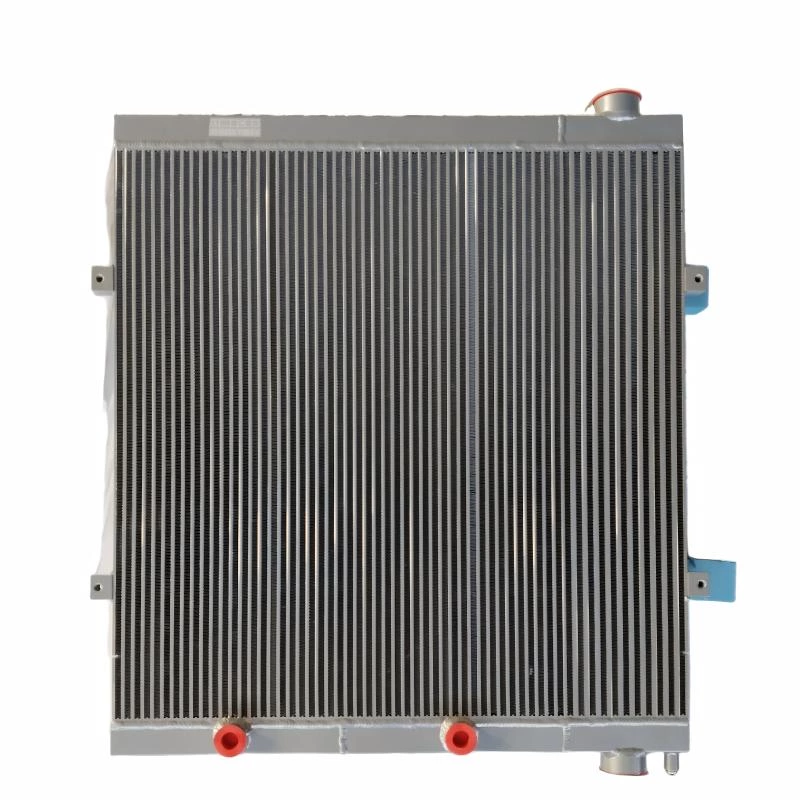
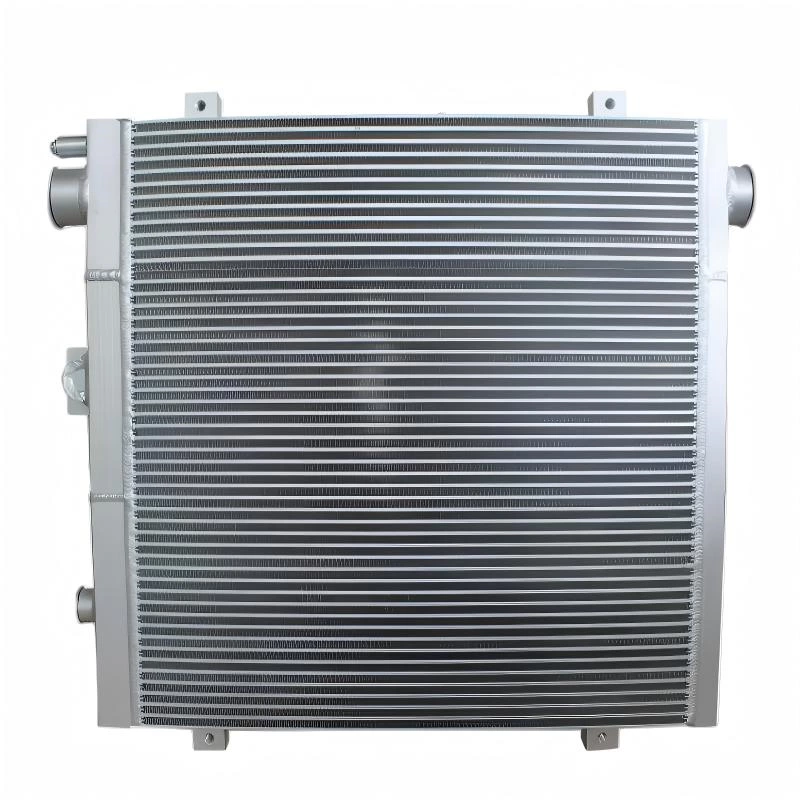
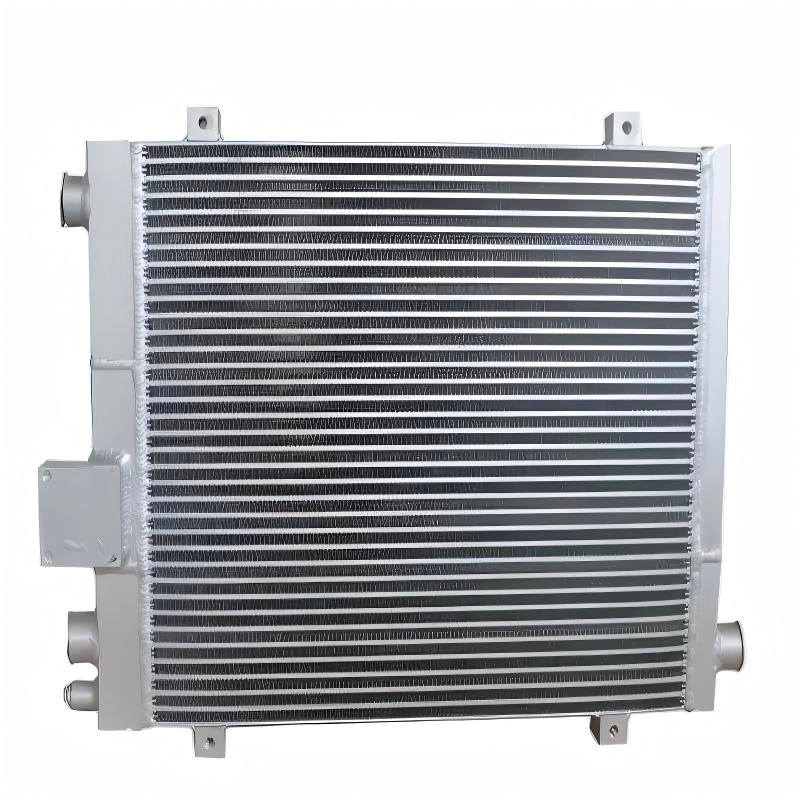
An excavator radiator is a heat exchanger designed to cool the engine coolant circulating through heavy construction machinery. As coolant absorbs heat from the engine, it flows into the radiator where the heat is dissipated through cooling fins and airflow.
Most excavator cooling systems include:
- Engine radiator
- Hydraulic oil cooler
- Charge air cooler (intercooler)
- Cooling fan system
- Coolant reservoir and piping
These components work together to prevent overheating during high-load operations.
How Excavator Radiators Work
The cooling process follows several steps:
- The engine generates heat during combustion.
- Coolant absorbs the heat while circulating through the engine block.
- Hot coolant flows into the radiator core.
- Airflow from the cooling fan removes heat from the radiator fins.
- The cooled coolant returns to the engine.
Heavy-duty excavators often operate in dusty, muddy, or high-temperature environments, making radiator efficiency extremely important for machine stability.
Main Types of Excavator Radiators
Aluminum Excavator Radiators
Aluminum radiators are widely used because they offer:
- Lightweight structure
- High thermal efficiency
- Corrosion resistance
- Better fuel efficiency support
They are commonly found in modern excavators and construction machinery.
Copper-Brass Radiators
Copper-brass radiators provide:
- Strong repairability
- Excellent durability
- Stable heat transfer performance
These are often preferred for older machines or specific industrial applications.

Common Excavator Radiator Problems
Radiator Clogging
Dust, mud, oil residue, and debris can block airflow through radiator fins. This reduces cooling efficiency and may cause overheating.
Common symptoms include:
- Rising coolant temperature
- Reduced cooling performance
- Frequent overheating alarms
Coolant Leakage
Leaks may develop from:
- Damaged radiator cores
- Cracked tanks
- Loose hose connections
- Corrosion inside the system
Coolant loss can quickly lead to engine overheating if not repaired.
Corrosion and Rust
Poor coolant quality or infrequent maintenance can cause internal corrosion, reducing radiator lifespan and restricting coolant flow.
Cooling Fan Failure
A damaged fan motor or worn fan clutch can reduce airflow across the radiator, especially during low-speed operation.
Overheating Under Heavy Load
Excavators working in mining, demolition, or high-temperature environments may experience overheating if the radiator capacity is insufficient.
Signs Your Excavator Radiator Needs Attention
Operators should inspect the cooling system if they notice:
- Engine temperature warning lights
- Steam around the radiator area
- Coolant consumption increasing
- Reduced machine performance
- Coolant discoloration
- Visible fin damage or blockage
Early inspection can prevent major engine damage and reduce downtime.
Excavator Radiator Maintenance Tips
Clean the Radiator Regularly
Use compressed air or low-pressure water to remove dust and debris from radiator fins. Cleaning frequency should increase in dusty environments.
Check Coolant Quality
Always use the recommended coolant type and maintain proper coolant concentration to reduce corrosion and scale buildup.
Inspect Hoses and Connections
Loose or cracked hoses may cause coolant leakage and pressure loss.
Monitor Fan Performance
Ensure cooling fans operate correctly and airflow is unobstructed.
Avoid Fin Damage
Bent cooling fins reduce airflow efficiency. Handle cleaning carefully to avoid damaging the radiator surface.
Excavator Radiator Replacement Guide
Radiator replacement may become necessary when:
- The core is severely damaged
- Internal blockage cannot be repaired
- Repeated leakage occurs
- Cooling performance drops significantly
When selecting a replacement excavator radiator, important factors include:
- Machine model compatibility
- Cooling capacity
- Core material
- Operating environment
- OEM or aftermarket requirements
Reliable radiator suppliers can also provide customized cooling solutions for mining equipment, loaders, bulldozers, and other heavy machinery applications.
Excavator Cooling System Applications
Excavator radiators are widely used in:
- Construction machinery
- Mining equipment
- Agricultural machinery
- Forestry equipment
- Earthmoving machinery
- Industrial diesel equipment
Efficient cooling systems help improve equipment durability and operational stability across demanding industries.
Custom Excavator Radiator Solutions
We provide excavator radiator solutions for various heavy equipment brands and applications. Custom manufacturing options are available based on:
- Core size
- Cooling capacity
- Tank structure
- Material selection
- Mounting dimensions
- Working environment requirements
OEM and aftermarket replacement radiators can be developed for different construction machinery systems.
FAQ
Why does an excavator radiator overheat?
Overheating is commonly caused by clogged fins, coolant leakage, fan failure, internal blockage, or insufficient airflow.
How often should an excavator radiator be cleaned?
Machines operating in dusty or mining environments may require radiator cleaning daily or weekly depending on working conditions.
What coolant should be used in excavators?
Manufacturers typically recommend heavy-duty coolant with anti-corrosion additives suitable for diesel engines.
Can a leaking excavator radiator be repaired?
Minor leaks may sometimes be repaired, but severely damaged or corroded radiators often require replacement.
What is the difference between a radiator and an oil cooler?
A radiator cools engine coolant, while an oil cooler removes heat from hydraulic or lubrication oil systems.
Conclusion
The excavator radiator plays a critical role in maintaining engine temperature and protecting heavy equipment from overheating. Proper maintenance, regular cleaning, and timely replacement can significantly improve machine reliability and reduce operating costs.
Whether used in construction, mining, or industrial applications, a high-performance excavator cooling system helps ensure stable operation under demanding conditions.