Air Compressor Overheating: Causes, Diagnosis, and Solutions
Air compressors generate heat as a natural part of the compression process. As air pressure increases, temperature rises rapidly, placing additional stress on internal components, lubricants, and cooling systems. Under normal operating conditions, this heat is controlled through a combination of cooling circuits, airflow management, and heat exchanger technology.
Problems arise when the heat generated exceeds the system's ability to dissipate it. Once operating temperatures climb beyond the recommended range, compressor efficiency begins to decline. Lubricants degrade faster, component wear accelerates, and the risk of unexpected shutdowns increases significantly.
For industrial facilities that rely on compressed air for production, overheating is more than a maintenance issue. It can lead to reduced productivity, increased operating costs, and costly downtime. Understanding the causes of overheating is the first step toward improving compressor reliability and long-term performance.
Why Air Compressor Overheating Should Not Be Ignored
Many operators first notice overheating when a compressor shuts down unexpectedly or when discharge temperatures begin rising above normal levels. While restarting the machine may temporarily solve the issue, overheating is often a warning sign that an underlying cooling or operating problem already exists.
Reduced Efficiency and Higher Energy Consumption
As compressor temperatures increase, the system must work harder to maintain the same output. Elevated temperatures reduce volumetric efficiency and can increase energy consumption over time. For facilities operating multiple compressors, even a small drop in efficiency can translate into significant energy costs throughout the year.

Accelerated Component Wear
Excessive heat affects more than air temperature alone. Bearings, seals, hoses, and internal moving components are all exposed to higher thermal stress. When operating temperatures remain elevated for extended periods, wear rates increase and maintenance intervals often become shorter.
Lubricant Degradation
Compressor oil plays a critical role in lubrication, sealing, and heat transfer. High temperatures accelerate oil oxidation, reduce viscosity stability, and shorten lubricant life. Once oil performance begins to deteriorate, the cooling system must work even harder, creating a cycle that can further increase operating temperatures.
Increased Risk of Unplanned Downtime
Many modern compressors include thermal protection systems designed to prevent severe damage. While these safety systems help protect equipment, they can also result in unexpected production interruptions when overheating occurs repeatedly.
Common Signs of an Overheating Air Compressor
Overheating rarely occurs without warning. In many cases, operators notice changes in performance before serious damage develops.
| Symptom | Possible Impact |
|---|---|
| High discharge temperature | Reduced cooling efficiency |
| Frequent shutdowns | Thermal protection activation |
| Increased oil consumption | Lubricant degradation |
| Reduced air output | Lower system performance |
| Excessive operating noise | Increased component stress |
| Hot compressor housing | Insufficient heat dissipation |
Recognizing these warning signs early can help prevent larger failures and reduce maintenance costs.
What Causes Air Compressor Overheating?
Air compressor overheating rarely results from a single component failure. In most cases, operating temperatures rise gradually as cooling efficiency declines, airflow becomes restricted, or heat generation exceeds the system's ability to dissipate it.
Understanding the most common causes can help operators identify problems earlier and reduce the risk of unexpected shutdowns.
Cooling System Limitations
The cooling system is responsible for removing heat generated during compression. When heat production exceeds cooling capacity, temperatures begin to rise throughout the system.
This problem is often seen when compressors are upgraded for higher output while retaining the original cooler design. It can also occur when equipment is installed in hotter operating environments than originally intended.
Common cooling-related issues include:
- Undersized coolers
- Damaged heat exchanger cores
- Reduced fan performance
- Insufficient cooling airflow
- Aging cooling components
As cooling performance declines, discharge temperatures typically increase first, followed by rising oil temperatures and reduced operating efficiency.

Restricted Heat Transfer Caused by Contaminated Cooler Cores
Even a properly designed cooling system can struggle when heat exchanger surfaces become contaminated.
During normal operation, dust, oil mist, airborne particles, and industrial debris gradually accumulate on cooler fins. As deposits build up, airflow resistance increases and heat transfer efficiency decreases.
In severe cases, only a small portion of the cooler surface remains actively transferring heat.
Industries such as mining, cement production, woodworking, and metal processing are particularly susceptible to this problem because of high airborne contamination levels.
Regular cleaning of cooler cores is one of the simplest and most effective ways to prevent overheating.
Poor Airflow and Ventilation Conditions
Many overheating problems originate outside the compressor itself.
Compressors installed in enclosed rooms, mechanical cabinets, or confined production areas may not receive enough fresh cooling air. Instead, the machine continuously recirculates warm discharge air generated during operation.
As room temperature increases, the cooling system loses effectiveness because the temperature difference required for heat transfer becomes smaller.
Warning signs often include:
- Elevated room temperatures
- Hot air trapped around the compressor
- Reduced fan effectiveness
- Higher temperatures during summer months
Improving ventilation frequently lowers operating temperatures without requiring major equipment modifications.
High Ambient Temperature Environments
Ambient temperature has a direct impact on compressor cooling performance.
Heat exchangers remove heat by transferring thermal energy from the compressor to the surrounding air. When outside temperatures rise, the cooling system must work harder to achieve the same result.
This challenge is common in:
- Mining operations
- Construction sites
- Steel mills
- Manufacturing plants
- Outdoor compressor installations
During periods of extreme heat, systems that normally operate within acceptable temperature ranges may begin approaching thermal shutdown limits.

Lubrication-Related Heat Buildup
Lubrication problems are another major contributor to overheating.
Compressor oil not only reduces friction between moving components but also helps transfer heat away from critical internal parts. When oil quality deteriorates, both functions become less effective.
Potential lubrication issues include:
- Low oil levels
- Oil contamination
- Incorrect lubricant selection
- Oxidized or degraded oil
- Extended oil change intervals
As lubrication performance declines, internal friction increases and operating temperatures rise accordingly.
Excessive Compressor Loading
Continuous operation near maximum capacity places significant thermal stress on the entire system.
Every compressor is designed around a specific duty cycle and heat rejection capability. When demand consistently exceeds these design limits, heat accumulates faster than the cooling system can remove it.
This is particularly common when:
- Production demand increases
- Additional equipment is connected to the same compressor
- Air leaks force longer operating cycles
- Compressors are undersized for current requirements
In these situations, overheating is often a symptom of excessive workload rather than a failure of the cooling equipment itself.
How Cooling Systems Affect Compressor Temperature
A properly functioning cooling system is one of the most important factors in controlling compressor temperature. While operators often focus on motors, lubricants, or operating pressure, the ability to remove heat efficiently ultimately determines whether a compressor can operate reliably under load.
Most industrial compressors rely on a combination of oil coolers, air coolers, or water coolers to maintain stable operating temperatures. These components continuously transfer heat away from the compressor and release it into the surrounding environment.
When cooling performance begins to decline, temperatures rise gradually. In many cases, overheating is not caused by a sudden failure but by a steady reduction in heat transfer efficiency over time. Dirty cooling cores, restricted airflow, damaged fans, and aging heat exchangers can all contribute to this process.
For this reason, cooling system inspection should always be part of any overheating diagnosis.
How to Diagnose an Overheating Compressor
Successful troubleshooting starts with understanding whether the problem originates from the cooling system, operating conditions, or mechanical components.

Review Temperature Data
Modern compressors often provide temperature monitoring through control systems or sensors. Comparing current operating temperatures with historical data can help identify abnormal trends before a failure occurs.
Inspect the Cooling System
Coolers should be checked for dirt accumulation, blocked airflow passages, physical damage, and signs of corrosion. Cooling fans, shrouds, and ventilation systems should also be inspected to ensure proper airflow.
Evaluate Lubrication Condition
Oil condition can reveal valuable information about compressor health. Darkened oil, contamination, unusual viscosity changes, or excessive oil consumption may indicate overheating or lubrication-related problems.
Examine Operating Conditions
Changes in production demand, ambient temperature, installation environment, or compressor workload can all affect operating temperatures. Reviewing recent operating conditions often helps identify the root cause more quickly.
How to Prevent Air Compressor Overheating
Preventive maintenance is usually far less expensive than emergency repairs or production downtime.
| Preventive Measure | Benefit |
|---|---|
| Clean cooler cores regularly | Maintain heat transfer efficiency |
| Monitor oil condition | Improve lubrication performance |
| Ensure adequate ventilation | Reduce heat buildup |
| Inspect cooling fans | Maintain airflow performance |
| Avoid continuous overload operation | Extend equipment life |
| Monitor operating temperatures | Detect issues early |
Regular inspection and cleaning schedules are particularly important in dusty industrial environments where cooling systems can become contaminated quickly.
Why Efficient Air Compressor Coolers Matter
Cooling systems are often viewed as supporting components, yet they play a direct role in compressor reliability and operating costs.
An efficient air compressor cooler helps maintain stable oil temperatures, reduces thermal stress on components, and improves overall system performance. Better cooling can also extend lubricant life and reduce maintenance frequency.
As energy costs continue to rise, maintaining efficient heat transfer has become increasingly important. Compressors operating at lower temperatures generally perform more efficiently and experience less wear over time.
For industrial users, investing in cooling performance often delivers long-term savings through reduced downtime, lower maintenance costs, and improved equipment life.
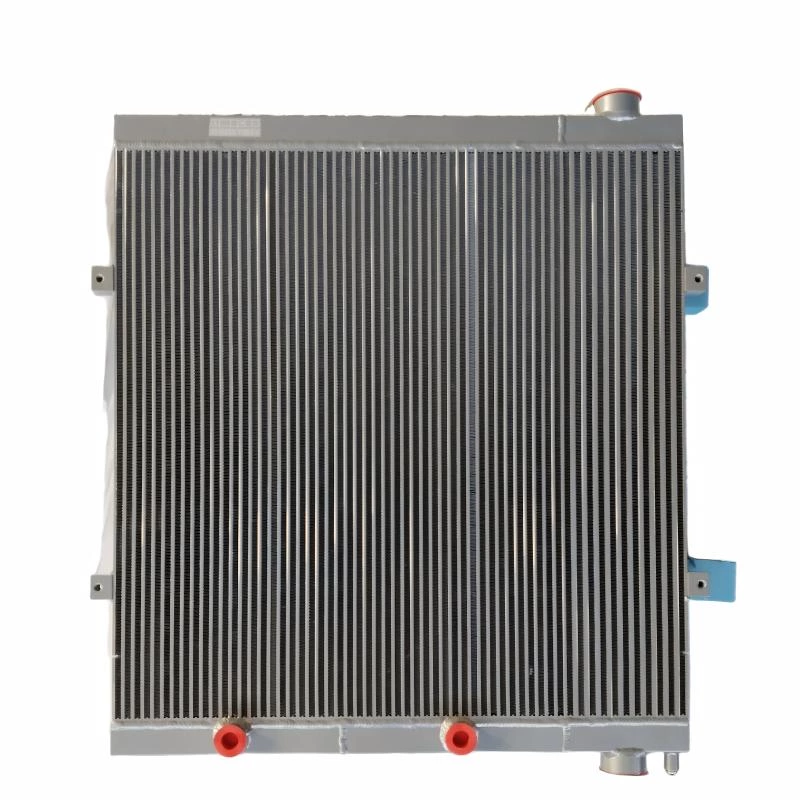
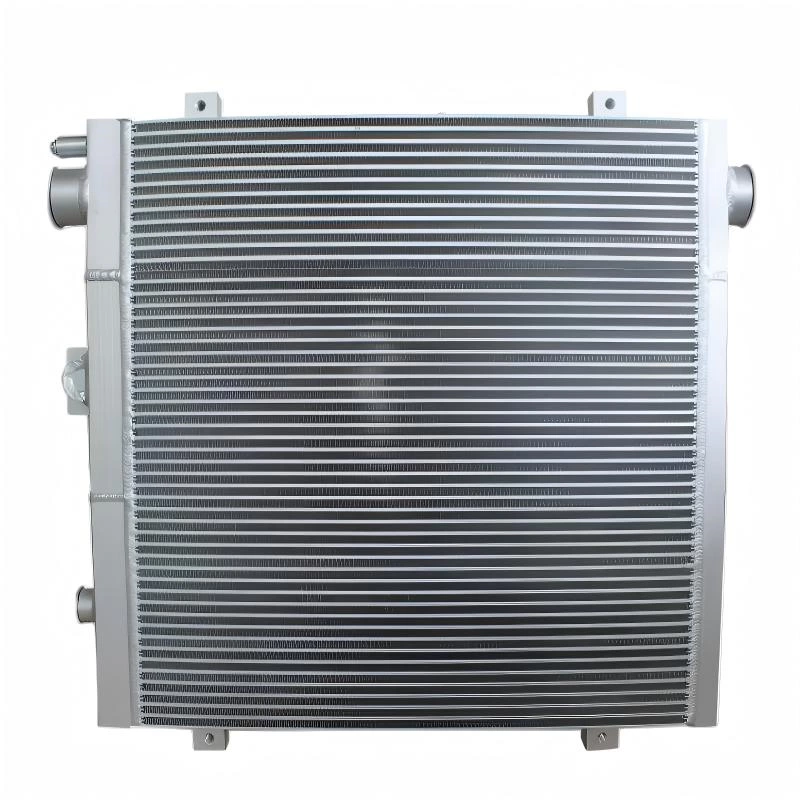
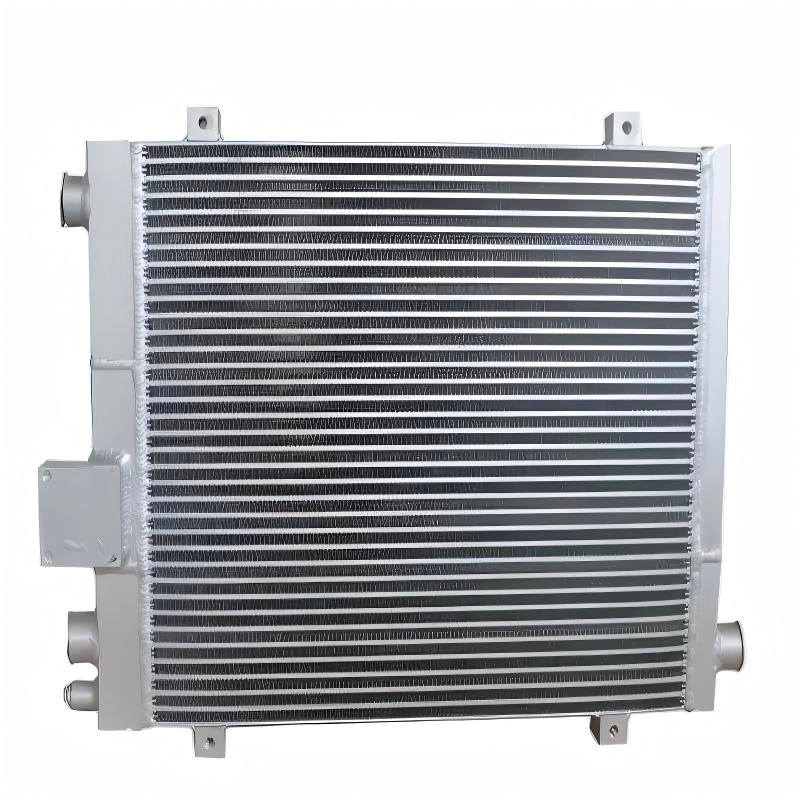
Why Plate-Fin Coolers Are Widely Used in Modern Air Compressors
As compressor manufacturers continue to pursue higher performance and more compact equipment designs, traditional cooling technologies are increasingly being replaced by aluminum plate-fin heat exchangers.
Efficient Heat Transfer in a Compact Space
One of the main advantages of a plate-fin cooler is the large heat transfer area created within a relatively small core volume. The dense fin structure increases thermal contact between airflow and the cooling medium, allowing more heat to be removed without significantly increasing cooler size.
Designed for Demanding Operating Conditions
Industrial compressors are often exposed to challenging environments, including high temperatures, vibration, dust, and fluctuating loads. Under these conditions, cooling systems must maintain both thermal efficiency and structural integrity.
Brazed aluminum plate-fin cores offer excellent pressure resistance and durability, making them suitable for heavy-duty industrial applications where reliability is critical.
Long-Term Performance and Reliability
Stable thermal management helps maintain lubricant performance, reduce component wear, and improve overall compressor efficiency. For equipment owners, this often translates into longer service intervals, lower maintenance costs, and improved operational reliability.
These advantages explain why plate-fin coolers are widely used in stationary screw compressors, portable compressor systems, industrial manufacturing equipment, and other demanding applications.
When Should You Replace an Air Compressor Cooler?
While regular maintenance can extend service life, cooling systems eventually experience wear and performance degradation.
Replacement should be considered when:
- Overheating continues despite cleaning and maintenance
- Cooler cores show signs of corrosion or leakage
- Airflow passages are permanently blocked
- Cooling performance declines significantly
- Repair costs approach replacement costs
Replacing an aging cooler before a major failure occurs can often prevent more expensive compressor damage and production interruptions.
Conclusion
Air compressor overheating is rarely an isolated problem. In most cases, it indicates reduced cooling performance, unfavorable operating conditions, lubrication issues, or excessive workload.
Identifying the root cause early can help prevent costly downtime, improve compressor efficiency, and extend equipment life. Regular inspection of cooling systems, airflow conditions, and lubrication performance remains one of the most effective ways to maintain reliable operation.
As compressor systems become more powerful and compact, efficient cooling technology plays an increasingly important role in long-term performance. High-efficiency plate-fin coolers provide a practical solution for managing heat, improving reliability, and supporting continuous industrial operation.
If you are experiencing repeated overheating issues or looking for a replacement air compressor cooler, selecting a properly designed cooling solution can significantly improve system performance and reduce long-term operating costs.
FAQ
What temperature is considered too high for an air compressor?
The acceptable temperature range depends on compressor type and manufacturer specifications. In general, unusually high discharge temperatures or frequent thermal shutdowns indicate a cooling problem that should be investigated.
Can a dirty cooler cause air compressor overheating?
Yes. Dirt, oil residue, and debris can block airflow and reduce heat transfer efficiency, making dirty cooler cores one of the most common causes of overheating.
Does low oil cause compressor overheating?
Yes. Insufficient lubrication increases friction and reduces heat transfer, often resulting in elevated operating temperatures.
Why does my air compressor overheat in summer?
Higher ambient temperatures reduce cooling efficiency and make it more difficult for the cooling system to dissipate heat effectively.
How often should compressor coolers be cleaned?
Cleaning frequency depends on operating conditions. Compressors operating in dusty or contaminated environments generally require more frequent inspections and maintenance.
Are plate-fin coolers suitable for industrial compressors?
Yes. Plate-fin coolers offer high heat transfer efficiency, compact design, pressure resistance, and long service life, making them widely used in modern industrial compressor systems.