Why Upgrade to a Performance Intercooler?
A factory intercooler is designed to match the original engine output, packaging requirements, and daily driving conditions of a vehicle. For normal commuting and standard power levels, the original cooling system usually provides sufficient performance.
However, when a turbocharged vehicle is modified, driven under high load, or operated in demanding environments, the factory intercooler may become a limiting factor. Increased boost pressure, higher airflow, and repeated acceleration generate more heat that the original intercooler may not be able to dissipate effectively.
A performance intercooler upgrade improves the cooling capacity of the intake system by using a more efficient core design, allowing the engine to maintain lower intake temperatures and more stable power output during demanding driving conditions.
When Does a Factory Intercooler Become a Limitation?
The purpose of an intercooler is not simply to cool air, but to maintain stable intake temperatures when the engine is producing power. A factory intercooler is developed with a balance between cost, weight, installation space, and expected vehicle usage.

Once the engine performance exceeds the original design conditions, the intercooler's cooling capacity may no longer be sufficient. This commonly occurs after turbo upgrades, increased boost pressure, engine tuning, or frequent high-performance driving.
In these situations, the intercooler needs to remove more heat from compressed intake air within a shorter period of time. Without enough cooling capacity, intake temperatures can rise and reduce the consistency of engine performance.
High-Load Driving Creates Greater Heat
Turbocharged engines generate additional heat because the turbocharger compresses intake air before combustion. Under normal driving conditions, this heat load is manageable. However, repeated acceleration, track driving, mountain roads, or high-speed operation can significantly increase thermal demand.
Vehicles used in hot climates, including regions with high ambient temperatures such as the Middle East, South America, and Southeast Asia, may experience even greater cooling challenges. In these environments, improving intercooler efficiency becomes especially important for maintaining stable performance.
Heat Soak: When Factory Intercoolers Start Losing Efficiency
During normal driving, a factory intercooler can usually handle the heat generated by the original engine setup. However, under repeated high-load conditions, the cooling capacity of the original design may become insufficient.
What Happens During Heat Soak?
The intercooler absorbs heat from compressed intake air, but when heat builds up faster than it can be released, the intercooler core gradually loses cooling efficiency.
This situation commonly occurs during track sessions, racing, high-boost applications, and repeated acceleration where the engine operates near maximum output for extended periods.
Performance Impact of Higher Intake Temperatures
As intake temperatures increase, air density decreases and less oxygen enters the combustion chamber. To protect the engine under excessive thermal conditions, the ECU may adjust ignition timing or reduce engine output.
Drivers may notice:
- Reduced acceleration response
- Inconsistent power delivery
- Performance loss during repeated driving
How a Performance Intercooler Helps
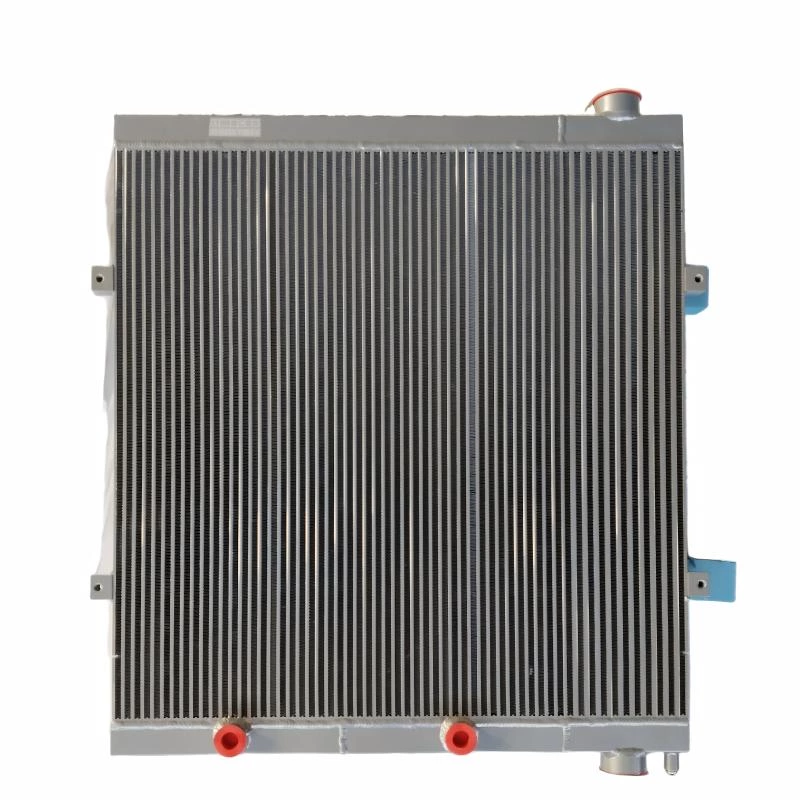
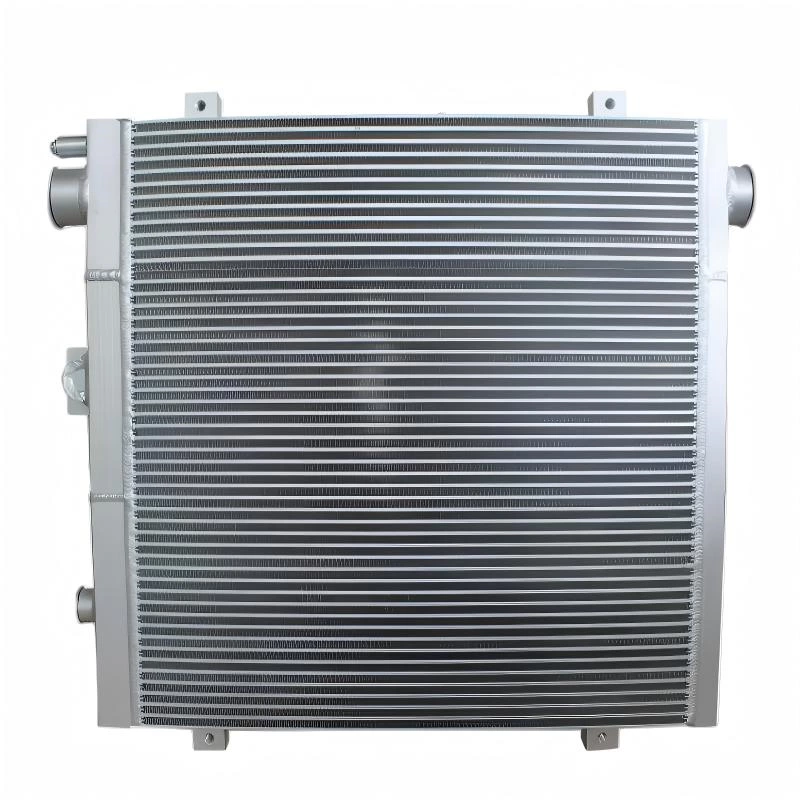
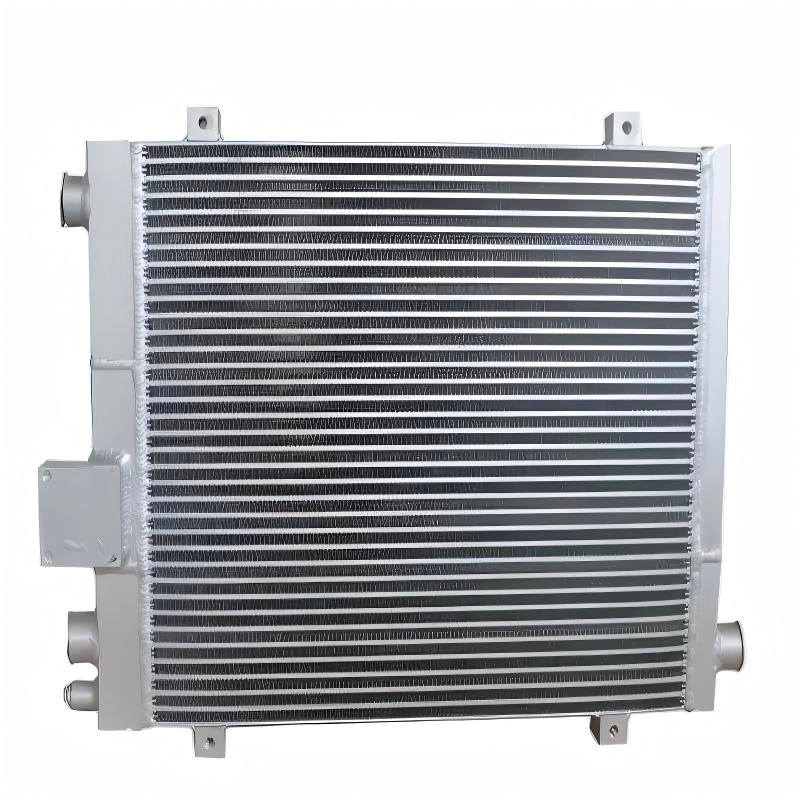
A performance intercooler is designed to manage higher thermal loads by improving heat dissipation capacity. Instead of simply increasing size, an effective design focuses on the balance between core volume, fin structure, airflow efficiency, and pressure performance.
Larger core dimensions, optimized fin designs, and improved internal airflow paths allow the intercooler to remove heat more effectively while maintaining suitable airflow resistance.
For modified turbocharged vehicles, this additional cooling capacity provides better support for increased boost pressure, higher engine output, and more consistent performance.
How a Performance Intercooler Improves Cooling Capacity
A performance intercooler improves cooling performance by increasing heat exchange efficiency while maintaining proper airflow through the intake system. Compared with a factory intercooler, an upgraded design focuses on handling higher thermal loads generated by increased boost pressure, modified engines, and repeated high-load driving.
The improvement does not come from size alone. Core structure, material selection, airflow design, and manufacturing quality all influence how effectively an intercooler manages intake temperature.

More Cooling Capacity Through Optimized Core Design
The intercooler core determines how much heat can be transferred from compressed intake air to the surrounding environment. Increasing the effective heat exchange area allows more heat to be removed before the air enters the combustion chamber.
For performance applications, intercooler designs often use larger core dimensions, optimized tube structures, and higher-efficiency fin arrangements. These improvements help turbocharged vehicles maintain lower intake temperatures during high boost operation and repeated acceleration.
Cooling Performance Depends on More Than Size
A larger intercooler core does not automatically deliver better results. The design must also consider airflow efficiency, pressure drop, installation space, and vehicle-specific requirements.
Material selection is another important factor in intercooler performance. Aluminum is widely used in upgraded intercooler applications because it combines efficient heat transfer, lightweight construction, and good durability.
In demanding environments, the intercooler must withstand vibration, pressure fluctuations, and continuous thermal cycles. Manufacturing processes such as controlled brazing, pressure testing, and leak testing play an important role in ensuring long-term reliability.
Balancing Airflow Efficiency and Heat Dissipation
While reducing intake temperature is the primary goal, an intercooler must also maintain smooth airflow between the turbocharger and engine. Excessive restriction can affect turbo response and reduce overall system efficiency.
A properly engineered intercooler balances internal airflow, pressure performance, and heat transfer efficiency. This allows the engine to receive cooler intake air without creating unnecessary resistance.
Different Vehicles Require Different Cooling Solutions
A daily-driven turbo vehicle, a high-boost performance build, and a track-focused car may require different intercooler specifications. Core size, thickness, inlet and outlet layout, and cooling capacity should be selected according to the actual operating conditions.
Performance Intercooler vs Factory Intercooler
The difference between a factory intercooler and a performance intercooler is not only the physical size of the component. The main difference lies in how each design handles increased thermal loads, airflow requirements, and demanding driving conditions.
Factory intercoolers are developed around the original engine specifications. They provide a suitable balance for everyday driving, fuel efficiency, packaging limitations, and production costs. Performance intercoolers, on the other hand, are designed for applications where higher cooling capacity and more consistent performance are required.
| Feature | Factory Intercooler | Performance Intercooler |
|---|---|---|
| Main Purpose | Designed for standard vehicle operation | Designed for upgraded and high-performance applications |
| Cooling Capacity | Suitable for original engine output | Higher capacity for increased heat loads |
| Heat Soak Resistance | May be limited during repeated high-load driving | Improved stability under continuous operation |
| Core Design | Based on original vehicle requirements | Optimized core structure and cooling performance |
| Application | Daily driving and standard conditions | Turbo upgrades, racing, and modified vehicles |
| Customization | Usually unavailable | Custom sizes and specifications available |
For vehicles that remain completely stock and are mainly used for daily transportation, a factory intercooler may provide sufficient performance. However, once the engine output, boost pressure, or driving conditions exceed the original design range, upgrading the intercooler becomes an effective way to improve thermal stability.
Applications Where an Upgraded Intercooler Makes Sense
A performance intercooler is mainly used in situations where the original cooling system cannot provide enough capacity for the vehicle’s operating conditions. The demand for upgraded intercooling is usually related to increased engine output, higher ambient temperatures, or continuous high-load driving.
Turbocharged Performance Vehicles
Turbocharged vehicles are one of the most common applications for upgraded intercoolers. When boost pressure is increased through engine tuning or turbo upgrades, more air is compressed into the engine, which also creates additional heat.
A larger and more efficient intercooler helps reduce intake air temperature and supports more stable engine performance. This is especially important for vehicles that have been modified for higher power output while maintaining reliable operation.
Track Driving and Racing Applications
Track environments place significantly higher demands on the cooling system compared with normal street driving. Repeated acceleration, high engine load, and limited recovery time between runs can quickly increase intake temperatures.
For racing and performance driving applications, an upgraded intercooler helps reduce heat accumulation and maintain more consistent performance throughout extended driving sessions.
High-Temperature and Heavy-Load Driving Conditions
Ambient temperature also has a direct impact on intercooler performance. Vehicles operating in hot regions, including the Middle East, South America, and Southeast Asia during summer seasons, face additional challenges when managing intake temperatures.
In these conditions, improved intercooling capacity can help compensate for higher environmental temperatures and maintain more stable engine performance.
Modified Vehicles and Custom Performance Builds
Performance upgrades often require supporting modifications to the cooling system. Vehicles with upgraded turbochargers, increased boost pressure, or custom engine setups may require an intercooler designed around their specific requirements.
Depending on the application, upgraded solutions may include larger core dimensions, customized inlet and outlet layouts, or application-specific designs to achieve the required cooling performance.
Choosing the Right Performance Intercooler
Selecting a performance intercooler requires more consideration than simply choosing the largest available size. The right intercooler should match the vehicle platform, engine output, driving conditions, and installation requirements to achieve effective cooling performance.
Vehicle Compatibility and Installation Space
A properly matched intercooler should fit the vehicle’s original mounting position and connection layout. Incorrect dimensions or incompatible inlet and outlet positions may create installation problems, airflow restrictions, or additional modification requirements.
For aftermarket applications, accurate vehicle matching helps ensure reliable installation while maintaining the intended cooling performance.
Core Size and Cooling Capacity
The intercooler core plays an important role in determining heat transfer capability. Larger core dimensions generally provide more surface area for cooling, but the design must also consider airflow efficiency and available installation space.
The ideal intercooler specification depends on factors such as engine power level, turbocharger size, boost pressure, and expected driving conditions. A properly designed core provides sufficient cooling without unnecessary airflow limitations.
Material and Manufacturing Quality
For performance applications, material quality and manufacturing processes directly affect long-term reliability. Aluminum intercoolers are widely used because they offer good heat transfer performance, lightweight construction, and corrosion resistance.
Reliable manufacturing processes, including controlled brazing, pressure testing, and leak inspection, help ensure the intercooler can withstand demanding operating conditions.
Cooling Requirements Based on Driving Conditions
The best intercooler choice depends on how the vehicle is used. A vehicle used for daily driving may require different cooling performance compared with a track car or high-boost performance build.
- Daily performance vehicles requiring improved thermal stability
- Turbocharged vehicles with increased boost pressure
- Track and racing applications with continuous high load
- Vehicles operating in high-temperature environments
Understanding the actual operating conditions helps select an intercooler that provides the right balance between cooling capacity, airflow efficiency, and installation compatibility.
Custom Performance Intercooler Solutions
Performance intercooler requirements vary depending on the vehicle platform, engine configuration, turbo system, and intended driving conditions. A design that works for a daily-driven turbo vehicle may not provide enough cooling capacity for a high-boost or track-focused application.
For this reason, custom intercooler development focuses on matching the cooling system with the actual performance requirements rather than using a universal design.

Designing the Right Intercooler for Each Application
Different performance builds may require different intercooler specifications. Core size, thickness, fin density, airflow path, and inlet and outlet positions all affect cooling performance and installation compatibility.
For vehicles with upgraded turbochargers, increased boost pressure, or limited installation space, the intercooler design can be optimized to achieve higher heat dissipation while maintaining efficient airflow.
| Customization Area | Key Considerations |
|---|---|
| Core Design | Core size, thickness, fin structure, and cooling capacity |
| Vehicle Fitment | Installation space, mounting position, inlet and outlet layout |
| Performance Requirements | Boost pressure, engine output, driving environment |
| Manufacturing Process | Material quality, brazing control, pressure and leak testing |
From Prototype Testing to Production
For new vehicle applications or modified performance platforms, prototype development helps confirm installation fit, cooling performance, and overall reliability before larger production.
Through sample verification and production optimization, the final intercooler solution can be adjusted to meet both technical requirements and practical application needs.
Reliable Performance Under Demanding Conditions
Performance intercoolers operate under higher temperature and pressure conditions compared with standard cooling components. Manufacturing quality therefore plays an important role in long-term reliability.
Proper material selection, controlled brazing processes, and quality inspection procedures help ensure stable operation during high-boost driving, track use, and other demanding applications.
Why Choose an Upgraded Intercooler?
An upgraded intercooler is not designed simply to replace the factory component. Its purpose is to provide additional cooling capability when the original system becomes a limitation.
For turbocharged vehicles, performance builds, and high-load applications, a properly designed intercooler helps maintain lower intake temperatures, reduce heat-related performance loss, and improve overall driving consistency.
Whether for track use, modified vehicles, or demanding driving environments, choosing the right performance intercooler can provide a more stable and reliable cooling solution.
Frequently Asked Questions
Does a performance intercooler increase horsepower?
A performance intercooler does not directly increase engine horsepower. Instead, it reduces intake air temperature and helps the engine maintain more consistent performance, especially during high-load operation.
When should I upgrade my factory intercooler?
An intercooler upgrade is recommended when increasing boost pressure, modifying the turbo system, experiencing heat soak, or using the vehicle for track and high-performance driving.
Is a larger intercooler always better?
Not always. The best intercooler should match the vehicle application and provide a balance between cooling capacity, airflow efficiency, pressure performance, and installation requirements.
What makes an aluminum performance intercooler reliable?
A quality aluminum intercooler combines efficient heat transfer, lightweight construction, corrosion resistance, and reliable manufacturing processes such as pressure and leak testing.
Can a performance intercooler be customized?
Yes. Custom intercooler solutions can be developed according to vehicle requirements, including core dimensions, connection layout, cooling performance, and installation limitations.