Intercooler vs Radiator: What's the Difference and Which One Does Your System Need?
Radiators and intercoolers are often confused because both are heat exchangers with similar aluminum fin structures. However, they are designed for different cooling tasks and are used in different parts of a vehicle or industrial system.
A radiator cools engine coolant to prevent overheating, while an intercooler cools compressed intake air before it enters the engine. Understanding this difference is important when selecting the right cooling component for passenger vehicles, heavy-duty trucks, construction machinery, diesel engines, and industrial equipment.

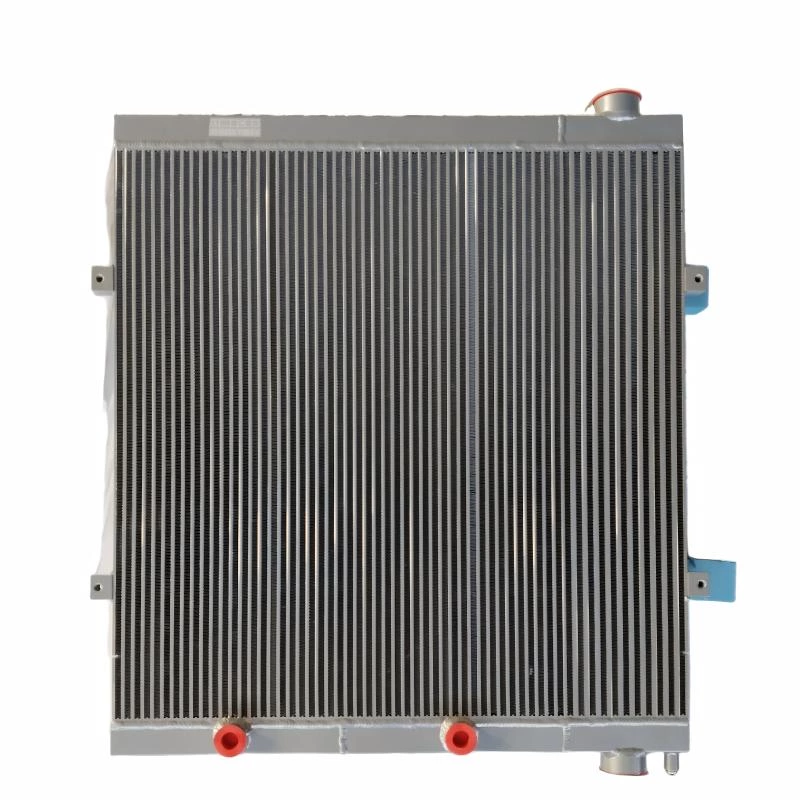
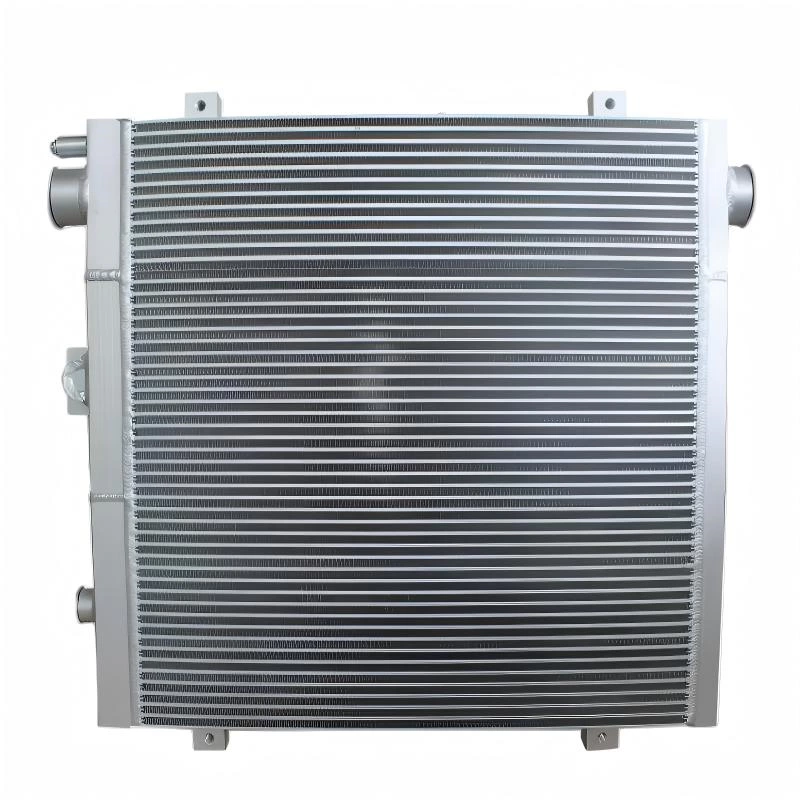
Radiator

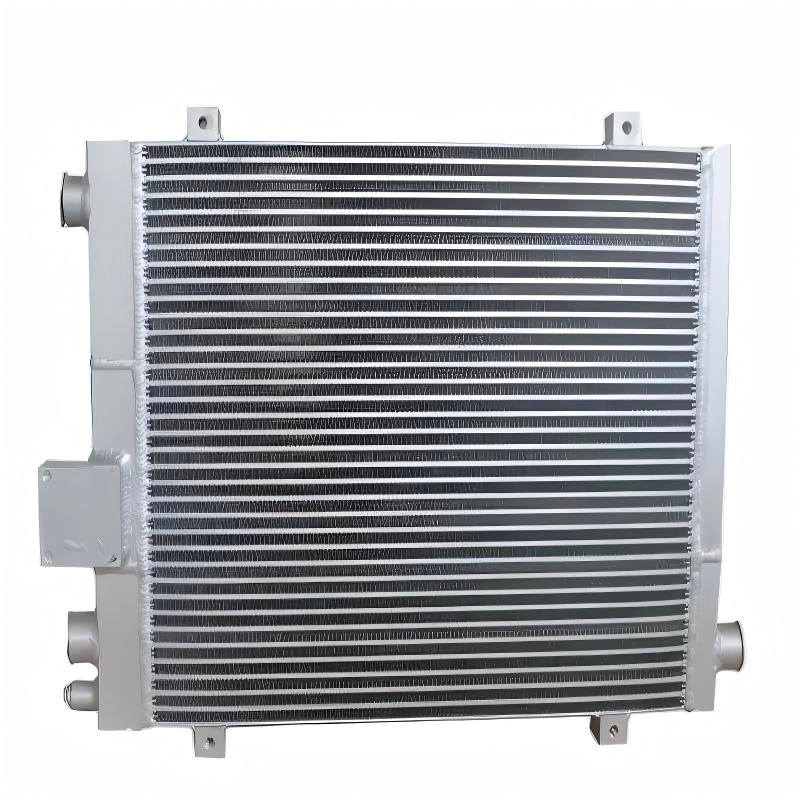
Intercooler
What Is a Radiator?
Every internal combustion engine generates a significant amount of heat during operation. If this heat is not removed efficiently, excessive temperatures can reduce engine performance, accelerate component wear, and eventually lead to costly mechanical failures.
The radiator is the primary heat exchanger responsible for controlling engine coolant temperature. As heated coolant flows through the radiator core, heat is transferred through aluminum tubes and fins to the surrounding air before the cooled coolant circulates back to the engine.
In real-world applications, radiator performance is influenced not only by its design but also by airflow, ambient temperature, dust accumulation, and engine workload. Construction machinery, mining equipment, and heavy-duty trucks often operate in harsh environments where reliable cooling is critical for continuous operation.
For this reason, radiators are widely used in passenger vehicles, commercial trucks, excavators, loaders, agricultural machinery, diesel generators, and many other engine-powered systems.
What Is an Intercooler?
Turbochargers and superchargers increase engine power by compressing intake air. However, the compression process also raises the air temperature. Hot intake air is less dense, reducing the amount of oxygen available for combustion and limiting engine efficiency.
An intercooler addresses this challenge by cooling the compressed air before it enters the engine. Lower intake air temperatures increase air density, allowing more oxygen into the combustion chamber and helping improve power output, fuel efficiency, and engine reliability.
In commercial vehicles, diesel engines, and construction equipment, an intercooler is commonly referred to as a Charge Air Cooler (CAC). Although the terminology varies, both describe a heat exchanger designed to cool compressed intake air.
Intercoolers are widely used in turbocharged passenger cars, heavy-duty trucks, excavators, mining machinery, agricultural equipment, and other high-performance diesel applications where stable intake temperatures are essential.
How Radiators and Intercoolers Work Together
Although radiators and intercoolers are different heat exchangers, they often operate together within the same cooling package. Each controls a different heat source, but both are essential for maintaining overall thermal balance.
The radiator continuously removes heat from the engine coolant, preventing overheating during prolonged operation. At the same time, the intercooler reduces the temperature of compressed intake air, improving combustion efficiency and helping the engine maintain stable power output.
In heavy-duty applications such as excavators, wheel loaders, mining trucks, and diesel generator sets, both components are designed to withstand continuous operation under high loads, elevated ambient temperatures, vibration, and dusty environments. Effective thermal management under these conditions directly influences equipment reliability, fuel efficiency, and service life.
Because they perform complementary functions, modern cooling systems often integrate the radiator, intercooler, oil cooler, and other heat exchangers into a compact cooling module to maximize cooling performance while minimizing installation space.
Intercooler vs Radiator: Key Differences
Although radiators and intercoolers look similar, their working media, installation positions, and functions are different. A radiator belongs to the engine coolant circuit, while an intercooler belongs to the intake air system.
| Feature | Radiator | Intercooler |
|---|---|---|
| Cooling Medium | Engine coolant | Compressed intake air |
| Main Function | Prevents engine overheating | Lowers intake air temperature |
| System Position | Engine cooling system | Turbocharging system |
| Primary Benefit | Protects engine reliability | Improves air density and combustion efficiency |
| Common Applications | Engines and cooling systems | Turbocharged and diesel engines |
A radiator cannot replace an intercooler because it is designed to cool liquid coolant, not compressed air. Similarly, an intercooler cannot replace a radiator because it does not manage engine coolant temperature.

Why Modern Equipment Often Uses Both
Many modern vehicles and industrial machines use both a radiator and an intercooler. This is especially common in diesel engines, heavy-duty trucks, construction machinery, mining equipment, and agricultural machines.
In these systems, the radiator controls engine coolant temperature, while the intercooler reduces compressed intake air temperature. Both components work together to improve engine reliability, cooling efficiency, and overall operating performance.
Integrated Cooling Package
In heavy-duty equipment, multiple heat exchangers are often assembled into one cooling package. A cooling package may include a radiator, intercooler, oil cooler, hydraulic oil cooler, or transmission cooler depending on the system design.
Typical Cooling Systems in Heavy Equipment
Modern construction equipment often uses multiple heat exchangers within one integrated cooling package. Each component performs a different function to maintain stable operating temperatures under continuous heavy-duty conditions.
| Cooling Component | Primary Function |
|---|---|
| Radiator | Cools engine coolant |
| Intercooler | Cools compressed intake air |
| Hydraulic Oil Cooler | Controls hydraulic oil temperature |
| Engine Oil Cooler | Maintains lubricant temperature |
| Transmission Oil Cooler | Reduces transmission heat |
Excavators, wheel loaders, mining trucks, and diesel generators commonly combine several of these heat exchangers into one compact cooling module to improve thermal management and equipment reliability.
Other Heat Exchangers You Should Know
Radiators and intercoolers are only two types of heat exchangers. Industrial equipment often requires additional cooling components for oil, compressed air, or integrated cooling circuits.
Oil Cooler
An oil cooler removes heat from engine oil, hydraulic oil, or transmission oil. It helps maintain oil viscosity, reduce wear, and improve equipment reliability under heavy-load operation.
An aftercooler cools compressed air after it leaves an air compressor. Unlike an intercooler used in turbocharged engines, an air compressor aftercooler helps reduce discharge temperature and supports moisture separation in compressed air systems.
Integrated Water-Oil-Air Cooler
Integrated cooling modules combine water, oil, and air cooling into one compact heat exchanger assembly. They are commonly used in air compressors, diesel-driven equipment, and industrial systems with limited installation space.
How to Choose the Right Heat Exchanger
The correct heat exchanger should be selected according to the cooling medium and system function, not only by appearance. Different systems require different cooling solutions.
| Application | Recommended Heat Exchanger |
|---|---|
| Engine coolant cooling | Radiator |
| Turbocharged intake air cooling | Intercooler / Charge Air Cooler |
| Hydraulic or engine oil cooling | Oil Cooler |
| Compressed air cooling after compression | Aftercooler |
| Combined industrial cooling | Water-Oil-Air Cooler |
For OEM and industrial applications, working conditions such as pressure, temperature, vibration, installation space, airflow, and cooling capacity should also be considered before selecting a heat exchanger.
Common Mistakes When Selecting a Heat Exchanger
| Common Mistake | Potential Result |
|---|---|
| Selecting by appearance only | Incorrect cooling function |
| Ignoring cooling medium | Reduced cooling efficiency |
| Overlooking operating pressure | Potential leakage risk |
| Ignoring installation space | Poor airflow and difficult installation |
| Choosing incompatible materials | Reduced service life |
Understanding the operating environment and cooling requirements before selecting a heat exchanger helps improve system reliability and reduces long-term maintenance costs.
Why Aluminum Plate-Fin Heat Exchangers Are Widely Used

Aluminum plate-fin heat exchangers are widely used in radiators, intercoolers, oil coolers, and air compressor cooling systems because they provide high heat transfer efficiency within a compact structure.
Efficient Heat Transfer
The plate-fin structure increases the effective heat exchange area, helping improve cooling performance without significantly increasing size.
Compact and Lightweight Design
Aluminum construction reduces overall weight and supports compact installation, making it suitable for mobile machinery and OEM equipment.
Industrial Durability
Properly designed aluminum heat exchangers offer reliable performance under vibration, pressure changes, dust, and demanding operating environments.
OEM Customization
Custom heat exchanger designs can be developed based on cooling capacity, material requirements, installation dimensions, connection ports, and specific equipment applications.
Manufacturing Quality Matters
Cooling performance depends not only on heat exchanger design but also on manufacturing quality. Aluminum plate-fin heat exchangers require precise vacuum brazing, accurate core assembly, and strict leak testing to achieve reliable long-term performance.
Professional manufacturers typically perform pressure testing, leak testing, dimensional inspection, and final quality verification before shipment to ensure each heat exchanger meets industrial operating requirements.
How to Select the Right Heat Exchanger for Your Equipment
| Application | Recommended Solution |
|---|---|
| Passenger Vehicle | Radiator + Intercooler (Turbo Models) |
| Construction Excavator | Radiator + Oil Cooler + Intercooler |
| Mining Equipment | Integrated Cooling Package |
| Diesel Generator | Radiator + Charge Air Cooler |
| Air Compressor | Aftercooler + Oil Cooler |
Frequently Asked Questions
Is an intercooler the same as a radiator?
No. A radiator cools engine coolant, while an intercooler cools compressed intake air in turbocharged or supercharged engines.
Can a radiator replace an intercooler?
No. A radiator and an intercooler are designed for different media and system functions, so they are not interchangeable.
What does an intercooler cool?
An intercooler cools compressed intake air before it enters the engine, helping increase air density and improve combustion efficiency.
What is the difference between an intercooler and an aftercooler?
An intercooler is usually used in turbocharged engine systems, while an aftercooler is commonly used in air compressor systems to cool compressed air after compression.
Why do some machines use both a radiator and an intercooler?
Machines with turbocharged engines often need both. The radiator cools engine coolant, while the intercooler cools compressed intake air.
What is a charge air cooler?
A charge air cooler is another name for an intercooler, especially in commercial vehicle and diesel engine applications.
Which heat exchanger is used in air compressor systems?
Air compressor systems commonly use aftercoolers, oil coolers, air coolers, and integrated water-oil-air coolers depending on system design.
Conclusion
The main difference between an intercooler and a radiator lies in what they cool. A radiator cools engine coolant to prevent overheating, while an intercooler cools compressed intake air to improve engine performance.
Modern industrial equipment may also require oil coolers, aftercoolers, and integrated cooling modules. Choosing the correct heat exchanger based on cooling medium, system function, and operating conditions helps improve efficiency, reliability, and equipment service life.
For OEM and industrial applications, aluminum plate-fin radiators, intercoolers, oil coolers, and air compressor cooling solutions can be customized to meet different thermal management requirements.