Can Different Vehicle Models Use the Same Radiator?
Different vehicle models can sometimes use the same or a compatible radiator, but compatibility should never be judged by appearance or overall size alone. A radiator must fit the available installation space while also matching the vehicle's mounting points, hose connections, airflow arrangement, and cooling requirements.
Vehicle platform, model year, engine, transmission, and equipment configuration can all affect radiator specifications. Even two vehicles with similar body designs may require different radiators if their cooling systems or connection layouts are different.

For replacement projects, the most reliable approach is to compare the OE number together with vehicle information and physical radiator details before confirming interchangeability. For heavy-duty applications, you can also review our construction machinery radiator solutions.
Radiator compatibility means more than fitting into the available space. The replacement must also match the cooling system, connections, mounting structure, and operating requirements.
What Does Radiator Compatibility Mean?
A compatible radiator should match both the mechanical installation and the cooling requirements of the vehicle. If only one of these conditions is satisfied, the radiator may physically fit but still create installation or performance problems.
| Compatibility Check | What to Confirm |
|---|---|
| Overall Fitment | Height, width, thickness, and available installation space |
| Mounting | Bracket locations, bolt positions, and support points |
| Connections | Inlet and outlet size, position, and direction |
| Cooling Requirement | Engine heat load and expected operating conditions |
| Airflow | Fan position, shroud arrangement, and available airflow |
| Additional Circuits | Transmission, oil, or other integrated cooling connections if required |
Can Different Vehicle Models Use the Same Radiator?
Yes, in some cases. Vehicle manufacturers may use the same engine platform, chassis structure, or cooling package across several models. When the OE number, mounting structure, connections, and cooling requirements are the same, one radiator may be suitable for more than one vehicle model.
However, a similar model name does not guarantee compatibility. Different model years can introduce changes to the engine, transmission, front-end layout, fan system, or hose routing.
The opposite situation is also possible. Two vehicles with different model names may share enough components to use the same radiator specification.
For this reason, compatibility should always be confirmed using technical information rather than model name alone.
Why Radiator Size Alone Is Not Enough

Height, width, and thickness are useful when checking a replacement radiator, but matching these three dimensions does not confirm full compatibility.
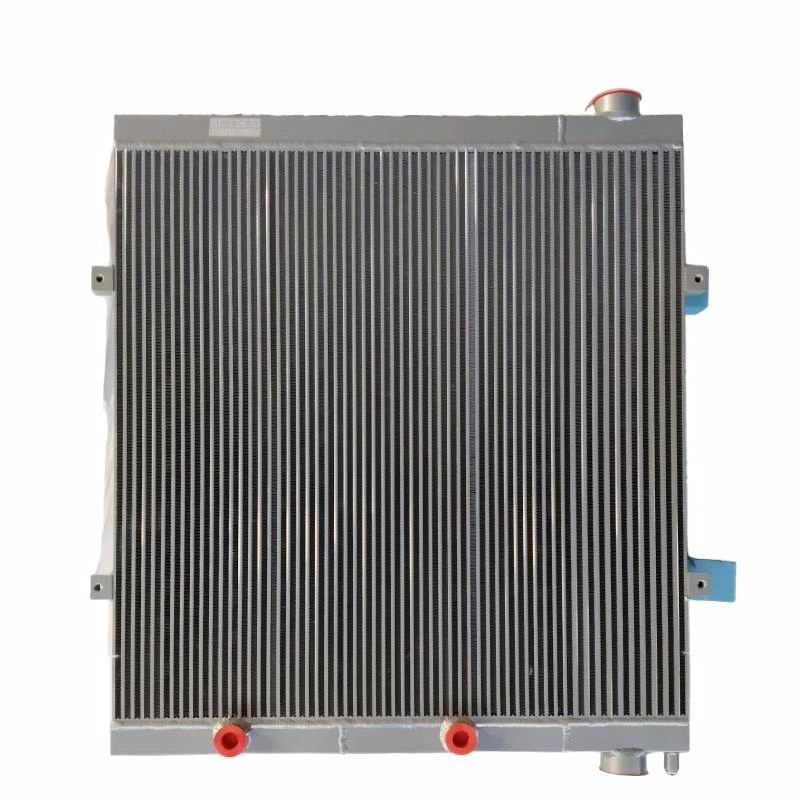
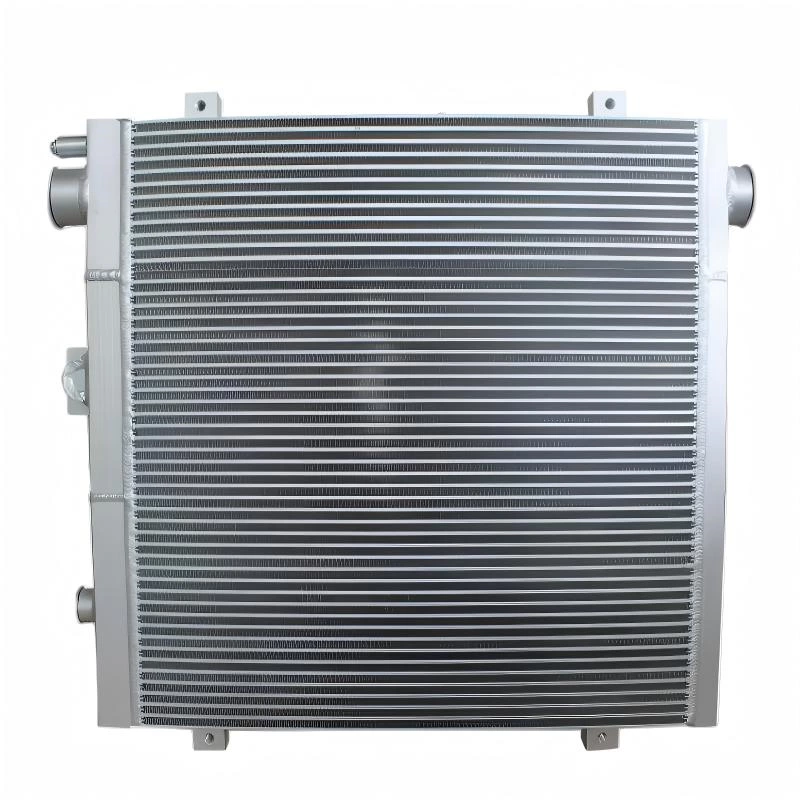
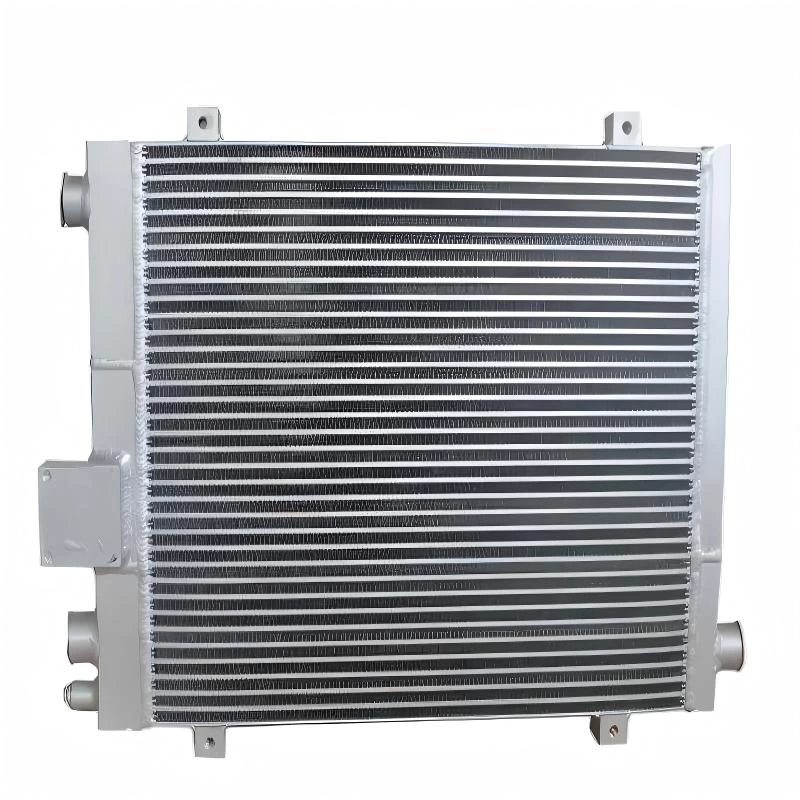
Two radiators can have almost identical external dimensions while using different mounting brackets, inlet positions, outlet diameters, or fan arrangements. A small difference in connection position can make installation difficult even when the radiator fits into the same space.
Cooling performance can also differ. A radiator intended for a lower-output engine may not provide suitable heat rejection when installed in a vehicle with a higher cooling demand.
Same size does not always mean the same fitment or cooling performance.
Overall dimensions are only one part of radiator matching. For custom or non-standard applications, radiator sizing data such as airflow, pressure, installation space, and connection layout should also be considered.
7 Things to Check Before Replacing a Radiator
| Item | Why It Matters |
|---|---|
| OE Number | Provides one of the strongest starting points for radiator matching. |
| Vehicle Model | Identifies the basic application and installation platform. |
| Model Year | Radiator specifications may change between generations or production updates. |
| Engine Type | Different engines can have different cooling loads and connection layouts. |
| Transmission | Some configurations require additional cooling connections or different radiator assemblies. |
| Overall Dimensions | Confirms whether the radiator fits within the available installation envelope. |
| Connections & Mounting | Confirms hose alignment, bracket positions, and actual installation compatibility. |
If the existing radiator has repeated leaks, internal blockage, or structural damage, it may also be necessary to compare radiator repair and replacement before selecting a new unit.
How Important Is the OE Number?
The OE number is one of the most useful references for radiator compatibility because it connects the replacement part to a specific original application. When a valid OE number is available, it can significantly reduce the risk of selecting the wrong radiator.
It should still be checked together with vehicle configuration and physical details. Older vehicles may have been modified, different regional versions can use different components, and replacement parts installed previously may not always match the original specification.
When the OE number is unavailable, vehicle model, year, engine information, radiator dimensions, connection positions, photos, drawings, or an existing sample can provide additional matching references.
OEM vs Aftermarket Radiator Compatibility
An OEM radiator is normally designed around the original vehicle specification, so fitment and connection positions generally correspond directly to the factory cooling system.
An aftermarket radiator can also provide a direct replacement when its specifications are matched correctly. Some aftermarket radiators may even cover several compatible vehicle models that share the same installation and cooling requirements.
The key is not whether the radiator is labeled OEM or aftermarket, but whether the actual dimensions, connections, mounting structure, airflow arrangement, and cooling requirements match the vehicle.
What Happens If the Radiator Is Not Compatible?
Using an incorrectly matched radiator can create problems before and after installation. Common issues include mounting interference, hose misalignment, incorrect connection sizes, coolant leakage, poor fan or shroud alignment, and insufficient cooling performance.
A radiator that physically fits but does not match the cooling demand can also contribute to overheating under heavy load or high ambient temperatures.
For replacement projects, confirming compatibility before installation is usually more efficient than modifying brackets, hoses, or surrounding components after the wrong radiator has been selected.
What Information Should You Send to Check Radiator Compatibility?
Providing complete vehicle and radiator information makes replacement matching faster and more reliable. For B2B purchasing or custom replacement projects, the following information is especially useful:

- Vehicle make and model
- Model year
- Engine model or displacement
- Transmission type
- OE or part number
- Overall radiator dimensions
- Inlet and outlet size and position
- Mounting point dimensions
- Photos of the existing radiator
- Technical drawing or physical sample, if available
If the OE number is unavailable, dimensions, connection positions, mounting details, photos, or an existing radiator sample can still help with compatibility checking.
For applications where the original radiator cannot be sourced directly, the available information can also be used to evaluate a suitable replacement or custom radiator solution.
Common Radiator Compatibility Mistakes
One of the most common mistakes is choosing a radiator only because the overall dimensions are similar. Matching by size alone can overlook differences in connection positions, mounting brackets, and cooling requirements.
Another common mistake is ignoring model year or engine configuration. A vehicle may keep the same model name for several years while using different cooling systems across different versions.
Buyers should also avoid assuming that two radiators are interchangeable simply because they look similar in product photos. Small differences in brackets, ports, or airflow layout may only become obvious during installation.
Frequently Asked Questions
Can two different vehicle models use the same radiator?
Yes. Different models may share the same radiator when they use compatible vehicle platforms, engines, mounting layouts, connections, and cooling requirements. Compatibility should still be confirmed before ordering.
Can radiators with the same dimensions be interchangeable?
Not necessarily. Matching height, width, and thickness does not guarantee that the mounting points, hose connections, fan arrangement, or cooling capacity are the same.
Is an OE number enough to confirm radiator compatibility?
An OE number is one of the strongest matching references, but it is better to confirm it together with the vehicle model, year, engine, and physical radiator details.
Can an aftermarket radiator replace an OEM radiator?
Yes, if the aftermarket radiator matches the required dimensions, mounting points, connections, airflow arrangement, and cooling performance of the original application.
What if I cannot find the radiator OE number?
Vehicle information, overall dimensions, connection positions, mounting details, photos, drawings, or an existing radiator sample can all help identify a suitable replacement.
Conclusion
Different vehicle models can sometimes use the same radiator, but true compatibility depends on more than external dimensions. OE number, model year, engine, transmission, mounting structure, connections, airflow, and cooling requirements should all be checked before a replacement is confirmed.
For replacement or custom radiator projects, providing accurate vehicle information together with dimensions, photos, drawings, or an existing sample can help reduce fitment errors and identify a more suitable radiator solution.