Understanding Heavy Equipment Cooling Systems: Radiator, Oil Cooler and Intercooler Explained
Heavy equipment operates under demanding conditions where temperature control directly affects machine reliability, working efficiency, and service life. Excavators, loaders, mining equipment, and other construction machinery often run under continuous loads, creating heat from multiple systems including the engine, hydraulic system, and turbocharged intake system.
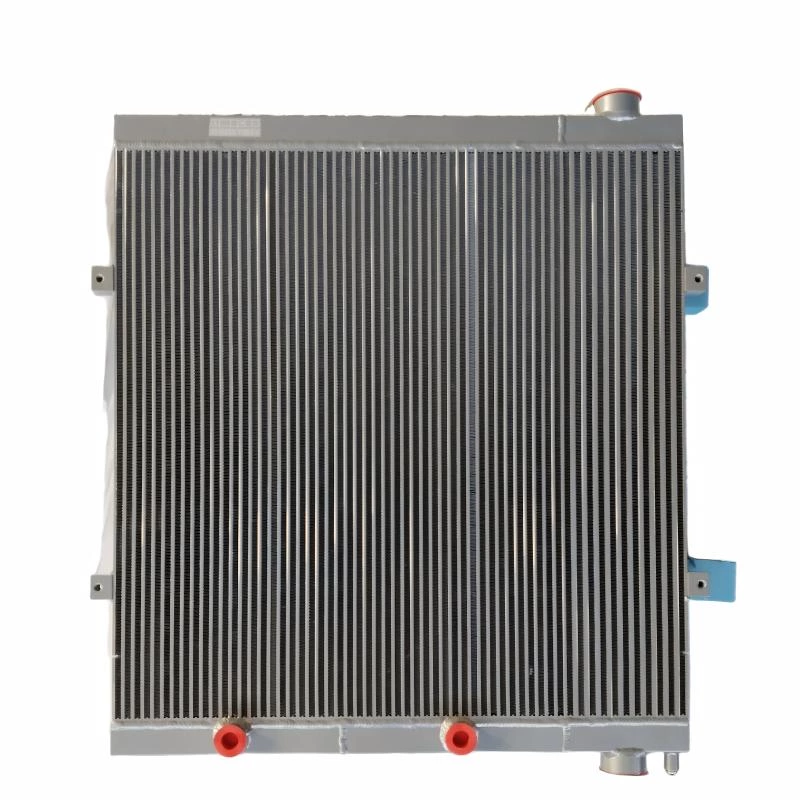
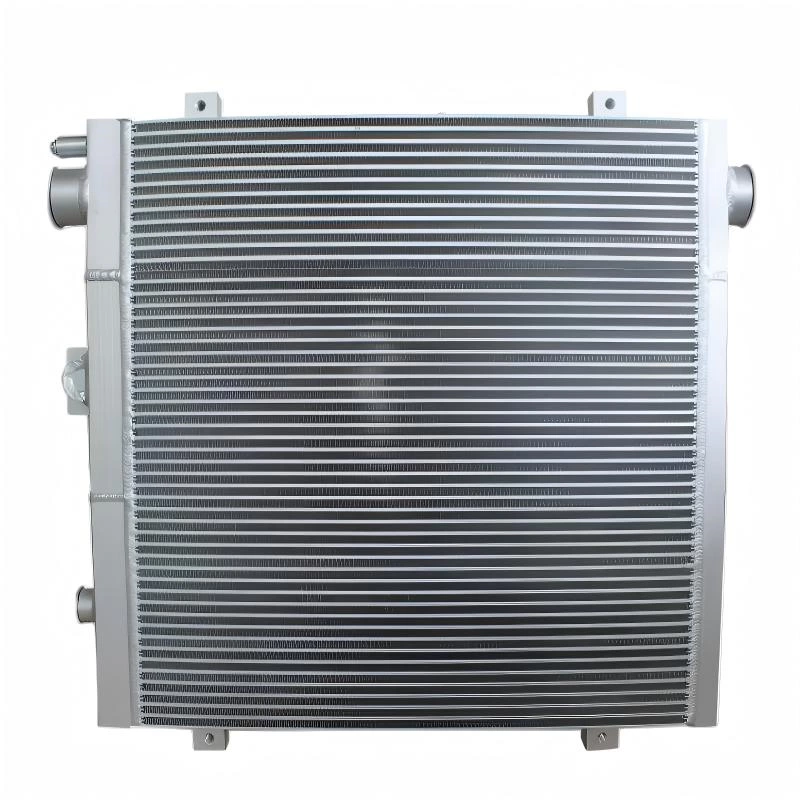
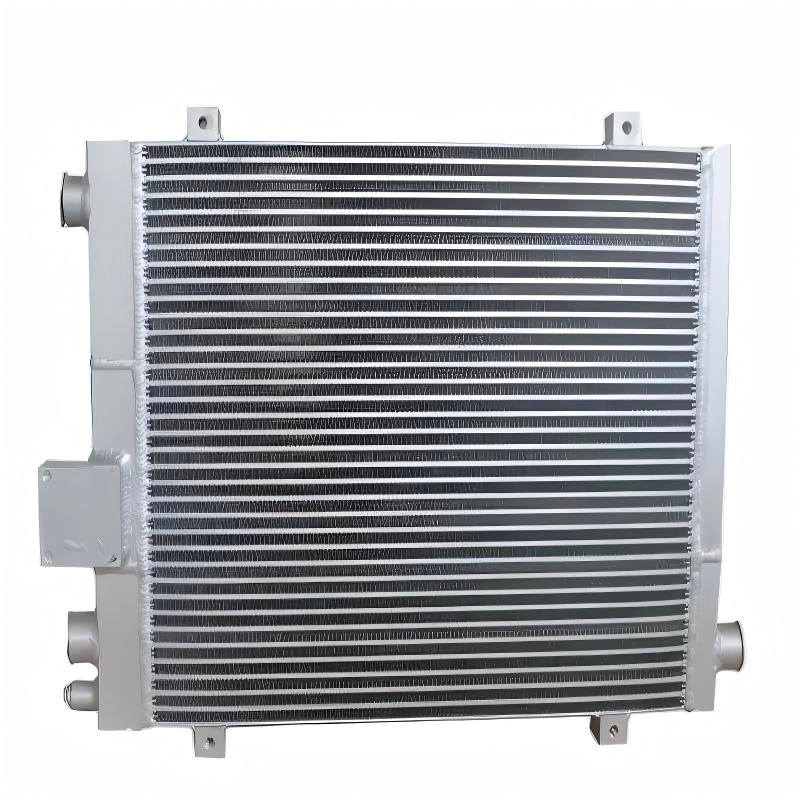
Unlike simple cooling systems, modern heavy equipment relies on multiple cooling components to manage different heat sources. The radiator controls engine coolant temperature, the oil cooler maintains hydraulic and lubrication system stability, while the intercooler helps reduce compressed intake air temperature in turbocharged engines.
These components work together as a complete heavy equipment cooling system to maintain stable operating temperatures under harsh conditions such as high ambient temperatures, dust, vibration, and long working cycles.
Understanding how each cooling component functions and how they work together helps equipment owners, distributors, and engineers select suitable cooling solutions for different construction machinery applications.
How Heavy Equipment Cooling Systems Work
A heavy equipment cooling system is designed to remove excess heat generated during operation and maintain each component within a suitable temperature range. Since different systems produce different types of heat, one cooling component cannot handle all thermal requirements alone.
The engine, hydraulic system, and intake system each require dedicated cooling solutions:
| System | Main Heat Source | Cooling Component | Main Function |
|---|---|---|---|
| Engine System | Combustion heat and coolant temperature increase | Radiator | Transfers engine coolant heat to surrounding air |
| Hydraulic System | Oil friction and pressure losses | Oil Cooler | Maintains stable hydraulic oil temperature |
| Turbocharged Intake System | Heat generated by compressed intake air | Intercooler | Reduces intake air temperature before combustion |
When these cooling systems operate together, they help heavy equipment maintain stable performance during continuous operation. A problem in one cooling area can also affect overall machine efficiency, which is why proper cooling system design is important for construction machinery.
Three Main Cooling Components in Heavy Equipment
Heavy equipment cooling systems usually include multiple heat exchangers because different components generate different types of heat. The radiator, oil cooler, and intercooler each handle a specific cooling task, working together to maintain stable machine operation under demanding conditions.

Radiator: Managing Engine Coolant Temperature
The radiator is the primary cooling component for the engine system. During operation, combustion generates a large amount of heat, which is absorbed by the engine coolant and transferred to the radiator for heat dissipation.
In construction machinery, the radiator needs to maintain reliable performance under continuous workloads, vibration, dust, and high ambient temperatures. A properly designed construction machinery radiator helps maintain stable coolant temperature and reduces the risk of engine overheating during long working cycles.
For excavators, loaders, and mining equipment, radiator performance depends on factors such as cooling capacity, core structure, airflow efficiency, and installation compatibility.
Oil Cooler: Maintaining Hydraulic System Stability
Hydraulic systems are essential for heavy equipment operation, controlling functions such as lifting, digging, and movement. During continuous operation, hydraulic oil generates heat due to pressure changes, friction, and energy losses within the system.
An oil cooler helps remove excess heat from hydraulic oil and maintain suitable operating temperatures. Stable oil temperature is important because overheating can affect oil viscosity, reduce hydraulic efficiency, and accelerate component wear.
For machines operating under high loads, such as excavators and mining equipment, selecting the right hydraulic cooling solution helps improve system reliability and extend component service life.
Intercooler: Controlling Intake Air Temperature
Turbocharged engines increase power output by compressing more air into the combustion chamber. However, compressed air temperature rises during this process, which can affect combustion efficiency and engine performance.
The intercooler reduces the temperature of compressed intake air before it enters the engine. By improving intake air temperature control, the intercooler helps maintain more stable engine operation, especially in turbocharged diesel engines and performance applications.
Compared with passenger vehicle applications, heavy equipment intercooling systems are designed to withstand continuous operation, higher loads, and demanding environmental conditions.
How These Cooling Components Work Together
The radiator, oil cooler, and intercooler do not work independently. Each component manages a different heat source, and together they form a complete thermal management system for heavy equipment.
| Component | Cooling Target | Impact on Equipment Performance |
|---|---|---|
| Radiator | Engine coolant | Prevents engine overheating and maintains operating temperature |
| Oil Cooler | Hydraulic and lubrication oil | Supports stable hydraulic performance and reduces thermal stress |
| Intercooler | Compressed intake air | Improves intake temperature control and combustion efficiency |
Why Cooling System Balance Matters in Heavy Equipment
A reliable heavy equipment cooling system depends on the balance between different cooling components. Improving only one part of the system may not solve thermal problems if other heat sources are not properly managed.
For construction machinery operating under continuous workloads, heat is generated from multiple systems at the same time. The engine produces combustion heat, hydraulic components create heat through pressure and friction, and turbocharged engines increase intake air temperature through compression.
A balanced cooling system ensures that each heat source is controlled effectively, helping equipment maintain stable performance during long operating cycles.
Thermal Challenges in Heavy Equipment Applications
Heavy equipment often operates in environments that create additional cooling challenges. Unlike passenger vehicles, construction machinery may work for extended periods under high loads with limited downtime for temperature recovery.
| Operating Condition | Cooling Challenge | Required Solution |
|---|---|---|
| Continuous Heavy Load | Constant heat generation from engine and hydraulic systems | Sufficient cooling capacity and efficient heat dissipation |
| High Temperature Environment | Reduced temperature difference between equipment and surrounding air | Optimized radiator and heat exchanger design |
| Dust and Contamination | Reduced airflow through cooling cores | Durable structure and suitable airflow design |
| Vibration and Mechanical Stress | Potential damage to cooling components | Strong construction and reliable manufacturing quality |
Cooling Performance Depends on the Complete System
A radiator with high cooling capacity cannot achieve optimal performance if airflow is restricted or other cooling components cannot manage their own heat loads. Similarly, an efficient oil cooler or intercooler needs to work together with the overall system design.
For example, an excavator working in a hot climate may require not only an effective engine radiator but also proper hydraulic oil cooling to maintain stable machine operation. The interaction between different cooling components determines the overall thermal performance of the equipment.
Applications Requiring Advanced Cooling Solutions
Different industries have different cooling requirements depending on operating conditions and equipment usage.
Cooling Solutions for Different Heavy Equipment Applications
Different types of heavy equipment operate under different workloads and environmental conditions, which means their cooling requirements are not the same. A suitable cooling system needs to consider equipment structure, heat generation, operating hours, and working environment.
From construction machinery to mining equipment, reliable thermal management helps maintain stable operation and reduce unexpected downtime caused by excessive heat.
| Equipment Application | Main Cooling Requirements | Common Cooling Components |
|---|---|---|
| Excavators | High cooling capacity for engine and hydraulic systems during continuous digging and loading operations | Engine radiator, hydraulic oil cooler, intercooler |
| Loaders | Stable cooling performance under frequent movement, heavy loads, and changing workloads | Radiator and oil cooling systems |
| Mining Equipment | Long operating cycles, high ambient temperatures, and demanding working conditions | Heavy-duty radiator systems and customized heat exchangers |
| Agricultural and Industrial Machinery | Reliable operation under seasonal temperature changes and continuous workloads | Aluminum radiators and application-specific cooling solutions |
Cooling Requirements in Different Working Environments
The same equipment model may require different cooling considerations depending on where it operates. Machines used in hot climates, dusty construction sites, or high-load industrial environments often require improved cooling performance compared with standard operating conditions.
For example, equipment working in desert regions may face higher ambient temperatures and reduced cooling efficiency, while mining equipment may require stronger resistance to vibration and contamination.
Selecting the correct cooling components based on actual working conditions helps ensure reliable performance throughout the equipment lifecycle.


Integrated Cooling Solutions for Heavy Equipment
Modern heavy equipment cooling systems are often designed as integrated solutions rather than individual components. The radiator, oil cooler, and intercooler need to work together to manage different heat sources effectively.
By matching cooling components with equipment requirements, manufacturers and distributors can provide solutions that improve reliability, reduce maintenance costs, and support long-term operation in demanding environments.


OEM Cooling System Solutions for Heavy Equipment
Heavy equipment cooling requirements vary between different machine models, engine configurations, and operating environments. For replacement projects and specialized applications, cooling components need to provide accurate fitment, reliable performance, and long-term durability.
OEM cooling solutions are developed based on specific equipment requirements, including radiator dimensions, core structure, connection design, cooling capacity, and installation conditions. This allows replacement components to maintain compatibility with existing machinery while meeting practical operating demands.
| Cooling Solution | Support Capability |
|---|---|
| Radiator Replacement | OE number matching and replacement solutions for excavators, loaders, and other construction equipment |
| Custom Cooling Development | Customized radiator dimensions, core structures, and connection layouts based on application requirements |
| Cooling Core Solutions | Flexible aluminum radiator core solutions for repair, rebuilding, and special applications |
| Quality Verification | Material inspection, brazing control, pressure testing, and leak testing to ensure reliable performance |
Reliable Thermal Management for Construction Machinery
A complete heavy equipment cooling system requires more than individual cooling components. Radiators, oil coolers, and intercoolers must work together to control different heat sources and maintain stable machine performance.
By combining accurate application matching, optimized aluminum structures, and strict manufacturing processes, reliable cooling solutions can be developed for excavators, loaders, mining equipment, and other heavy-duty machinery.
For different equipment platforms, construction machinery radiator solutions can be matched according to machine models, operating conditions, and cooling requirements. This helps customers reduce replacement risks and maintain consistent equipment performance in demanding environments.