How to Choose the Right Aluminum Radiator for Heavy Equipment
Heavy equipment operates under demanding conditions where cooling performance directly affects engine reliability and operating efficiency. Excavators, loaders, mining machines, and other construction equipment often work continuously under high loads, vibration, dust, and changing temperatures. In these environments, selecting the right radiator is essential to prevent overheating, reduce downtime, and maintain stable machine performance.

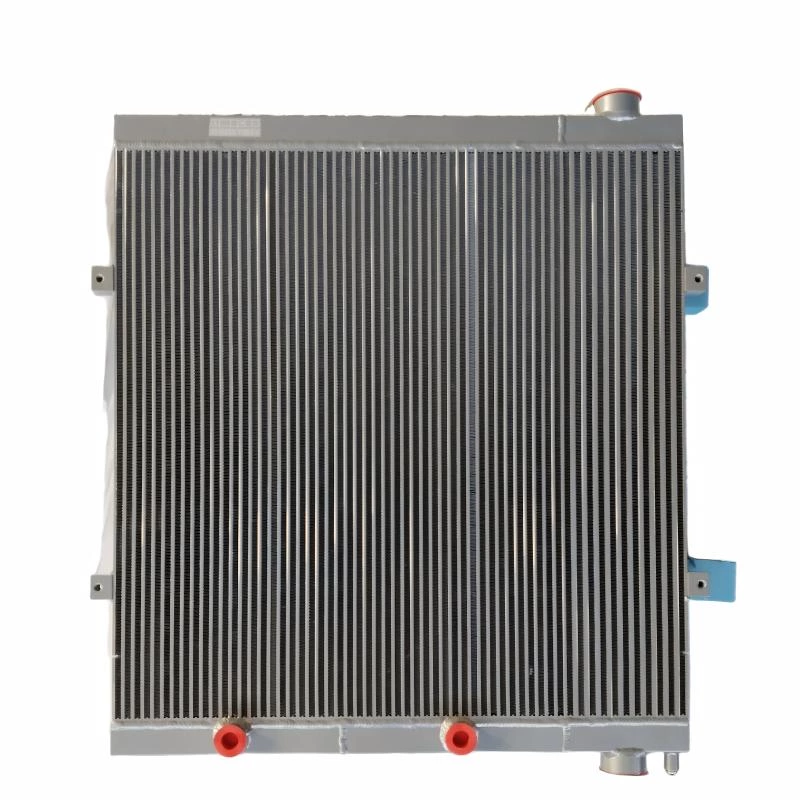
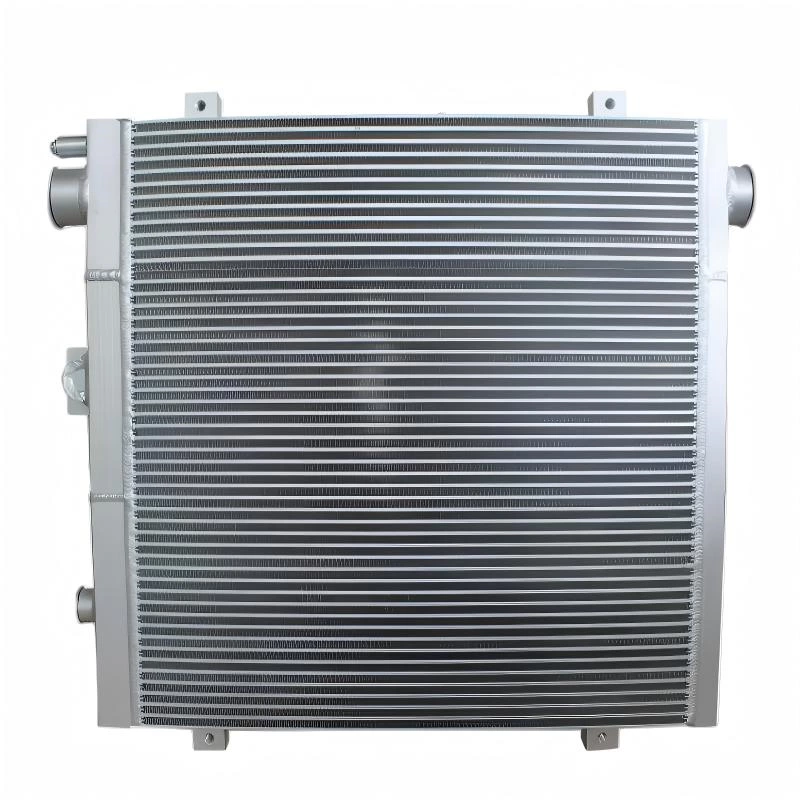
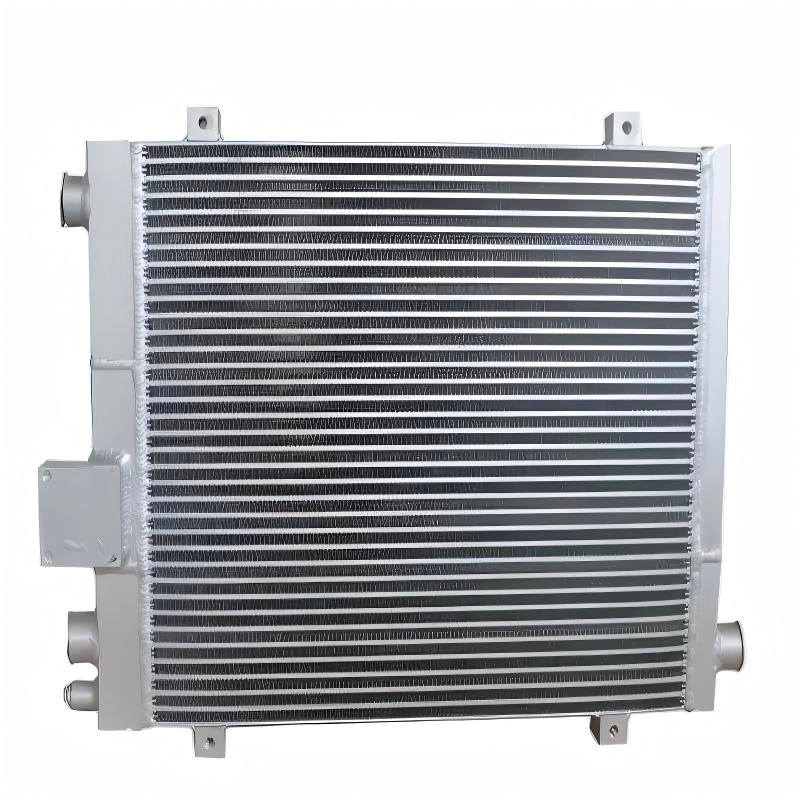
An aluminum radiator for heavy equipment is designed to provide efficient heat dissipation while maintaining a lightweight structure and strong durability. Compared with traditional radiator materials, aluminum designs offer advantages in heat transfer efficiency, corrosion resistance, and adaptability for modern cooling systems.
However, choosing a suitable radiator is not only about selecting a larger cooling core. The correct solution needs to match the equipment model, engine requirements, installation dimensions, operating environment, and expected workload. A radiator that does not properly match the application may lead to insufficient cooling performance, installation difficulties, or reduced service life.
For replacement and aftermarket applications, factors such as OE number compatibility, core structure, material quality, and manufacturing reliability play an important role. Understanding these selection points helps equipment owners and distributors choose the right heavy equipment radiator for long-term operation.
Why Heavy Equipment Requires the Right Radiator Selection
Heavy equipment cooling systems are designed to handle much higher operating demands compared with standard vehicles. Excavators and construction machinery often run for extended periods while performing heavy-duty tasks, generating continuous heat from the engine, hydraulic system, and other components.
During normal operation, the radiator transfers heat from engine coolant to the surrounding air. When the cooling capacity is insufficient, coolant temperature can increase, affecting engine performance and potentially causing overheating issues.
Several working conditions make radiator selection especially important for heavy equipment:
- Continuous high-load operation — Construction and mining equipment often operates for many hours without long cooling intervals.
- Harsh working environments — Dust, mud, debris, and high temperatures can reduce heat dissipation efficiency.
- Mechanical vibration and impact — Radiators need strong structural reliability to withstand demanding operating conditions.
- Different equipment requirements — A compact excavator and a large mining machine may require completely different cooling specifications.
For this reason, a suitable construction machinery radiator should not only provide sufficient cooling capacity but also maintain reliable performance under real working conditions. Proper matching between radiator design and equipment application is critical for achieving stable temperature control and reducing unexpected maintenance costs.
Key Factors When Choosing an Aluminum Radiator for Heavy Equipment
Selecting the right aluminum radiator for heavy equipment requires more than checking the external size. A suitable radiator needs to match the equipment model, cooling requirements, installation conditions, and working environment to ensure reliable performance during long-term operation.

The following factors are important when selecting a replacement or upgraded radiator for excavators, loaders, and other construction machinery.
| Selection Factor | What to Check | Why It Matters |
|---|---|---|
| Equipment Model and OE Number | Brand, machine model, engine type, and original equipment number | Ensures accurate fitment and reduces installation problems |
| Cooling Capacity | Engine output, operating hours, workload, and ambient temperature | Provides sufficient heat dissipation under actual working conditions |
| Core Dimensions and Structure | Core size, thickness, tube design, and fin density | Improves heat transfer efficiency while maintaining proper installation space |
| Material Quality | Aluminum grade, brazing quality, and corrosion resistance | Improves durability in vibration, dust, and harsh environments |
| Operating Environment | Temperature, dust level, vibration, and continuous load conditions | Helps select a radiator design suitable for long-term operation |
Matching the Radiator with Equipment Model and OE Number
For excavator radiator replacement applications, accurate model matching is one of the most important steps. Different equipment brands and models may use different radiator dimensions, mounting positions, connection layouts, and cooling specifications.
Checking the OE number, equipment model, and installation details helps avoid common problems such as incorrect dimensions, unsuitable connections, or reduced cooling performance after replacement.
For construction machinery applications, radiator solutions are commonly required for major brands including CAT, KOMATSU, HITACHI, VOLVO, HYUNDAI, DOOSAN, KOBELCO, JCB, CASE, and other heavy equipment platforms.
Cooling Capacity and Aluminum Radiator Design Considerations
Cooling capacity is one of the most important factors when selecting an aluminum radiator for heavy equipment. A radiator must be able to remove enough heat from the engine cooling system while maintaining stable performance under continuous working conditions.

The cooling performance of an aluminum radiator is influenced by several design factors, including core dimensions, tube structure, fin density, airflow efficiency, and material quality. A well-designed radiator balances heat dissipation performance with installation requirements and operating conditions.
| Design Factor | Impact on Cooling Performance |
|---|---|
| Core Size and Thickness | A larger heat exchange area can improve cooling capacity, but the design must also match available installation space and airflow conditions. |
| Tube Structure | The tube design affects coolant flow efficiency and heat transfer performance during continuous operation. |
| Fin Density | Optimized fin arrangements increase heat dissipation area while maintaining suitable airflow through the radiator core. |
| Aluminum Material | Provides lightweight construction, efficient thermal conductivity, and corrosion resistance for demanding environments. |
Why Aluminum Is Widely Used in Heavy Equipment Radiators
Aluminum has become a preferred material for modern radiator designs because it offers a practical balance between thermal performance, weight reduction, and durability. Compared with traditional materials, aluminum structures allow manufacturers to develop lightweight cooling solutions while maintaining effective heat transfer capability.
For excavators, loaders, and other construction equipment, reducing radiator weight can simplify installation while maintaining reliable operation under vibration, dust, and high-temperature conditions.
For demanding applications, aluminum excavator radiators are commonly designed with optimized core structures and durable materials to support stable cooling performance in heavy-duty working environments.
Balancing Cooling Performance and Installation Requirements
A larger radiator does not always provide better results. Oversized designs may create installation difficulties, airflow restrictions, or compatibility issues with existing equipment layouts.
The ideal aluminum excavator radiator should balance cooling capacity, airflow performance, structural strength, and installation requirements. This ensures reliable temperature control without unnecessary changes to the original cooling system.
For replacement applications, professional radiator selection should consider not only external dimensions but also internal structure, operating conditions, and expected workload. In some repair and remanufacturing projects, customers may also choose radiator core solutions when replacing or rebuilding existing cooling systems.
OEM Replacement and Custom Aluminum Radiator Solutions
For heavy equipment applications, radiator requirements can vary depending on equipment models, engine specifications, installation conditions, and operating environments. A suitable replacement solution needs to provide accurate fitment, reliable cooling performance, and stable operation under real working conditions.

Professional excavator radiator replacement solutions should consider factors such as OE number matching, mounting dimensions, connection layout, cooling capacity, and radiator structure. These details help ensure the replacement radiator can be installed correctly and perform reliably without unnecessary modifications.
| Service Capability | Support Provided |
|---|---|
| OE Replacement | Model matching, OE number verification, and replacement solutions for existing equipment platforms |
| Custom Development | Customized core dimensions, tube structures, fin designs, and connection layouts based on application requirements |
| Sample Production | Prototype development and sample testing before volume production |
| Quality Verification | Material inspection, brazing control, pressure testing, and leak testing before delivery |
Reliable Cooling Solutions for Different Equipment Requirements
Different machines require different radiator designs. A compact excavator used in construction may require a different cooling solution compared with large mining equipment operating under continuous heavy loads.
By considering equipment conditions, cooling requirements, and installation limitations, customized aluminum radiator solutions can provide better compatibility and long-term reliability.
As an aluminum radiator manufacturer, we support replacement and custom projects for excavators, loaders, and other heavy equipment applications. From initial design confirmation to sample development and production, each solution is developed according to specific application requirements.
For customers requiring flexible repair options, aluminum radiator core solutions are also available for rebuilding, replacement, and customized cooling system projects.
Explore our construction machinery radiator solutions for more information about excavator and heavy equipment cooling applications.