Heat Exchanger vs Radiator: Understanding the Differences and Applications
In automotive and industrial cooling systems, the terms heat exchanger and radiator are often used together, but they do not always refer to the same type of component. Understanding the difference between these two cooling devices helps engineers and buyers select the right solution for their specific applications.
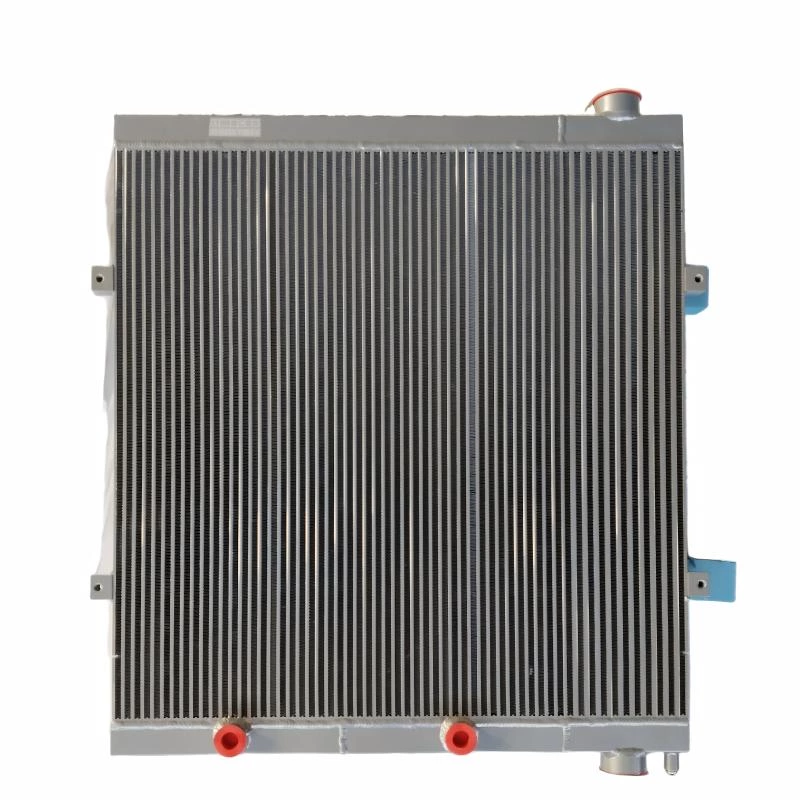
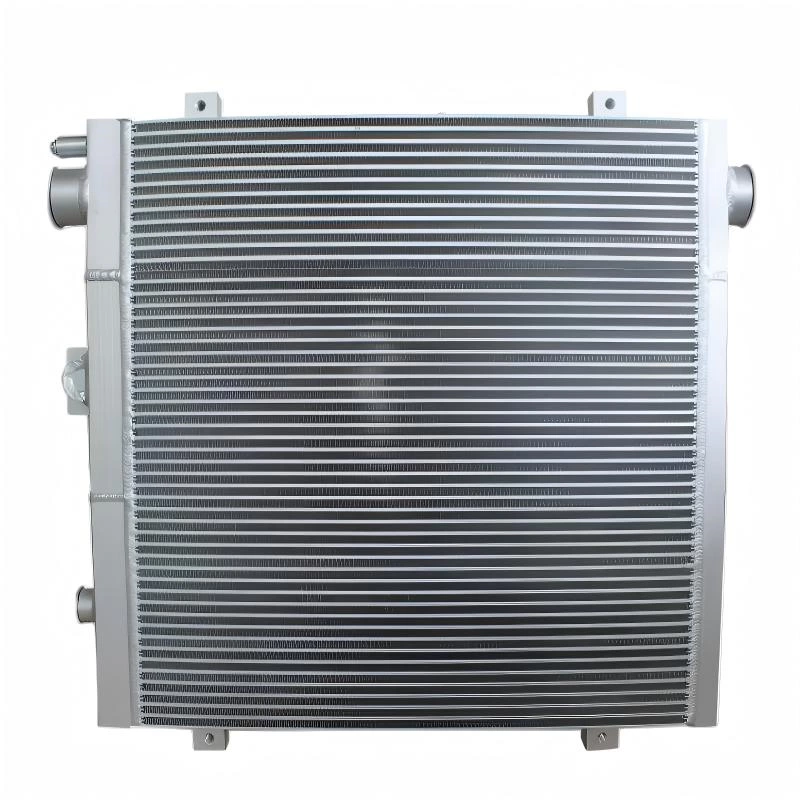
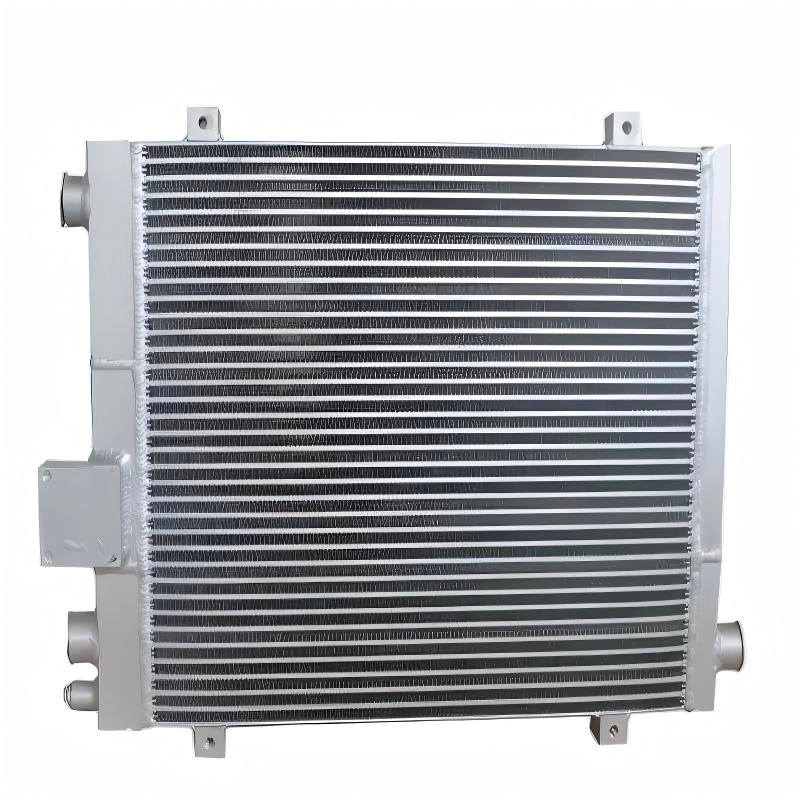
A radiator is a type of heat exchanger, but a heat exchanger has a much broader meaning. Products such as excavator radiators, intercoolers, oil coolers, and air compressor coolers all use heat transfer principles to control operating temperatures in different systems.
What Is a Heat Exchanger?

A heat exchanger is a device designed to transfer heat between two different fluids or between a fluid and air. Its main purpose is to control temperature by moving heat from one medium to another without mixing the two flows.
Depending on the application, heat exchangers can be designed for cooling, heating, or thermal energy recovery. The structure, materials, and flow design vary according to the working environment, heat load, pressure requirements, and installation conditions.
Common heat exchanger applications include industrial equipment, automotive systems, energy systems, hydraulic equipment, and compressed air systems.
Common Types of Heat Exchangers
| Type | Working Principle | Typical Applications |
|---|---|---|
| Radiator | Transfers heat from engine coolant to surrounding air | Vehicles, excavators, trucks, generators |
| Intercooler | Cools compressed intake air before combustion | Turbocharged cars, diesel engines, performance vehicles |
| Oil Cooler | Removes heat from hydraulic or lubrication oil | Construction machinery, industrial equipment |
| Air Compressor Cooler | Reduces compressed air or oil temperature | Industrial compressors and pneumatic systems |
What Is a Radiator?
A radiator is a specific type of heat exchanger mainly used for engine cooling systems. Its primary function is to remove heat from engine coolant and release it into the surrounding air.
During engine operation, combustion generates a large amount of heat. The coolant absorbs this heat from the engine block and flows through the radiator core, where aluminum tubes and fins transfer the heat to the airflow passing through the radiator.
After cooling, the coolant returns to the engine and continues the cooling cycle. This process helps maintain stable engine temperature and prevents overheating during continuous operation.

Where Are Radiators Used?
Radiators are widely used in systems where reliable heat dissipation is required, including:
- Passenger vehicles
- Heavy-duty trucks
- Excavators and construction machinery
- Agricultural equipment
- Diesel generators
For heavy equipment applications, radiator performance is especially important because machines often operate under high loads, vibration, dust, and extreme environmental conditions.
In addition to complete radiator assemblies, many applications also require replacement cooling components such as aluminum radiator cores, which provide flexible solutions for repair, remanufacturing, and custom cooling projects.
Key Differences Between Heat Exchangers and Radiators
Although radiators and heat exchangers are based on the same principle of transferring heat, they are designed for different purposes and operating conditions. The main difference is that a radiator is a specific type of heat exchanger mainly used to remove heat from engine coolant, while a heat exchanger can be designed for many different thermal management applications.
| Feature | Heat Exchanger | Radiator |
|---|---|---|
| Definition | A general device used to transfer heat between different mediums | A specific type of heat exchanger designed for cooling engine coolant |
| Main Function | Cooling, heating, or transferring thermal energy | Removing engine heat and maintaining coolant temperature |
| Working Medium | Liquid-to-liquid, gas-to-liquid, or liquid-to-air | Usually coolant-to-air heat transfer |
| Common Applications | Industrial equipment, compressors, automotive systems, hydraulic systems | Cars, trucks, excavators, generators, and construction machinery |
| Examples | Oil cooler, intercooler, aftercooler, plate-fin heat exchanger | Engine radiator and heavy equipment radiator |
In practical applications, the choice between a heat exchanger and a radiator depends on the cooling requirements, heat source, working medium, installation environment, and system design.
Are Radiators Considered Heat Exchangers?
Yes. A radiator is considered a type of heat exchanger because it transfers heat from one medium to another. In most automotive and industrial applications, the radiator transfers heat from hot coolant to surrounding air through tubes and fins.
However, the term heat exchanger covers a much wider range of products. For example, an intercooler transfers heat from compressed intake air, while an oil cooler removes heat from hydraulic or lubrication oil. These components use similar heat transfer principles but serve different cooling functions.
Simple Explanation
All radiators are heat exchangers, but not all heat exchangers are radiators.
For manufacturers and equipment users, understanding this difference helps select the correct cooling solution. Engine cooling systems may require a radiator, while turbocharged engines, industrial compressors, or hydraulic systems may require other types of heat exchangers.
Different Heat Exchanger Applications in Cooling Systems
Modern vehicles and industrial equipment often use multiple heat exchangers because different systems generate different types of heat. Each component is designed according to its specific cooling requirements.
Engine Cooling Systems
Radiators are mainly used in engine cooling systems to control coolant temperature. They are widely applied in vehicles, construction machinery, heavy-duty trucks, and diesel-powered equipment operating under continuous loads.
Turbocharged Engine Systems
Turbocharged engines require intercoolers to reduce compressed intake air temperature before combustion. A properly designed aluminum intercooler helps improve intake air stability and supports reliable performance under increased boost conditions.
Compressed Air Systems
Industrial compressors generate heat during air compression. Cooling components such as air compressor coolers and aftercoolers help control operating temperatures and improve system efficiency.
How to Choose the Right Cooling Solution for Your Application
Selecting the right cooling component depends on more than choosing between a heat exchanger and a radiator. The ideal solution should match the working environment, heat load, installation requirements, and long-term operating conditions of the equipment.
Different applications generate different types of heat. Engine cooling, compressed air systems, turbocharged engines, and hydraulic equipment all require different thermal management solutions.
Consider the Heat Source and Cooling Medium
The first step is identifying where the heat is generated and how it needs to be removed. Engine systems usually require radiators to transfer coolant heat to air, while other applications may require different heat exchanger designs.
| Application | Recommended Cooling Solution | Main Purpose |
|---|---|---|
| Engine Cooling | Radiator | Removes heat from engine coolant |
| Turbocharged Engine | Intercooler | Reduces compressed intake air temperature |
| Industrial Compressor | Air Compressor Cooler | Controls compressed air and oil temperature |
| Cooling System Repair or Manufacturing | Radiator Core | Provides replacement and custom core solutions |
Evaluate Operating Conditions
The working environment has a direct impact on cooling performance. Equipment used in construction, mining, agriculture, and industrial applications often operates under vibration, dust, high temperature, and continuous load conditions.
For these applications, cooling components need reliable heat transfer performance, durable materials, and stable operation over long working cycles.
Consider Custom Design Requirements
Standard cooling components may not always meet specific installation or performance requirements. Custom solutions allow manufacturers to optimize core dimensions, fin structures, material selection, connection layouts, and cooling capacity according to the actual application.
This is especially important for OEM replacement projects, equipment upgrades, and applications with limited installation space.
Aluminum Heat Exchanger Solutions for Automotive and Industrial Applications
Aluminum heat exchangers are used across different industries where efficient cooling, compact structure, and reliable operation are required. The final design depends on the heat source, operating environment, installation requirements, and performance targets.

| Application Area | Typical Cooling Products | Key Performance Requirements |
|---|---|---|
| Automotive Cooling | Radiators, intercoolers, oil coolers | High heat transfer efficiency, lightweight structure, stable performance |
| Construction Machinery | Excavator radiators and aluminum heat exchangers | Vibration resistance, dust protection, continuous heavy-load operation |
| Industrial Cooling | Air compressor coolers and industrial heat exchangers | Long service life, pressure stability, efficient heat dissipation |
| Custom OEM Projects | Customized heat exchanger cores and cooling assemblies | Accurate dimensions, application matching, production flexibility |
Built for OEM Replacement and Custom Development
Different equipment platforms require different cooling solutions. For OEM replacement projects and customized applications, cooling performance is determined by factors such as core dimensions, fin structure, material selection, connection layout, and operating conditions.
As a heat exchanger and radiator manufacturer, we support the complete development process from design adjustment and sample production to performance verification and volume manufacturing.
Quality Control for Long-Term Reliability
Reliable cooling performance depends not only on product design but also on manufacturing quality. Material inspection, controlled brazing, pressure testing, and leak testing help ensure stable operation in automotive and industrial environments.
Frequently Asked Questions
Is a radiator a type of heat exchanger?
Yes. A radiator is a type of heat exchanger designed to transfer heat from engine coolant to surrounding air. While all radiators are heat exchangers, not all heat exchangers are radiators because heat exchangers can be used for many different cooling and heating applications.
What is the main difference between a heat exchanger and a radiator?
The main difference is the application and working purpose. A heat exchanger is a general term for devices that transfer heat between different mediums, while a radiator is mainly used in engine cooling systems to remove heat from coolant and maintain stable operating temperatures.
Are intercoolers and air compressor coolers heat exchangers?
Yes. Intercoolers and air compressor coolers are both types of heat exchangers. An intercooler reduces the temperature of compressed intake air in turbocharged engines, while an air compressor cooler helps control compressed air or oil temperature in industrial compressor systems.
How do I choose the right heat exchanger or radiator for my application?
The right cooling solution depends on factors such as heat load, working medium, operating environment, installation space, pressure requirements, and cooling performance requirements. For OEM replacement and custom projects, proper design matching and manufacturing quality are also important for long-term reliability.