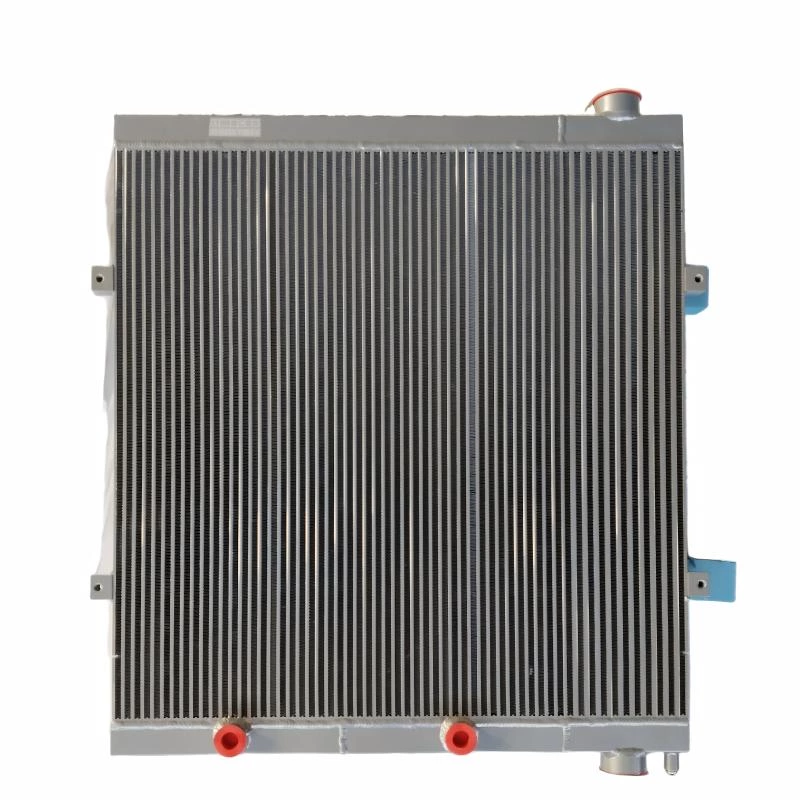
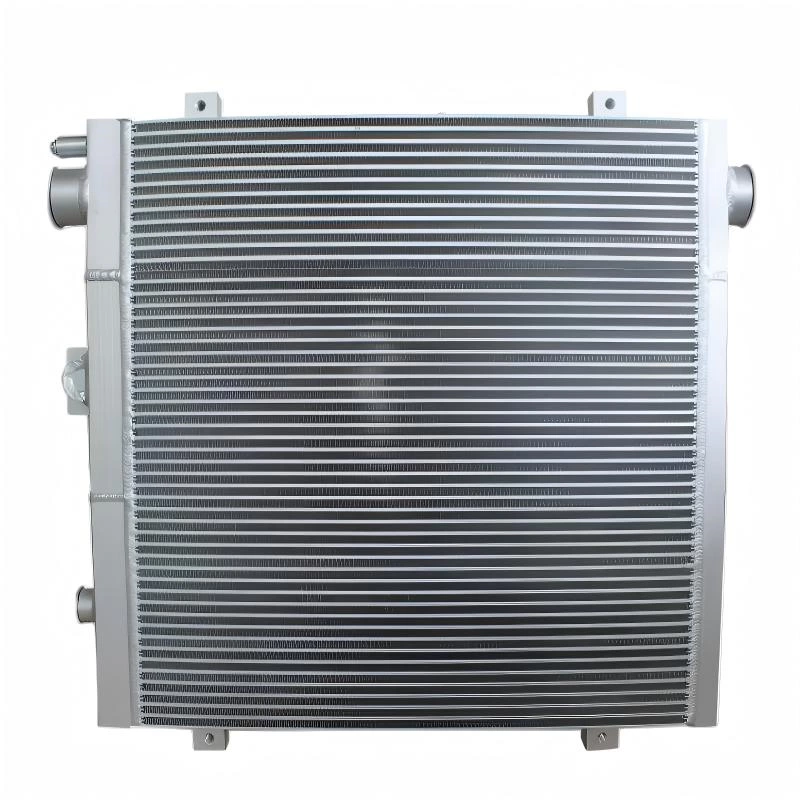
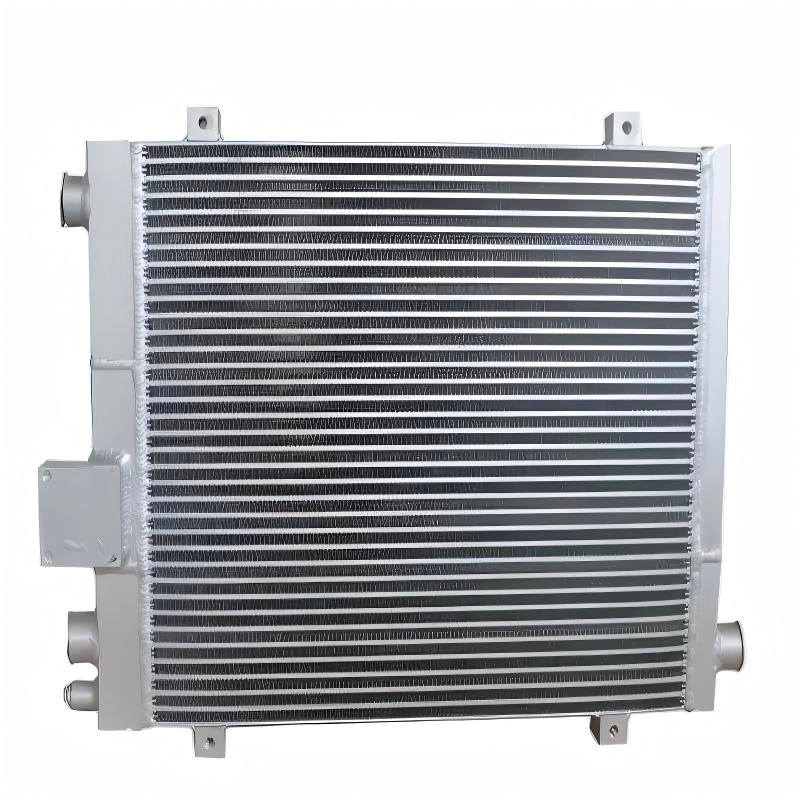
Custom Radiator Core Development for Industrial Cooling Applications
Why Custom Radiator Cores Are Needed for Industrial Cooling Systems
Industrial equipment often operates under cooling conditions that standard radiator cores cannot fully accommodate. Differences in equipment structure, available installation space, heat load, operating temperature, and working environment can all affect the required core design.
This is particularly common with older machinery, discontinued equipment models, special-purpose machines, and modified cooling systems. In these cases, an original replacement core may be difficult to source, while a standard replacement may not match the required dimensions or cooling performance.

A custom radiator core provides greater flexibility by allowing the core dimensions and internal structure to be developed around the actual application. Instead of adapting the equipment to an available core, the cooling component can be matched to the machine.
| Application Requirement | Possible Customization |
|---|---|
| Limited Installation Space | Core height, width, and thickness can be adjusted to available space. |
| Higher Cooling Demand | Tube arrangement, fin structure, and effective heat transfer area can be optimized. |
| Discontinued Equipment | A replacement core can be developed from drawings, dimensions, OE information, or an existing sample. |
| Special Operating Conditions | Core design can be adapted for continuous load, vibration, dust, and high-temperature environments. |
For equipment manufacturers, radiator repair companies, distributors, and industrial cooling system providers, working with an experienced industrial radiator core supplier makes it possible to develop replacement and custom cores according to specific technical and installation requirements.
Applications Requiring Custom Radiator Core Solutions
Custom radiator cores are used across a wide range of industrial cooling systems, but the reasons for customization are not always the same. Some projects require replacement for an unavailable original core, while others need different dimensions or cooling capacity to suit a specific machine.

Construction machinery is a common example. Excavators, loaders, mining machines, and other heavy equipment operate under continuous loads and harsh working conditions. Replacement cores need to match the available installation space while providing sufficient heat dissipation for the equipment's actual workload. For these applications, core dimensions, fin structure, and tube configuration may need to be adapted to the original cooling system.
In industrial machinery and compressor systems, operating hours and thermal loads can vary considerably between applications. Equipment running continuously may require a radiator core designed around specific airflow conditions and heat rejection requirements rather than a standard replacement specification.
Agricultural machinery and special-purpose equipment can present a different challenge. Older machines or low-volume models may have limited replacement part availability. When the original core is discontinued, a new aluminum radiator core can be developed using the existing sample, technical drawing, or confirmed dimensions.
Custom development is especially useful when: the original core is discontinued, standard dimensions do not fit, cooling demand has changed, or the equipment uses a non-standard cooling system.
The application therefore determines how the radiator core should be developed. Instead of using one core specification across different machines, dimensions and internal structures can be matched to the equipment, cooling load, installation space, and working environment.
Custom Radiator Core Development Process
A custom radiator core project usually begins with the existing equipment rather than a standard product specification. The machine model, original core, installation space, working conditions, and required cooling performance all provide information for determining the new core design.
For replacement projects, customers can provide an OE number, technical drawing, core dimensions, or an existing sample. When the original specification is unavailable, the sample and application information can be used as references for further design confirmation.
1. Application and Requirement Analysis
The first step is to confirm where and how the radiator core will be used. An excavator operating continuously at a mining site, for example, may have different thermal and structural requirements from industrial equipment working under relatively stable indoor conditions.
Important project information can include equipment model, core dimensions, operating temperature, workload, available installation space, airflow conditions, and the specifications of the original cooling system.
2. Core Dimensions and Structure Design
Once the basic requirements are confirmed, the radiator core can be developed around the available installation space and cooling demand. Height, width, thickness, tube arrangement, and fin configuration are considered together rather than adjusted independently.
Core Size
Determines the available heat exchange area and must remain compatible with the original installation space.
Tube Configuration
Affects coolant flow, heat transfer, and the operating characteristics of the core.
Fin Structure
Influences heat exchange area and airflow through the core. Fin design needs to balance cooling performance with airflow resistance.
3. Prototype Production and Verification
For a newly developed or modified core, prototype production provides an opportunity to confirm the design before volume manufacturing. Dimensions and structural details can first be checked against the equipment or original sample.
Depending on project requirements, verification may also include pressure testing and leak testing. Any issues identified during this stage can be corrected before the design moves into regular production.
4. Production and Quality Control
After the design has been confirmed, production consistency becomes important. Material inspection, component preparation, assembly, controlled brazing, and final inspection all influence the reliability of an OEM radiator core.
Pressure and leak testing are particularly important for cooling components because small defects in tubes, joints, or brazed areas can develop into coolant leakage during operation.
The development process therefore moves from application requirements to design, prototype verification, and controlled production. For industrial cooling projects, this approach provides greater flexibility than selecting a standard core based only on external dimensions.
Design Options for Custom Aluminum Radiator Cores
Custom development allows an aluminum radiator core to be adapted to the cooling system rather than forcing the equipment to accept a standard core. However, each design parameter affects more than one aspect of performance. Increasing core thickness, changing fin density, or modifying tube arrangement can influence heat transfer, airflow, coolant flow, and installation compatibility at the same time.
For this reason, customization should be based on the complete operating requirement rather than a single dimension.

Core Dimensions Must Match Both Space and Cooling Demand
Height, width, and thickness determine the basic size of the heat exchange area, but available installation space often limits how much these dimensions can be changed. This is particularly important when developing replacement cores for existing industrial equipment.
When additional cooling capacity is required, simply increasing core thickness is not always the best solution. Airflow through the core and the surrounding cooling system layout also need to be considered.
Tube and Fin Configuration Changes Thermal Performance
Inside the core, tube configuration determines how coolant passes through the heat exchanger, while fins increase the surface area available for transferring heat to the surrounding air.
Fin spacing also needs to suit the working environment. A dense fin structure can provide more heat transfer area, but industrial machinery operating around dust and debris may require a different balance between cooling surface and airflow.
| Custom Parameter | Design Consideration |
|---|---|
| Core Height & Width | Installation space, original dimensions, and required heat exchange area |
| Core Thickness | Cooling demand, airflow availability, and equipment packaging |
| Tube Configuration | Coolant flow, heat transfer requirements, and operating conditions |
| Fin Structure | Heat dissipation area, airflow resistance, dust, and working environment |
| Aluminum Construction | Weight, thermal performance, corrosion resistance, and manufacturing requirements |
Designing Around the Actual Working Environment
The final core specification should also reflect where the equipment will operate. Construction machinery exposed to dust, vibration, and continuous heavy loads has different requirements from stationary industrial equipment operating in a controlled environment.
For special applications, an industrial radiator core can therefore be developed around both the mechanical installation and the thermal conditions of the machine. This helps achieve a practical balance between cooling capacity, airflow, structural reliability, and available space.
Choosing the Right Supplier for a Custom Radiator Core Project
A custom radiator core project does not end with matching dimensions. The supplier also needs to understand how core structure, manufacturing accuracy, brazing quality, and testing affect the final performance of the cooling system.
This becomes particularly important when working with discontinued equipment, non-standard dimensions, higher cooling loads, or applications where the original radiator core is no longer available. In these situations, engineering support can help turn an existing sample, drawing, or equipment specification into a practical replacement solution.
What Matters Beyond the Core Specification?
For industrial buyers, several capabilities are worth evaluating before moving from prototype development to regular supply:
- Technical matching: Ability to work from OE numbers, drawings, dimensions, samples, and application requirements.
- Customization capability: Support for different core sizes, thicknesses, tube configurations, and fin structures.
- Production consistency: Stable control of materials, assembly, brazing, and dimensional accuracy between batches.
- Quality verification: Pressure testing and leak testing to identify potential sealing problems before delivery.
- Supply flexibility: Support for prototype development, replacement projects, and ongoing production requirements.
For equipment manufacturers, repair companies, and distributors, these capabilities can be just as important as the initial radiator core design. A technically suitable prototype still needs consistent manufacturing if the same performance is expected across future production batches.
From a Replacement Sample to a Production-Ready Core
Many industrial radiator core projects begin with a practical problem: an old core needs replacement, the original part is difficult to source, or a standard product does not fit the application. Custom development provides a way to reproduce or redesign the cooling core around those requirements.
By combining application analysis, structural design, prototype verification, and controlled manufacturing, a custom core can be developed for construction machinery, industrial equipment, compressors, agricultural machinery, and other specialized cooling systems.
Working with an experienced industrial radiator core supplier can provide the engineering and production support needed to move from initial dimensions or samples to a stable, repeatable aluminum radiator core solution.
Frequently Asked Questions About Custom Radiator Cores
Can a radiator core be customized from an existing sample?
Yes. An existing radiator core can be used as a reference for custom development when original drawings or detailed specifications are unavailable. Core dimensions, thickness, tube arrangement, fin structure, and other construction details can be checked from the sample and confirmed according to the equipment application.
What information is needed to develop a custom radiator core?
The most useful information includes the equipment model, OE number, core dimensions, technical drawings, existing samples, and operating conditions. Cooling requirements and installation limitations are also important when the new core needs to differ from the original design.
Can you produce radiator cores for discontinued or older equipment?
Custom development is particularly useful for discontinued and older equipment where original replacement parts are difficult to obtain. A replacement core can be developed from available drawings, dimensions, OE information, or an existing sample.
Which radiator core dimensions can be customized?
Core height, width, and thickness can be developed according to installation requirements. Depending on the application, tube configuration and fin structure can also be adjusted to balance cooling capacity, airflow, and available installation space.
How is a custom aluminum radiator core tested before production?
Prototype verification can include dimensional inspection, installation confirmation, pressure testing, and leak testing. The required testing process depends on the radiator core design and application conditions. Any identified issues can be corrected before regular production begins.
What industries use custom radiator cores?
Custom radiator cores are used in construction machinery, industrial equipment, compressors, agricultural machinery, special-purpose vehicles, and other cooling systems where standard replacement cores cannot meet dimensional or performance requirements.
Can custom radiator cores be produced for small quantities?
Small-batch requirements can be evaluated according to the radiator core specification, tooling requirements, materials, and production process. For new projects, prototype production is typically used first to confirm the design before moving to repeat or larger-volume orders.