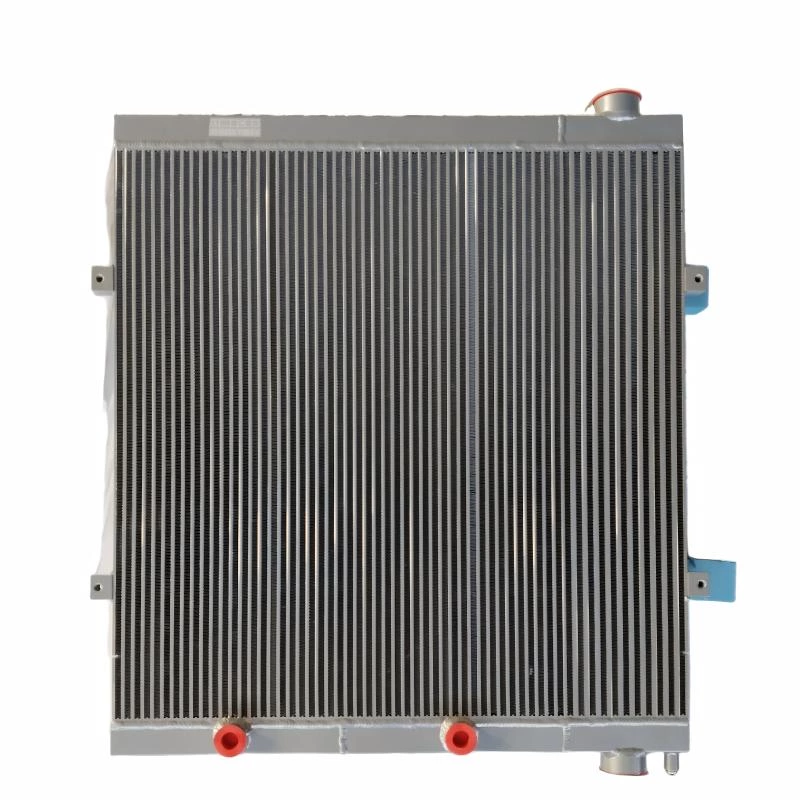
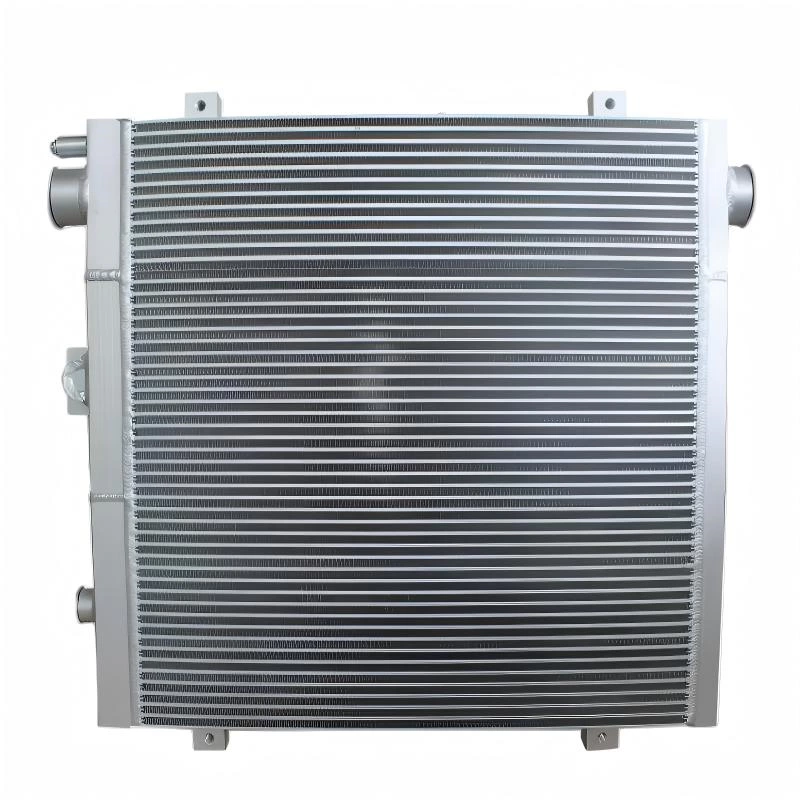
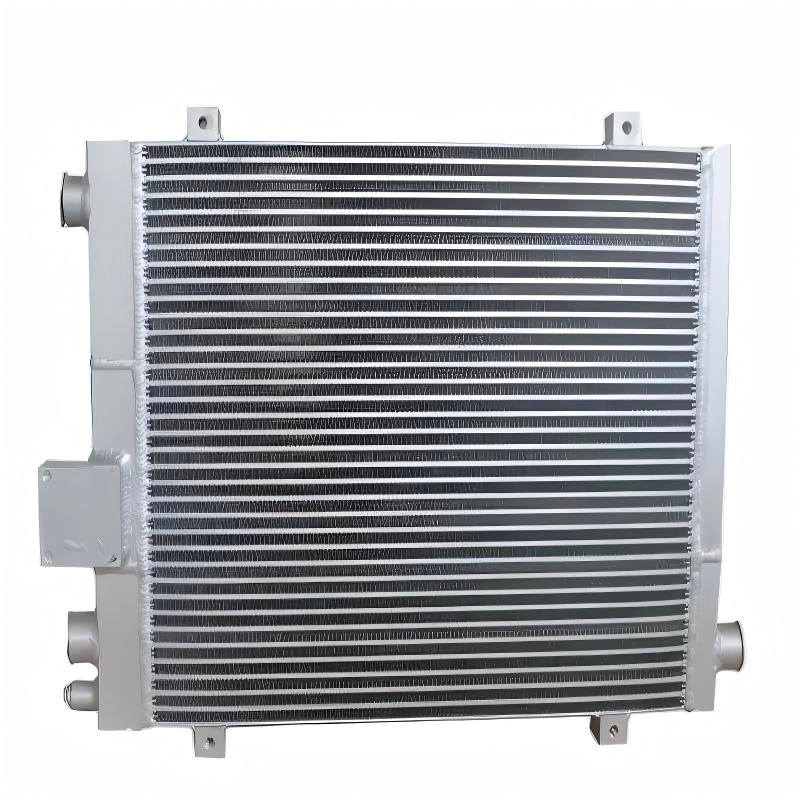
Radiator Core Replacement: How to Match the Right Core
Replacing a radiator core is not simply a matter of finding a part with a similar appearance. The new core needs to match the original radiator in size, internal structure, connection layout, and cooling requirements. Even small differences in core thickness, tube arrangement, or fin configuration can affect installation and heat dissipation performance.
For equipment owners, repair companies, distributors, and radiator suppliers, the most reliable way to handle a radiator core replacement is to confirm the application before ordering. Equipment model, OE number, core dimensions, drawings, and existing samples can all be used to identify or develop a suitable replacement.
This guide explains how to match a replacement radiator core, what measurements and technical details should be checked, when a standard core can be used, and when custom development may be required.
Can You Replace Only the Radiator Core?
Yes. In many radiator repair and rebuilding projects, the radiator core can be replaced without replacing the complete radiator assembly. If the tanks, side frames, mounting structure, and other reusable components remain in suitable condition, a new core can be installed to restore the heat exchange section of the radiator.
Radiator core replacement is commonly considered when the original core has severe corrosion, repeated leakage, blocked tubes, damaged fins, or reduced cooling performance that can no longer be corrected effectively through cleaning or minor repair.
Replacing only the core can also be useful for older machinery or equipment where a complete replacement radiator is difficult to source. In these cases, the original radiator structure can provide the dimensional and installation reference needed to match a new core.
The replacement core still needs to be correctly matched to the radiator assembly. Core height, width, thickness, tube layout, fin structure, and connection requirements should be confirmed before production or installation.
When Does Radiator Core Replacement Make Sense?
A radiator core does not always need to be replaced as soon as a cooling problem appears. Minor fin damage, surface contamination, or isolated issues may sometimes be addressed without replacing the complete core. Replacement becomes more practical when the core itself can no longer provide reliable heat transfer or sealing performance.
For older radiators, repeated repairs can also become less effective over time. If leakage continues to return or internal blockage significantly restricts coolant flow, installing a new core may provide a more stable solution than continuing to repair individual areas.
| Core Condition | When Replacement Should Be Considered |
|---|---|
| Repeated Leakage | Leaks return after previous repairs or appear in multiple areas of the core |
| Severe Corrosion | Tubes, fins, or joints show extensive deterioration that affects structural reliability |
| Internal Blockage | Restricted coolant flow causes poor heat transfer or recurring overheating |
| Extensive Fin Damage | A large portion of the heat transfer surface is bent, crushed, or deteriorated |
| Reduced Cooling Performance | The radiator can no longer maintain suitable operating temperature under normal load |
| Older or Discontinued Equipment | A complete replacement radiator is unavailable, but the existing tanks and structure can still be reused |
The decision should therefore be based on the condition of the complete radiator assembly. If the surrounding components remain serviceable and the main problem is concentrated in the heat exchange section, a replacement radiator core can be a practical way to restore the cooling system without replacing the entire radiator.
Once replacement has been confirmed, the next step is not simply to order a core of similar size. Accurate matching of dimensions, tube and fin structure, and the original radiator configuration is essential before a new core is selected or produced.
What to Check Before Ordering a Replacement Radiator Core
Accurate matching is one of the most important parts of a radiator core replacement. Two cores may look similar from the outside but differ in thickness, tube layout, fin structure, or mounting requirements. These differences can affect both installation and cooling performance.
Before ordering a replacement core, the original radiator should be checked carefully and the main dimensions and structural details should be confirmed. When available, the equipment model and OE number can help narrow down the correct specification, but physical measurements are still useful when dealing with older, modified, or discontinued equipment.

Core Height, Width and Thickness
The first step is to confirm the overall core dimensions. Height and width determine whether the core will fit the existing radiator frame, while thickness affects both installation space and heat exchange capacity.
Measurements should be taken from the actual heat exchange section rather than from the complete radiator assembly. If the original core has been repaired or modified previously, drawings or an undamaged sample can provide an additional reference.
Tube and Fin Configuration
Core dimensions alone are not enough to identify a suitable replacement. Tube arrangement and fin structure also influence coolant flow, airflow resistance, and heat transfer performance.
A replacement core should therefore be matched as closely as possible to the original configuration unless a different design is being developed for a specific cooling requirement. Fin spacing is especially important for equipment operating in dusty or debris-heavy environments, where overly dense fins may restrict airflow as contamination builds up.
Mounting and Connection Details
The relationship between the core and the surrounding radiator structure also needs to be checked. Header position, tank connection areas, mounting points, and inlet or outlet layout can determine whether the new core can be assembled correctly with the existing radiator components.
For standard applications, these details may already be defined by the OE number or equipment model. For non-standard applications, photos, technical drawings, or an existing radiator sample can help confirm the required layout before production.
| Information to Check | Why It Matters |
|---|---|
| Core Height & Width | Determines basic fit within the radiator frame |
| Core Thickness | Affects installation space, airflow, and cooling capacity |
| Tube Arrangement | Influences coolant flow and heat transfer |
| Fin Structure | Affects heat dissipation and airflow resistance |
| Header and Connection Layout | Ensures compatibility with tanks and surrounding components |
| Equipment Model / OE Number | Helps identify the original radiator specification |
Confirming these details before ordering helps reduce fitment errors and makes it easier to determine whether an existing replacement radiator core can be used or a custom core needs to be developed.
How to Match a Radiator Core by Model, OE Number or Sample
There is more than one way to identify the correct core for a radiator core replacement. The best method depends on how much original product information is still available. For newer equipment, the model and OE number may be enough to confirm the specification. For older, modified, or discontinued radiators, dimensions, drawings, photos, or physical samples may be needed.
Matching by Equipment Model
The equipment model is often the first reference point when searching for a replacement radiator core. It helps narrow down the correct radiator family and can indicate the original cooling system configuration.
However, one equipment model may use different radiator versions depending on production year, engine configuration, market, or equipment specification. For this reason, model information should be combined with other details whenever possible.

Matching by OE Number
An OE number provides a more specific reference than the equipment model alone. When the original radiator or cooling component still has a readable part number, it can be used to identify the corresponding core specification more efficiently.
Before ordering, the OE number should still be checked against the actual radiator dimensions and application, especially if the equipment has previously been repaired or modified.
Matching from Drawings or Dimensions
When OE information is unavailable, technical drawings and confirmed measurements can be used to develop or identify a replacement core. Important dimensions usually include core height, width, thickness, header size, connection positions, and other assembly details.
This method is commonly used for industrial machinery, construction equipment, agricultural machines, and other applications where replacement parts are no longer easy to source.
Matching from an Existing Sample
An existing radiator core or complete radiator can also be used as a reference. The sample allows the core dimensions, tube arrangement, fin structure, headers, and connection layout to be checked directly.
Sample-based matching is particularly useful for discontinued equipment or non-standard cooling systems where no reliable drawing or OE information is available. The original sample should be inspected carefully because previous repairs, deformation, or corrosion may affect the measured dimensions.
| Matching Method | Best Used When |
|---|---|
| Equipment Model | The machine model and original cooling configuration are known |
| OE Number | The original radiator or part number is still available |
| Technical Drawing | Accurate dimensions and structural details have been documented |
| Measured Dimensions | The original product information is incomplete but the radiator can be measured |
| Existing Sample | The radiator is discontinued, non-standard, or difficult to identify |
Using more than one reference method can reduce matching errors. For example, an OE number can be checked against core dimensions, while a sample can be compared with drawings before a new core is produced.
When no standard product matches the original radiator, the confirmed information can also be used as the basis for developing a custom replacement core.
Standard vs Custom Radiator Core Replacement
Once the original radiator specification has been confirmed, the next step is to determine whether a standard replacement core can be used or whether a custom core needs to be developed. The correct choice depends on product availability, equipment age, original dimensions, and whether the cooling system has been modified.
When a Standard Replacement Core Is Suitable
A standard replacement radiator core is usually the most straightforward option when the original model, OE number, and dimensions can be matched to an existing specification. This is common for widely used vehicles and equipment where replacement parts remain available.
Before ordering, the replacement core should still be checked against the original dimensions and construction details. Similar-looking cores may use different thicknesses, tube layouts, or header configurations, so model or OE matching should not be treated as the only confirmation method.

When a Custom Replacement Core Is Needed
A custom radiator core replacement becomes useful when a standard product cannot match the original radiator or the cooling system has special requirements.
Common situations include discontinued equipment, older machinery, uncommon radiator sizes, modified cooling systems, and projects where the original core specification is no longer available.
- Original replacement core is discontinued or difficult to source
- Existing radiator uses non-standard dimensions
- Equipment has been modified from the original cooling configuration
- OE number or complete technical information is unavailable
- Installation space requires a specific core height, width, or thickness
- Operating conditions require changes to the original tube or fin configuration
For these projects, a new core can be developed from technical drawings, confirmed dimensions, photographs, or an existing sample. The goal is not simply to reproduce the external size, but to match the structural and cooling requirements of the original radiator as closely as possible.
| Replacement Option | Typical Situation | Information Required |
|---|---|---|
| Standard Replacement Core | Existing product specification is available | Model, OE number, and dimensional confirmation |
| Custom Replacement Core | Discontinued, modified, or non-standard radiator | Drawings, dimensions, sample, photos, or application data |
Choosing between standard and custom replacement should therefore be based on how closely an available core matches the original radiator. When no suitable standard option is available, custom development can provide a practical route for restoring older or specialized cooling systems without redesigning the complete radiator assembly.
Common Radiator Core Matching Mistakes
Even when the original radiator is available for reference, matching errors can still occur if only one specification is checked. A replacement core needs to fit the radiator assembly and provide suitable cooling performance, so dimensions, structure, and application should be reviewed together.
One of the most common mistakes is selecting a core only by height and width. Two radiator cores can share similar external dimensions but use different thicknesses, tube arrangements, fin structures, or header designs.
Relying Only on the Equipment Model
An equipment model is useful for identifying the general radiator application, but it may not always confirm the exact core. Different production years, engine versions, or cooling system configurations can use different radiator specifications.
Whenever possible, the model should be checked together with the OE number, core dimensions, or original sample.
Ignoring Core Thickness
Core thickness is sometimes overlooked because height and width are easier to measure. However, thickness can affect installation clearance, airflow resistance, and heat exchange capacity.
A thicker core is not automatically a better replacement. If the surrounding fan, shroud, frame, or other components were designed around a specific thickness, changing this dimension may create fitment or airflow problems.
Matching Size but Not Tube and Fin Structure
External dimensions alone do not define radiator performance. Tube configuration affects coolant flow, while fin structure influences airflow and heat dissipation.
Replacing the original core with a different internal design without considering the operating conditions may change the cooling characteristics of the radiator, even when the new core fits physically.
Using Measurements from a Damaged Core Without Verification
Older radiator cores may be bent, corroded, repaired, or previously modified. Measurements taken from a damaged sample should therefore be checked carefully before they are used for production.
When possible, measurements should be compared with OE information, drawings, radiator frame dimensions, or other reference points to confirm the original specification.
| Common Mistake | Possible Result |
|---|---|
| Matching only by equipment model | Wrong radiator version or core specification |
| Checking only height and width | Incorrect thickness or structural configuration |
| Ignoring tube and fin design | Different airflow, coolant flow, or cooling performance |
| Using inaccurate sample dimensions | Fitment problems during radiator assembly |
| Assuming a thicker core is always better | Clearance or airflow problems in the existing cooling system |
A successful radiator core replacement therefore depends on confirming the complete specification rather than finding a core that simply looks similar. Accurate matching before ordering can reduce rework, installation problems, and unnecessary replacement costs.
What Information Should You Send to a Radiator Core Supplier?
Providing complete and accurate information can make a radiator core replacement project much easier to confirm. The more details available at the beginning, the easier it is to identify an existing replacement core or determine whether a custom core needs to be developed.
For standard replacement applications, the equipment model and OE number are often the fastest way to begin matching. However, these references should ideally be supported by physical dimensions or photos, especially when the radiator has been repaired, modified, or used on older equipment.
| Information | How It Helps |
|---|---|
| Equipment Model | Identifies the general radiator application and equipment series |
| OE / Part Number | Helps locate the original radiator or core specification |
| Core Height, Width & Thickness | Confirms the main installation dimensions |
| Photos | Shows the overall radiator structure, headers, connections, and mounting details |
| Technical Drawing | Provides accurate dimensions and structural information for matching or development |
| Existing Sample | Allows direct inspection of tube, fin, header, and construction details |
| Application Conditions | Helps confirm whether the original core design remains suitable for the equipment |
When sending photos, it is useful to include both the complete radiator and close-up images of the core, headers, mounting points, and any visible identification labels. A clear photo with a measuring tool beside the core can also help confirm dimensions.
For older or discontinued products, drawings and samples become more important because OE information may no longer be available. In these cases, the original radiator can be used as the main reference for developing an aluminum replacement radiator core with suitable dimensions and structural details.
Providing several reference points together, such as model information, OE number, dimensions, and photos, can significantly reduce the risk of ordering the wrong core and shorten the specification confirmation process.
How to Confirm a Replacement Core Before Ordering
Before placing an order, the replacement core specification should be checked against the original radiator and the actual equipment application. This final confirmation step is especially important for older machinery, repaired radiators, and products where several similar core versions may exist.
The goal is to confirm not only that the new core fits physically, but also that its structure is suitable for the intended cooling system.
Compare the Replacement Core with the Original Specification
Start by comparing the main dimensions, including core height, width, thickness, header dimensions, and connection positions. If an OE number or technical drawing is available, these references should be checked together with the measured dimensions.
For a radiator core replacement, small dimensional differences can affect tank assembly, frame alignment, or installation clearance, so any uncertainty should be resolved before production or shipment.

Confirm the Core Structure
Tube arrangement, fin spacing, and core thickness should also be reviewed. A core with the correct external size may still differ internally from the original radiator.
For construction machinery, agricultural equipment, trucks, and other heavy-duty applications, the operating environment should be considered as well. Dust, debris, continuous load, and limited airflow can all influence the most suitable fin and tube configuration.
Check Drawings or Samples for Custom Replacement Projects
When a standard replacement core is unavailable, a drawing or sample should be confirmed before regular production. Critical dimensions, connection locations, and structural details can be marked on the drawing so that both the supplier and customer are working from the same specification.
For sample-based development, any previous repair, deformation, or corrosion should also be identified so that damaged features are not unintentionally copied into the new core.
Verify Quality Before Shipment
Depending on the radiator core design and application, final verification may include dimensional inspection, visual inspection, pressure testing, and leak testing. These checks help confirm that the finished core meets the agreed specification before it is used for radiator rebuilding or replacement.
- Confirm core height, width, and thickness
- Check header and connection dimensions
- Verify tube and fin configuration
- Compare OE information, drawings, or samples
- Confirm any custom design changes
- Review pressure and leak testing requirements
A careful confirmation process helps reduce fitment problems and makes it easier to move from identification to a reliable replacement radiator core. This is particularly important when sourcing cores for discontinued, non-standard, or specialized equipment.
Frequently Asked Questions About Radiator Core Replacement
Can I replace only the radiator core instead of the complete radiator?
Yes. If the radiator tanks, frame, mounting structure, and other reusable components remain in good condition, only the damaged or inefficient core may need to be replaced. The new core must still match the original radiator dimensions, header layout, tube configuration, and cooling requirements.
How do I know which replacement radiator core I need?
The most reliable way is to confirm several references together, including the equipment or vehicle model, OE number, core height, width, thickness, and existing radiator structure. Technical drawings, photos, or a physical sample can also be used when the original specification is unavailable.
Can a radiator core be matched by OE number?
Yes. An OE or part number can provide an important reference for identifying the original radiator specification. However, dimensions and application details should still be confirmed because similar equipment models may use different radiator versions.
What radiator core dimensions should be measured before ordering?
Core height, width, and thickness are the main dimensions to confirm. Depending on the radiator design, header dimensions, connection positions, tube arrangement, fin structure, and other assembly details may also need to be checked.
Can a replacement radiator core be made from an existing sample?
Yes. An existing radiator core or complete radiator can be used as a reference when drawings or OE information are unavailable. The sample can help confirm dimensions, tube and fin configuration, headers, and structural details before a replacement core is produced.
What if the original radiator core has been discontinued?
A custom replacement core can be developed when the original product is discontinued or difficult to source. Drawings, confirmed dimensions, photographs, OE information, or an existing sample can be used as the basis for development.
Is a thicker radiator core always better for cooling?
No. Increasing core thickness can affect airflow resistance, installation clearance, and the balance of the complete cooling system. A suitable replacement should match the original radiator design and operating conditions rather than simply using the thickest available core.
Can aluminum radiator cores be used for replacement applications?
Yes. Aluminum radiator cores are widely used in automotive, construction machinery, agricultural equipment, trucks, and industrial cooling applications. Their suitability depends on the required core design, dimensions, cooling medium, and operating conditions.
Where can I buy a replacement radiator core?
Replacement radiator cores can be sourced from manufacturers and suppliers that support model matching, OE identification, dimensional confirmation, and custom development. For applications where standard cores are unavailable, working with an experienced industrial radiator core supplier can help confirm or develop a suitable replacement based on the original radiator specification.