How to Extend the Service Life of Construction Machinery Radiators
Construction machinery often operates in dusty, high-temperature, and heavy-load environments where cooling system reliability directly affects equipment uptime. Excavators, loaders, bulldozers, mining equipment, and other heavy-duty machines rely on stable radiator performance to maintain safe operating temperature during continuous operation.
If radiator efficiency begins to decline, overheating can quickly lead to hydraulic system stress, reduced working efficiency, unexpected shutdowns, and expensive repairs. Proper maintenance and the right radiator design can significantly extend service life while improving long-term operating reliability.
Why Radiator Lifespan Matters in Construction Machinery
A construction machinery radiator is responsible for removing engine heat and maintaining stable cooling performance under demanding operating conditions.
Unlike passenger vehicles, heavy equipment often works in environments with continuous vibration, airborne dust, mud, and high thermal load. These conditions place much higher stress on cooling systems and radiator structure.
If cooling efficiency drops, machines may experience:
- Engine overheating
- Hydraulic system temperature increase
- Reduced fuel efficiency
- Power loss under heavy load
- Unexpected equipment shutdowns
- Higher maintenance and repair costs
Proper radiator maintenance helps reduce cooling system failure while improving equipment stability and long-term durability.
1. Clean Dust and Debris Regularly
Construction sites contain dust, mud, sand, oil residue, and debris that can gradually block airflow through radiator fins. Restricted airflow reduces heat dissipation efficiency and increases coolant temperature during operation.
Machines operating in mining, quarry, and earthmoving environments often require more frequent radiator cleaning because airborne particles can quickly accumulate on the cooling surface.
Best Practice
- Use low-pressure compressed air to clean radiator fins
- Remove mud and debris after daily operation
- Clean surrounding cooling components and ventilation areas
- Inspect airflow paths for blockage
Avoid using high-pressure water directly on aluminum fins, as excessive pressure may bend the fin structure and reduce airflow efficiency.
Regular radiator cleaning is one of the most effective ways to prevent overheating and extend radiator service life.
2. Check Coolant Levels and Coolant Quality
Low coolant level or contaminated coolant can gradually damage the radiator and engine cooling system. Rust particles, mineral deposits, and oil contamination may block internal flow channels and reduce heat transfer performance.
Using water alone instead of proper coolant may also accelerate internal corrosion and shorten radiator lifespan.
Best Practice
- Inspect coolant level before operation
- Use the correct coolant type recommended for heavy equipment
- Replace old coolant according to maintenance schedule
- Check for rust, discoloration, or oil contamination
- Inspect coolant circulation performance
Clean coolant helps maintain internal cooling efficiency while reducing corrosion inside the radiator core.
3. Inspect for Leaks Before They Become Serious
Small coolant leaks can quickly develop into major cooling system failures if ignored. In heavy-duty construction machinery, vibration and thermal stress may gradually loosen hose connections or weaken welded areas.
Check For
- Wet spots near hose joints or tanks
- Coolant odor around the machine
- Visible cracks or damaged fins
- Pressure loss during operation
- Frequent coolant refill requirements
Repairing small leaks early helps reduce downtime and prevents more serious engine overheating problems.
Radiators operating under continuous high-load conditions should be inspected regularly for leakage and structural fatigue.
4. Protect Against Vibration Damage
Excavators, bulldozers, loaders, and mining equipment generate constant vibration during operation. Over time, vibration can loosen mounting brackets, damage supports, and create stress around welded connections.
Continuous vibration may eventually cause cracking, coolant leakage, or radiator structural failure.
Best Practice
- Inspect radiator mounting bolts regularly
- Replace worn rubber supports
- Check frame alignment and vibration points
- Tighten loose hardware during maintenance
A stable radiator installation helps reduce vibration fatigue and improves long-term cooling system durability.
5. Use High-Quality Replacement Radiators
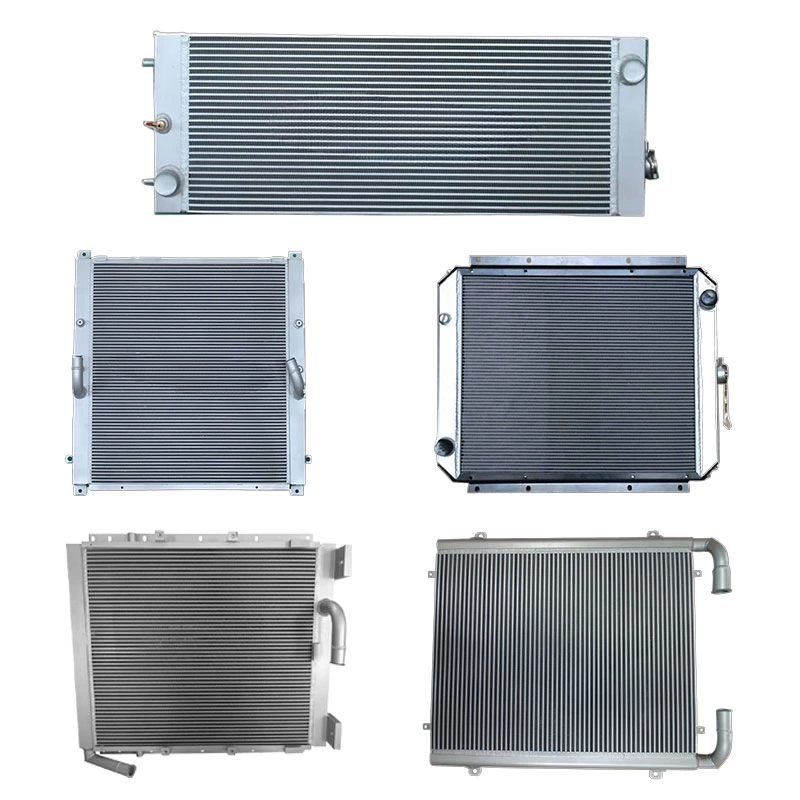
Low-quality replacement radiators may fail quickly in dusty, high-temperature, and continuous-duty environments. Weak brazing quality, poor airflow design, or insufficient structural strength can reduce cooling efficiency and shorten service life.
Professional radiator manufacturers usually provide better material quality, stronger brazed aluminum structure, and more stable cooling performance under demanding operating conditions.
Choose Products With
- High-efficiency aluminum radiator core
- Pressure-tested cooling structure
- Strong brazing or welding quality
- OEM fitment accuracy
- Durable tanks and mounting brackets
- Stable airflow and heat dissipation performance
Choosing a reliable construction machinery radiator supplier helps reduce procurement risk and long-term maintenance cost.
6. Monitor Operating Temperature Continuously
Abnormal operating temperature is often an early sign of cooling system problems. If machine temperature rises higher than normal, the radiator may require cleaning, inspection, or replacement.
Ignoring overheating can increase thermal stress on the engine, hydraulic system, and cooling components.
Common Warning Signs
- Frequent overheating alarms
- Reduced fan performance
- Coolant loss
- Steam or smoke near the radiator
- Power loss during heavy operation
Early inspection and maintenance can prevent major cooling system failures and reduce equipment downtime.
Common Mistakes That Shorten Radiator Lifespan
Many radiator failures are related to improper maintenance rather than product defects.
- Using plain water instead of coolant
- Cleaning fins with excessive pressure
- Ignoring minor coolant leakage
- Operating equipment under continuous overheating
- Failing to remove mud and debris buildup
- Ignoring airflow blockage around the radiator
Avoiding these common mistakes can significantly improve cooling system reliability and extend radiator service life.
Why Aluminum Radiators Are Widely Used in Construction Machinery
Modern heavy equipment commonly uses aluminum radiators because they provide efficient heat transfer, lightweight construction, and strong corrosion resistance.
- High heat dissipation efficiency
- Good airflow performance
- Reduced overall equipment weight
- Strong resistance to corrosion and vibration
- Suitable for heavy-duty and continuous operation
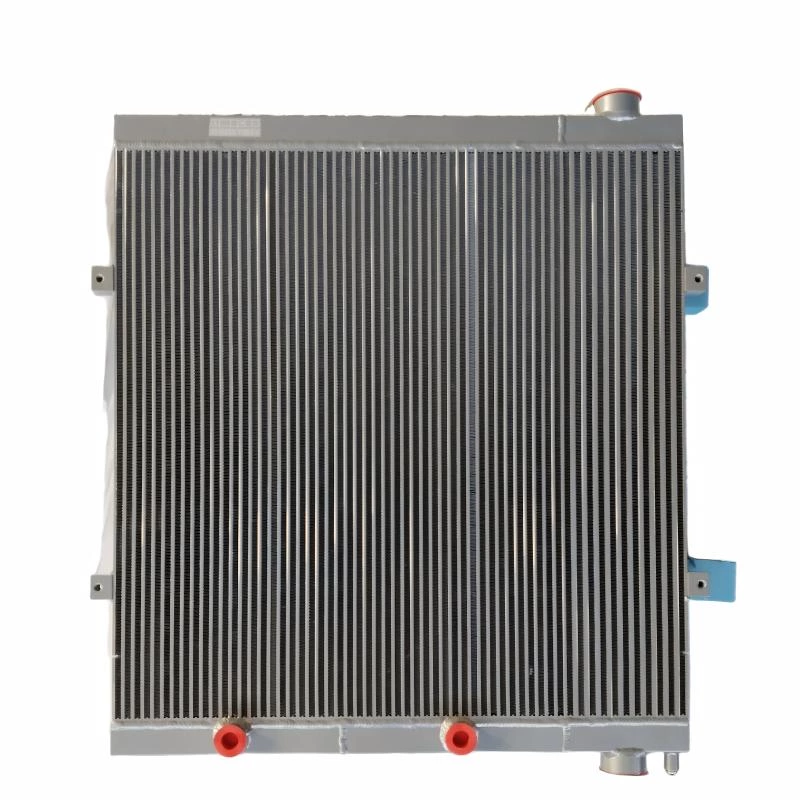
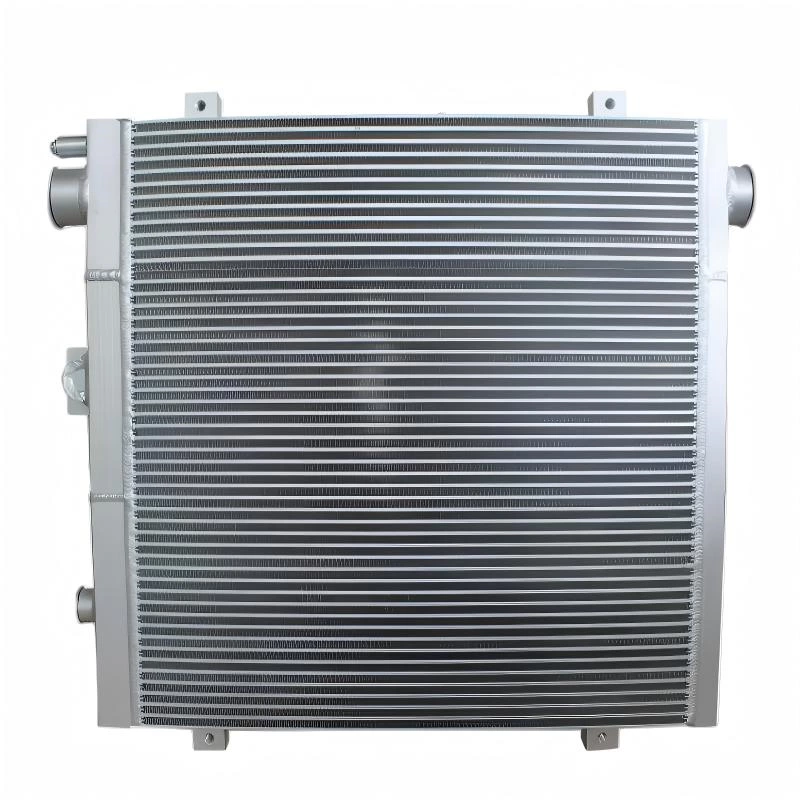
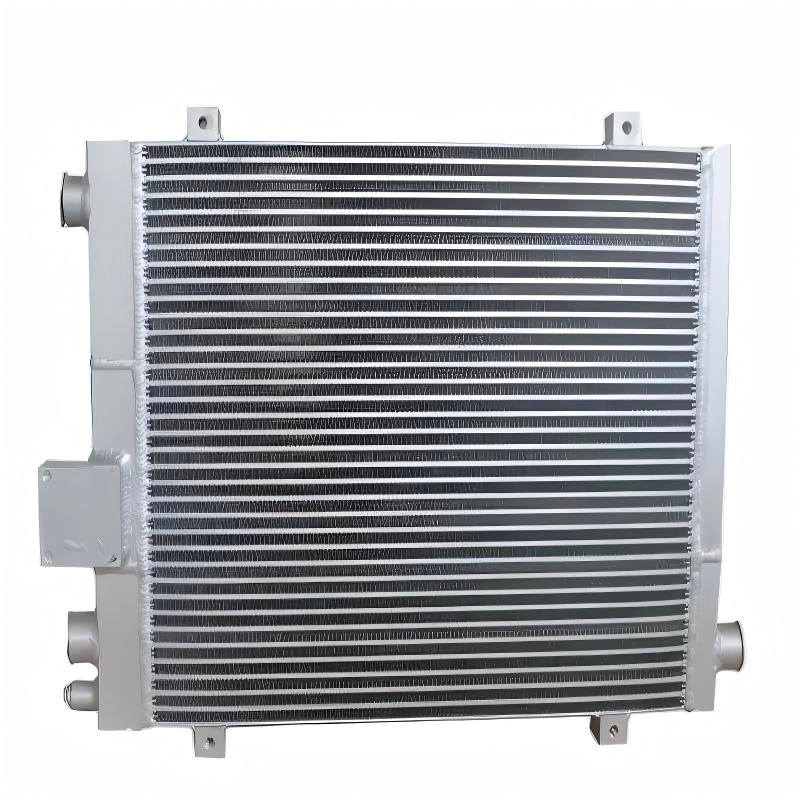
Aluminum plate-fin radiator structures are widely used in excavators, loaders, bulldozers, mining equipment, and industrial cooling systems where thermal stability is critical.
Industries That Benefit from Reliable Radiators
Heavy-duty cooling systems are widely used in:
- Excavators
- Wheel loaders
- Bulldozers
- Mining equipment
- Agricultural machinery
- Road construction equipment
- Hydraulic machinery systems
FAQ
How often should construction machinery radiators be cleaned?
Cleaning frequency depends on the operating environment. Equipment working in dusty or mining conditions usually requires more frequent radiator cleaning.
What causes excavator radiators to fail?
Common causes include blocked airflow, coolant contamination, overheating, vibration fatigue, corrosion, and poor maintenance.
Can overheating damage a radiator?
Yes. Continuous overheating increases thermal stress, weakens welded areas, and reduces cooling system lifespan.
Why is coolant important for heavy equipment radiators?
Proper coolant helps improve heat transfer while reducing internal corrosion and contamination inside the radiator system.
How do I know if a radiator is clogged?
Signs include rising coolant temperature, poor airflow, overheating under load, coolant circulation problems, and visible debris buildup on radiator fins.
Final Thoughts
A construction machinery radiator plays a critical role in equipment uptime, thermal stability, and long-term operating reliability. Regular cleaning, coolant maintenance, leak inspection, and proper airflow management are essential for extending radiator service life.
For excavators and heavy equipment operating under harsh conditions, choosing a durable radiator from a professional manufacturer can significantly reduce downtime and long-term maintenance costs.
Need reliable cooling solutions for heavy equipment?
Our aluminum construction machinery radiators are designed for excavators, loaders, bulldozers, and industrial machinery operating in demanding environments.Welcome to contact us